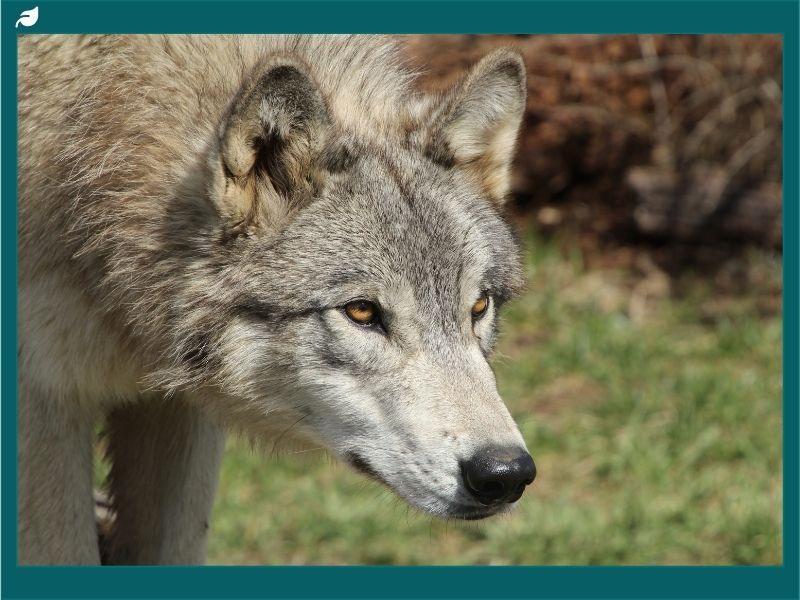
Gray wolves are making a comeback, and Illinois could soon see these animals return. With the right management and conservation efforts, wolves may reestablish themselves in the state. This change brings both challenges and opportunities. It’s important for conservationists, communities, and policymakers to plan ahead. Wolves can affect local ecosystems, from prey populations to overall biodiversity. Learning about these changes will help Illinois prepare to welcome wolves in a responsible and sustainable way.
Understanding the Return of Gray Wolves
The possible return of gray wolves to Illinois marks a big change for the state’s wildlife. These animals once lived here in large numbers before nearly disappearing. As more people talk about their return, it’s important to understand their history and the role they play in nature. Wolves are already being watched near the Wisconsin border and in southern Illinois, which is exciting for conservationists and wildlife fans. Looking at their past and their impact on the environment helps us see how wolves might shape local ecosystems and biodiversity.
History of Gray Wolves in Illinois
The history of gray wolves in Illinois is a testament to the broader narrative of these resilient canids in North America. Historically, Illinois was home to the gray wolf, an apex predator integral to the ecosystem’s balance. However, by the early 1900s, hunting and habitat destruction led to their local extinction. Known colloquially as Illinois wolves, their absence lasted decades until sightings near the Wisconsin border in recent years sparked interest in their potential resurgence.
This history reflects the challenges gray wolves face as they attempt to reclaim their territory. Various legislation over the years has either hindered or facilitated efforts toward reintroduction and conservation. The listing and delisting of gray wolf populations as endangered have had profound impacts on strategies for establishing breeding populations and managing wolf packs.
Studying this history showcases not only past obstacles but also the potential pathways for a thriving Illinois wolf population in the future.
How Gray Wolves Impact Local Ecosystems
Gray wolves play an important role in the environment and can have a big impact on Illinois’s wildlife and habitats. If they return, they could change local ecosystems in many ways. Wolves help control prey animals like white-tailed deer, which affects plants and other animals that depend on those plants. As top predators, they help keep nature in balance.
While there are concerns about how many wolves the land can support, the benefits often outweigh the challenges. Wolves can boost biodiversity by helping plants grow, which supports more small mammals and birds. They can also reduce problems between people and deer, like car accidents and crop damage.
Wolves interact with other animals, such as coyotes, which can lead to more changes in the ecosystem. Learning about these effects helps us make better decisions about how to welcome wolves back to Illinois.
Recognizing Wolf Tracks and Behavior
Learning to spot wolf tracks and understand their behavior helps people observe and protect these animals safely as they return to Illinois. Wolf tracks are unique but can be mistaken for those of coyotes. Knowing the differences helps us learn more about wolves and prepares communities to live alongside them.
Following safety guidelines when watching wolves also protects both people and wildlife. This is especially important in places like southern Illinois, where wolves may settle and affect local ecosystems.
Differences Between Wolf and Coyote Tracks
Telling the difference between wolf and coyote tracks is important for tracking wildlife. Wolf tracks are usually bigger, about four to five inches long, while coyote tracks are around two and a half inches. Wolves have broader, more even prints, and you can often see more claw marks. These differences reflect how each animal moves and their size.
Knowing how to identify tracks helps conservationists and residents keep track of where wolves and coyotes are, especially in southern Illinois where their territories may overlap. Watching these patterns helps scientists manage wildlife and support peaceful coexistence.
Guidelines for Safely Observing Wolves
To watch wolves safely, it’s important to be respectful and careful for the safety of both people and animals. In Illinois, where wolves may return, following good practices matters. Always keep a safe distance, using binoculars or scopes to avoid disturbing them.
Never feed or try to tame wolves, as this can change their natural behavior and cause problems. Be aware of your surroundings, especially in southern Illinois where wolves might settle. Joining guided tours or talking with local wildlife experts can help you learn the best ways to observe wolves.
Public education and following safety tips help people and wolves live together and keep Illinois’s wildlife healthy.
| Track Characteristics | Behavior Patterns | Safety Guidelines |
| Wider and larger footprints | Packs travel together | Maintain distance |
| Straight-line walking | Territorial marking | Do not approach |
| Larger paw pads | Nocturnal activity | Stay in groups |
| Claw marks visible | Communicate via howls | Carry deterrents |
This table enhances understanding by clearly delineating the differences in track characteristics and behavioral patterns between wolves and similar species like coyotes. It also succinctly outlines safety guidelines for observing these animals, enabling safer human-wildlife interactions and fostering effective coexistence strategies.
Reporting Sightings and Other Key Data
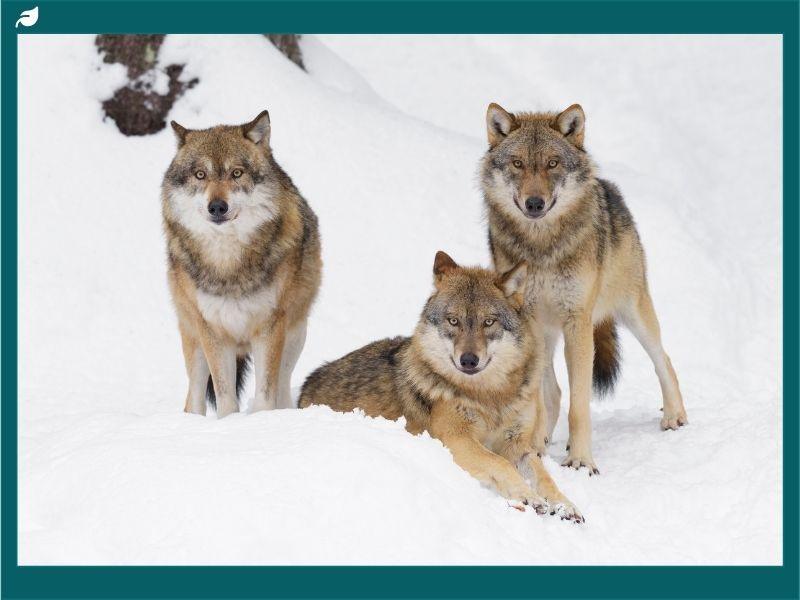
As wolves return to Illinois, it’s important to collect good information about where they are seen and how they interact with people and other animals. Reporting sightings helps experts track and manage wolf populations. County wildlife managers use this data to guide conservation work.
Knowing how to report sightings and what managers do helps make sure wolves are welcomed safely and responsibly. Working together in this way supports biodiversity, protects endangered species, and helps people and wildlife live together peacefully.
How to Report Wolf Sightings in Illinois
Reporting wolf sightings accurately in Illinois is important for protecting wildlife. If you see a wolf, let the Illinois Department of Natural Resources or your local wildlife officials know. Include the date, time, and exact location, using GPS if you can.
Describe the animal’s size, color, and any unique features. If it’s safe, take photos or videos to help with identification. This information helps experts understand where wolves live and how they behave, which supports efforts to protect them.
Public awareness and community involvement make a big difference in conservation. By sharing what you see, you help keep Illinois’s wildlife healthy for the future.
Essential Tips for Detailed and Effective Wolf Sightings Reports:
- Always note the exact date, time, and location of the sighting.
- Use GPS coordinates for precise location reporting whenever possible.
- Include a detailed description of the wolf, noting unique features.
- Capture photos or videos safely to assist with identification.
- Report your sighting promptly to local wildlife authorities or the IDNR.
- Engage with local conservation campaigns to stay informed on reporting protocols.
- Educate your community about the importance of accurate wildlife reporting.
Following these tips will make your reports more helpful for wolf conservation.
Understanding the Role of County Wildlife Managers
County wildlife managers in Illinois play a key role in managing wolves and other animals. They review sighting reports, track populations, and study how wolves affect local ecosystems. These managers work with state and national groups to make sure conservation plans are effective and follow the rules.
They also teach the public how to live safely with wolves and help prevent conflicts. By looking at data from sightings and habitats, managers can make smart decisions about where to focus their efforts. Their work helps protect both wolves and other wildlife, keeping nature in balance while also considering the needs of farmers and hunters.
County wildlife managers are essential for making sure the return of wolves benefits Illinois’s environment and communities.
As Illinois prepares for the return of wolves, it’s important for communities to stay informed and ready. Working together with scientists, wildlife agencies, and local residents can help people and wolves live together peacefully.
Teaching the public about wolf behavior helps clear up misunderstandings and supports good adaptation strategies. Learning from other states with wolf populations can help Illinois create strong management plans. By taking these steps, Illinois can enjoy the benefits of greater biodiversity while keeping people safe and protecting their interests.