Ocean birds come in many shapes and sizes, and they are vital to the health of marine ecosystems. From the huge wingspans of albatrosses to the quick movements of puffins, these seabirds have found ways to survive far from land.
Learning about their habits, migrations, and the challenges they face helps us understand why protecting them matters. Seabirds also tell us a lot about the condition of our oceans, showing how everything in nature is connected.
By studying ocean birds, we gain a better sense of both the strength and fragility of our seas.

The Diverse Types of Ocean Birds
Ocean birds, or seabirds, are a remarkable group of wildlife, exhibiting adaptations that allow them to thrive in the challenging marine environment. Seabirds are a fascinating group of animals, each with special traits that help them survive in tough ocean conditions.
They travel long distances across the sea and help keep the environment balanced. Whether it’s the albatross gliding on wide wings or the strong great black-backed gull, every seabird adds something unique to ocean life.
By learning about them, we discover just how important and varied these birds are. With their extensive wingspans, some reaching up to 12 feet, these birds are masters of sustained flight, using the wind to glide effortlessly over the sea.
This efficiency is critical for a species that spends the majority of its life far from shore, returning to land only for breeding. The albatross’s specialized bill, equipped with a sharp hook, is perfectly designed for capturing their prey, which includes squid and fish.
Their ability to listen and respond to ocean sounds aids in location and navigation across vast marine expanses, making them adept hunters in their natural environment.
In the context of marine life, the albatross plays an ecological role that cannot be understated. By contributing to nutrient cycling through their feeding and breeding behaviors, these birds help maintain the ocean’s healthy balance.
Interestingly, albatrosses are known for their impressive fidelity to mates and nesting sites, often returning to the same location throughout their lives. This behavior underscores the significance of preserving their natural habitats, as disruption could impact not only the albatross but the entire marine ecosystem.
Protecting albatrosses is important because many species face threats like getting caught in fishing gear and changes in their environment. Conservation groups work to solve these problems by encouraging better fishing methods and guarding nesting areas.
Teaching people about albatrosses and supporting global efforts can help these birds survive. The albatross reminds us how carefully balanced ocean life is.
Consider exploring additional intriguing aspects about the albatross to deepen our appreciation for this remarkable seabird:
- Albatross pairs perform intricate courtship dances to strengthen lifelong bonds.
- Some species can sleep while flying, conserving energy over long distances.
- Albatrosses can travel thousands of miles without ever flapping their wings.
- They possess unique salt glands to excrete excess salt from ocean water intake.
- Nesting sites are often remote islands, protecting them from many predators.
- Young albatrosses learn survival by following experienced adults on ocean voyages.
- Aging albatrosses remain agile flyers even in challenging weather conditions.
Understanding these aspects enriches our knowledge of the albatross’s extraordinary adaptations and contributions to marine ecosystems.

The Role of the Great Black-backed Species
The great black-backed seabird, distinguished by its robust size and striking plumage, stands out among the coastal wildlife. Found predominantly along the North Atlantic shores, this species is known for its territorial nature and adaptability to diverse environments, from rugged coastlines to bustling urban areas.
Its presence is a testament to the resilience and versatility inherent in marine birds. With a wingspan that rivals other large seabirds, the great black-backed can easily be identified as they patrol their shores in search of food.
These seabirds are influential predators within their ecosystem, impacting the populations of other species. Their diet is varied, encompassing fish, smaller seabirds, and even carrion, thus playing a role in controlling prey populations and maintaining ecological balance.
During the breeding season, they exhibit strong protective behaviors, fiercely safeguarding their nests from potential threats. This behavior is critical not only for their survival but also for maintaining the overall health and diversity of marine life.
Furthermore, the great black-backed species is an indicator of environmental changes, with shifts in their breeding patterns and migration habits often pointing to broader ecological impacts, such as climate change and pollution. Efforts to support these seabirds through conservation strategies are essential.
This includes protecting their natural habitats from human interference and mitigating the effects of coastal development, which can lead to habitat loss and increased competition for resources.
Given their importance, comprehensive studies on the great black-backed species can offer valuable insights into the challenges facing seabirds and the broader implications for marine environments. By fostering greater awareness and implementing proactive measures to safeguard these and other ocean birds, we can help preserve the delicate interplay of life along the world’s coasts.
Through collective efforts, these remarkable creatures can continue to thrive, enriching the biodiversity of our oceanic ecosystems.
Understanding Marine Bird Adaptations
Seabirds are a vital component of marine ecosystems, equipped with unique adaptations that allow them to survive and flourish in oceanic environments. These adaptations, refined through millennia, showcase the incredible resilience of these birds in the face of diverse challenges.
From their physiological traits to behavioral habits, each adaptation plays a critical role in sustaining their way of life. In exploring how seabirds such as the Mediterranean Gull utilize these adaptations, we gain an appreciation of their integral part in marine biology and their significant interactions within the intricate web of oceanic life.
How Seabirds Thrive in Ocean Environments
Seabirds have developed many special traits that help them survive in tough ocean conditions. Their feathers are packed tightly and covered in waterproof oils, which keep them dry and warm while they search for food.
Different species have different bills, each shaped for their favorite foods—some are long and thin for digging, while others are strong and hooked for catching fish. Many seabirds have fast metabolisms to handle long flights over the sea.
They also have glands above their eyes that remove extra salt from their bodies, which is important since they drink seawater. Seabirds like the albatross can glide for long distances without using much energy.
Many nest in large groups on remote islands, which helps protect them from predators. They time their breeding so chicks hatch when food is most available.
All these adaptations help seabirds play a key role in ocean life, from spreading nutrients to being food for other animals. Learning about these traits shows why seabirds are so important and why we need to protect them.
The Life of the Mediterranean Gull
The Mediterranean Gull is a striking bird found along Europe’s coasts. Its life shows how seabirds adapt to many different places. With a black hood and white feathers during breeding season, these gulls stand out against the sea.
They eat a wide variety of foods, from fish and shellfish to insects and grains, which helps them survive when food sources change. Their strong, curved bills let them handle tough prey. Mediterranean Gulls nest in large groups, often with other seabirds, which helps protect them from danger and bad weather.
They return to the same nesting spots each year, showing how important stable habitats are. These gulls travel long distances between breeding and winter homes, using their strong wings and good navigation skills. Their journeys depend on climate and food, and changes in their numbers can signal problems in the environment, like pollution or climate change.
Protecting their nesting sites and keeping pollution in check helps these gulls thrive. Studying the Mediterranean Gull teaches us about the balance of life in the ocean and why it’s important to care for these birds and their habitats.
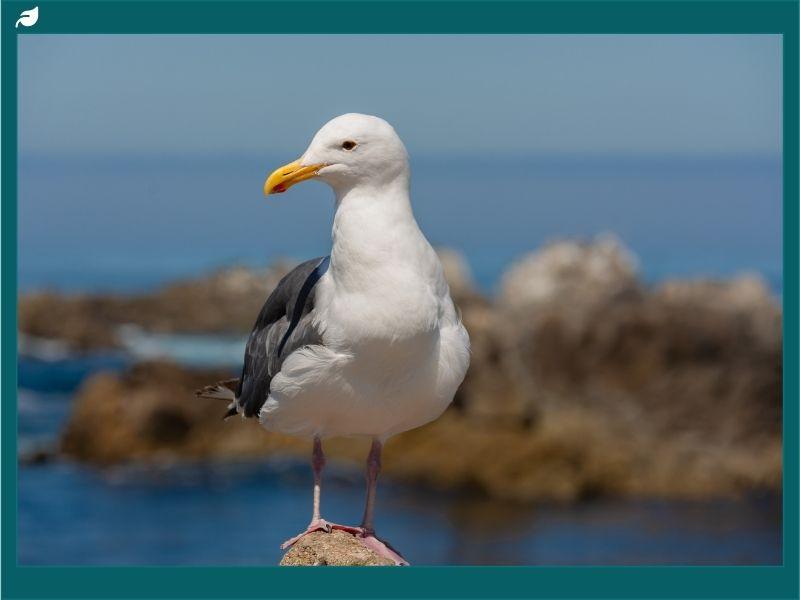
The Impact of Beaches on Sea Birds
Beaches serve as crucial habitats for a variety of sea birds, playing a significant role in their lifecycle. The dynamic nature of coastlines affects the breeding, feeding, and resting behaviors of these avian species.
Human activities and natural processes on beaches, such as tourism and erosion, increasingly impact sea bird populations. The interplay between beaches and sea birds underscores the necessity for targeted conservation efforts.
These efforts aim to mitigate adverse effects while maintaining the ecological balance. This section delves into the connection between beach conservation and its impact on wildlife, particularly sea birds, emphasizing the importance of sustainable practices.
| Key Areas of Impact | Conservation Strategies | Challenges | Stakeholders Involved |
| Habitat Loss | Coastal habitat restoration | Coastal development pressures | Environmental NGOs |
| Pollution | Beach clean-up initiatives | Marine debris accumulation | Local communities |
| Disturbance from Human Activity | Creating protected areas | Tourist foot traffic | Government agencies |
| Climate Change | Climate resilience planning | Rising sea levels | Scientific researchers |
The table outlines the strategies used to mitigate impacts on sea birds due to coastal activities and natural changes, stressing the need for a unified approach involving key stakeholders.
Beach Conservation and Its Effect on Wildlife
Protecting beaches is key to helping the many animals that live along the coast, especially sea birds. Conservation projects often focus on restoring dunes and keeping nesting sites safe, which is important for birds like plovers, terns, and oystercatchers.
As people use beaches more, the balance of these habitats can be upset. Limiting access, cutting down on pollution, and watching how beaches are used can help keep them healthy for wildlife. The number of sea birds is a good sign of how well these efforts are working.
Changes to the land, like building or erosion, can hurt bird populations by taking away places to nest and find food. Beaches are also important rest stops for birds that migrate long distances. Keeping these areas clean and safe helps birds survive their journeys.
Working together—governments, groups, and local people—makes conservation stronger. Teaching communities about the value of sea bird habitats can build support for these efforts. In the end, saving beaches helps both wildlife and people by keeping coastal environments healthy and resilient.
Exploring the diverse world of ocean birds highlights their critical role in marine ecosystems and the broader environment. Their migration patterns, feeding habits, and nesting behaviors influence oceanic health, impacting everything from fish populations to nutrient cycling.
Protecting these avian species is vital for maintaining ecological balance and supporting biodiversity. By appreciating the interconnectedness of ocean birds with their surroundings, we gain a deeper respect for natural habitats and the urgent need for conservation efforts.
Through awareness and action, we can ensure these remarkable species continue to thrive for generations to come.