Bears, majestic creatures that symbolize wilderness, are facing unprecedented threats across the globe. As human activities encroach on their habitats, the survival of several bear species hangs in the balance. This comprehensive guide delves into the status of bears worldwide, shedding light on which species are currently endangered and why. By exploring these challenges and conservation efforts, we aim to raise awareness and foster a deeper understanding of the measures required to protect these iconic animals. Join us as we uncover the plight of endangered bears and the urgent need for collective action.
Understanding the Term: Are Bears Truly Endangered?
The status of bears as endangered creatures often sparks heated debates within wildlife conservation circles. Many bear species, including grizzly bears and the iconic giant panda, appear on the IUCN Red List, marking them as threatened species requiring urgent conservation efforts. But what does labeling bears as endangered truly entail, and how does it affect bear conservation strategies globally? To unravel the complexities behind this status, it’s crucial first to understand the intricacies involved in classifying bear species as vulnerable or endangered and the implications of their habitats being degraded due to human activities and climate change.
What Does It Mean for a Species to Be Endangered?
Classifying a species as endangered indicates that it faces a very high risk of extinction in the wild. This status is assessed by organizations like the International Union for Conservation of Nature (IUCN), which maintains the Red List—a comprehensive inventory of the global conservation status of biological species. For bears, particularly certain endangered bears and vulnerable species, these assessments consider various factors such as population size, the extent of habitat loss, and threats from human activities. For instance, the IUCN bear assessments often highlight threats like deforestation, climate change, and illegal hunting as critical pressures driving bears towards extinction.
Being listed as an endangered species on the Red List is not just a label; it’s a call to action for international bear conservation agencies. Such classification signals the need for intensified protective measures to safeguard bear habitats, enhance legal protections, and foster sustainable coexistence between wildlife and human populations. Habitat conservation becomes paramount because the destruction and fragmentation of forests directly impact the survival chances of these bear species. Bear conservation endeavors must now focus on creating buffer zones, implementing anti-poaching regulations, and fostering community engagement in conservation efforts to mitigate human-wildlife conflict.
Moreover, some bear species fall into the “data deficient” category, meaning there’s insufficient information to assess their risk of extinction effectively. Data on these species must be diligently gathered to make informed conservation decisions. It’s a monumental task, one that involves the collaboration of international bodies, governments, and local communities, all undergird by a shared commitment to preserving the planet’s vulnerable wildlife. Navigating the complexities of what makes bears endangered underscores the necessity of these collaborative efforts. Such endeavors help ensure that current and future generations can appreciate the critical role bears play in their ecosystems.

Comprehensive List of Endangered Bears
The world of bears is in peril, with several species staring down the barrel of extinction. From grizzly bears to the lesser-known Andean and Asiatic black bears, the IUCN Red List classifies many as threatened, vulnerable, or endangered species. Understanding the status of these endangered bears requires delving into their habitat challenges, global conservation efforts, and the grim statistics that underscore their plight. We’ll explore how habitat degradation, climate change, and other human-induced threats impact these magnificent creatures, highlighting the urgent need for action to halt their decline.
The Status of Grizzly Bears
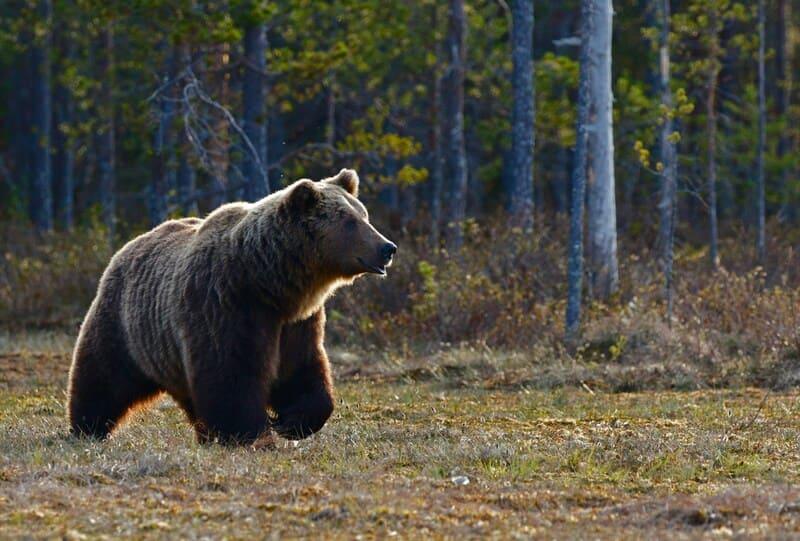
Grizzly bears, while known for their resilience and iconic status in North American ecosystems, face a precarious future. Once roaming vast swathes of the continent, grizzly populations have drastically diminished due to habitat loss and human conflict. Listed as a threatened species in the lower 48 states of the U.S., these bears endure the pressures of shrinking habitats which are often used for agriculture and urban development. The IUCN Red List marks grizzly bears as a species of concern, emphasizing the necessity of proactive measures to prevent further decline.
Conservationists argue that preserving the grizzly bear’s natural habitat is crucial. Protecting and restoring these areas can mitigate human-bear conflicts, which frequently lead to bear mortalities. Moreover, connectivity between habitats must be enhanced to promote genetic diversity and species resilience. Efforts to safeguard this apex predator involve complex balancing acts among wildlife managers, political entities, and local communities keen on fostering eco-friendly tourism without compromising ecological integrity. With the bears’ status entwined with broader environmental challenges, innovative, community-driven conservation strategies become essential to ensure their prolonged survival.
International cooperation is key, with protection spanning across borders in Canada, where grizzly bears are considered of less concern compared to their American counterparts. Such collaborative conservation underscores the need for shared biodiversity commitments to protect this remarkable species. As climate change continues to shift the ecological baselines, adaptive conservation responses are imperative, ranging from studying the effects of warming temperatures on hibernation cycles to devising transnational corridors that support population stability. Thus, the status of grizzly bears serves as a barometer for the broader health of the ecosystems they inhabit.
Andean Bears: A Vulnerable Species
Andean bears, also known as spectacled bears, inhabit the misty South American Andes, yet their existence is increasingly threatened. As the only bear species native to South America, they hold a unique ecological niche, but face vulnerabilities due to fragmented habitats and agricultural encroachment. Designated as a vulnerable species by the IUCN, these bears are emblematic of the wider struggles faced by species inhabiting biodiverse areas under siege from deforestation and illegal land use.
The rugged terrain of their habitat poses a significant obstacle to effective population monitoring, leading to assumptions rather than accurate assessments of population sizes. Moreover, these threatened species often fall victim to poaching and human-wildlife conflicts. Communities clearing forests to expand grazing lands inadvertently erode the natural habitats vital for the survival of Andean bears. This habitat destruction not only affects the bears but also disrupts the broader ecological balance, indicating why international conservation efforts must intensify allegiance to sustainable land management and local community engagement.
Prominent conservation strategies focus on engaging local communities to foster coexistence with these bears. Environmental education initiatives and sustainable livelihood programs aim to reduce human-bear conflict and promote conservation-friendly practices. Furthermore, the Andean bear’s presence in folklore and culture offers a powerful narrative to drive grassroots conservation awareness. The IUCN underscores that enhanced conservation efforts tailored to local conditions could yield significant benefits, not just for Andean bears, but for the ecological health of their entire habitat. Cross-border conservation partnerships in areas like the Tropical Andes serve as blueprints for collaborative efforts aimed at addressing these challenges holistically.
Asiatic Black Bears: Conservation Efforts
Asiatic black bears, frequently referred to as moon bears due to the crescent-shaped markings on their chest, are grappling with severe threats across their Asian habitats. Classified by the IUCN as vulnerable, these bears face significant challenges such as habitat fragmentation, illegal wildlife trade, and persistent human encroachment. South Asia and East Asia regions report alarming declines in their populations, driven by deforestation and expansive agricultural development displacing natural habitats.
Conservation efforts for Asiatic black bears focus on counteracting illegal logging activities and addressing poaching, crucially linked to both traditional medicine and the exotic pet trade. Wildlife conservationists emphasize the need for tighter enforcement of wildlife protection laws and broader public education campaigns to curtail demand for bear parts. Shelving the hunting for bile extraction requires systemic international action and increased political will to enforce existing wildlife protection statutes.
Despite the challenges, there are burgeoning conservation successes. Initiatives like protected area management and community-led conservation projects showcase how informed, localized action can yield positive outcomes. Improved habitat restoration and the establishment of designated wildlife corridors are instrumental in ensuring genetic diversity and safe passage for these bears between fragmented landscapes. Additionally, forming alliances with local communities fosters sustainable development that respects bear habitats while enhancing local economic prospects. Thus, the conservation efforts for Asiatic black bears highlight a crucial intersection of habitat preservation and community involvement, pointing toward an integrative path forward for endangered bears worldwide.
Highlighting Unique Conservation Needs
Bears are an iconic part of global wildlife, yet many species face severe threats that highlight unique conservation challenges. Effective bear conservation involves understanding their particular needs and the environments they inhabit. Focusing on endangered bears like the giant panda and polar bears provides insights into the broader impacts of human activity and climate change. Giant panda conservation success stories illustrate how collaborative efforts can reverse population declines, while polar bears underscore the urgent repercussions of climate shifts on fragile ecosystems.
Giant Panda: Bear Conservation Success Story
The giant panda’s remarkable recovery offers a compelling narrative in the annals of bear conservation success. Once a symbol of international wildlife conservation efforts due to its stark vulnerability, the giant panda was gravely threatened by habitat loss and fragmentation. A significant component of their endangered species status arose from their unique dietary reliance on bamboo, which itself is subject to the vagaries of environmental change. The giant panda’s plight captured global attention, prompting an unprecedented mobilization of resources and policy interventions aimed at stabilizing panda habitat and population numbers.
Collaborative efforts among the Chinese government, international conservation organizations, and local communities resulted in transformative conservation measures. The establishment of sprawling national parks and nature reserves across panda habitats created protected areas where these vulnerable species could thrive. Intensive reforestation programs aimed at restoring bamboo forests further fortified these efforts, contributing to notable increases in bamboo availability and, consequently, stable food sources for pandas.
Another critical aspect of the giant panda’s conservation narrative is the role of technology and genetic research. Sophisticated breeding programs facilitated by cutting-edge research in genetics have bolstered panda populations in captivity, aiding in the species’ long-term viability. This integration of advanced scientific techniques with traditional conservation strategies exemplifies a versatile approach to wildlife conservation.
Celebrated for its success, the giant panda story underscores the importance of integrating scientific innovation with policy and community efforts in bear conservation. However, the delisting of the giant panda from the ‘endangered’ status to ‘vulnerable’ by the IUCN doesn’t imply an end to conservation needs. Continuous monitoring, sustained investment in habitat preservation, and adaptive management strategies remain imperative to ensure these iconic bears continue to thrive in their natural habitats.

Polar Bears: The Impact of Climate Change
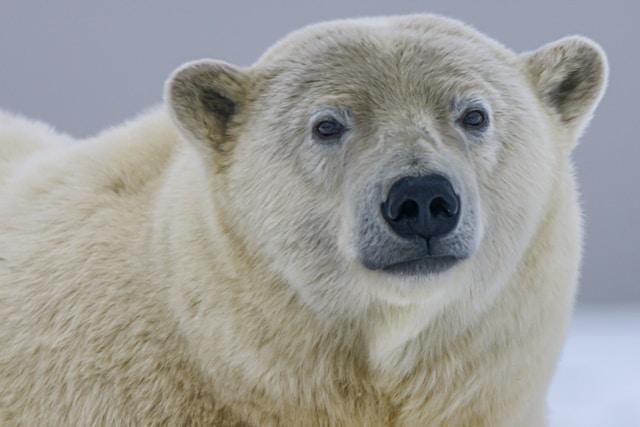
Polar bears stand as a potent symbol of the dire consequences wrought by climate change on wildlife and their broader ecosystems. As apex predators of the Arctic ice environment, these bears are acutely affected by the warming climate, which accelerates the melting of their primary habitat—the polar ice caps. This degradation has made polar bears one of the species most visibly impacted by global warming. Loss of sea ice not only diminishes their hunting grounds but also their opportunities to find prey, crucially affecting their survival rates.
The IUCN classifies the polar bear as a vulnerable species, bringing to light the urgent need for comprehensive strategies that mitigate the effects of climate change on their habitat. Polar bears rely on sea ice to reach prey like ringed seals, and as the ice recedes, these opportunities dwindle. The ice acts not only as a platform for hunting but also as a necessary surface for polar bear breeding, resting, and in some areas, denning for the cubs. The loss and fragmentation of this habitat severely threatens their life cycles and population stability.
Efforts to address these challenges involve both local and international policy measures. Global organizations and signatories to climate agreements recognize the pivotal role of controlling greenhouse gas emissions to slow down climate change and, by extension, its impact on polar bears. While political agreements and ice preservation strategies are crucial, local conservation efforts focusing on reducing human-polar bear conflicts in Arctic communities are equally vital. Programs that provide sustainable livelihood options to these communities can reduce dependency on activities that further exacerbate habitat loss.
The ongoing plight of the polar bear aligns with broader climate change discussions, serving as an environmental barometer. It challenges the global community to implement robust climate action plans that not only safeguard ice habitats but also ensure that polar bears maintain their ecological role in Arctic ecosystems. Through a combination of mitigating climate change and engaging local communities, there’s hope for these majestic bears to maintain their rightful place in our planet’s natural heritage.
Steps Towards Protecting Endangered Bears
Preserving the world’s bear populations, from grizzlies to polar bears, requires a collective effort that involves individuals, communities, and governments. Protecting these threatened species necessitates understanding their unique habitats, addressing climate change’s impact, and fostering global conservation initiatives. Personal and collective actions can spearhead efforts to safeguard these magnificent creatures and their ecosystems. Educating oneself, supporting bear conservation projects, and advocating for stronger wildlife protections are pivotal. By exploring actionable steps, we can ensure a sustainable future for bears and their habitats, with meaningful changes at local and international levels.
How Individuals Can Contribute to Bear Conservation
Individuals have a significant role to play in bear conservation, often underestimating the power of collective action towards influencing policies and shaping conservation outcomes. Simple yet impactful steps can change the trajectory for endangered and vulnerable species like grizzlies and polar bears. Firstly, educating oneself and others about the status of these threatened species can create an informed community more inclined towards active participation in conservation efforts. Awareness campaigns, wildlife documentaries, and educational workshops are accessible tools that shed light on the complexities surrounding bear conservation and habitat protection.
Moreover, supporting local and international conservation organizations financially or through volunteer work can directly contribute to the preservation efforts for various bear species. These organizations implement and sustain programs focused on habitat restoration, anti-poaching measures, and climate resilience, ensuring that bear habitats remain viable. By donating or participating in such initiatives, individuals can help maintain the ecosystems that endangered bears rely on. Volunteering opportunities often involve on-the-ground efforts such as habitat clean-up activities or educational outreach, enhancing community involvement in local wildlife conservation.
Another crucial action individuals can take involves lobbying for stronger environmental policies. Contacting local representatives to advocate for legislation that supports wildlife protection, challenges habitat destruction, and mitigates climate warming effects is critical. Campaigns that push for reducing carbon emissions, stricter hunting controls, and the establishment of wildlife corridors are instrumental in reshaping the landscapes bears depend on for survival. Individuals’ advocacy can prompt governmental bodies to enforce regulations that safeguard not only bear habitats but also the broader biodiversity within those environments.
Additionally, adopting sustainable lifestyle choices dramatically impacts bear conservation indirectly. Reducing personal carbon footprints by consuming less, opting for eco-friendly products, and supporting renewable energy initiatives can help mitigate the broader effects of climate change. As climate warming poses one of the gravest threats to polar bears and other species reliant on perishable ice habitats, these individual efforts contribute cumulatively to the global fight against this existential threat. Thus, collective acts of consciousness and responsibility pave the way for more impactful bear conservation outcomes, ensuring that the diverse wildlife, including vulnerable bears, thrives for generations to come.
In conclusion, safeguarding bear populations is integral to maintaining ecological balance and biodiversity. Each endangered bear species, from the elusive Asiatic black bear to the majestic polar bear, faces unique threats that necessitate tailored conservation strategies. Urgent action, including habitat preservation, anti-poaching measures, and climate change mitigation, is essential to prevent further decline. As global citizens, raising awareness and supporting conservation efforts can contribute to the survival of these iconic creatures. A coordinated, informed approach can ensure that future generations witness the wonders of bear species thriving in their natural habitats.