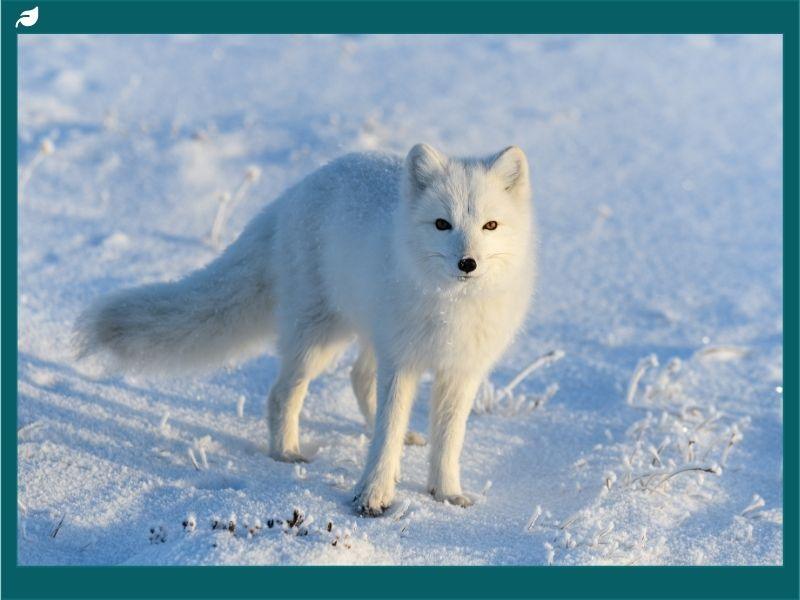
The Arctic fox is known for its adaptability and resilience, living in some of the world’s toughest environments. As both a predator and scavenger, it has developed special eating habits to survive in the tundra. Its diet includes everything from small mammals to berries, showing how it fits into the Arctic ecosystem. Learning about what the Arctic fox eats helps us understand how it survives and how the food web works in these cold regions.
Dietary Preferences of Arctic Foxes
Arctic foxes have specific eating habits that help them survive in the tough Arctic environment. They mostly rely on the limited food found in the tundra and eat a range of prey. Over time, they have developed ways to survive in these extreme conditions. By looking at what they eat and how they adapt, we can see how well they manage to live through the cold Arctic winters.
Primary Food Sources in the Arctic
Arctic foxes mainly eat arctic lemmings, which are an important part of their diet and the Arctic food web. But they also eat other things. In warmer months, they look for bird eggs, larvae, and small animals when these are easier to find. Eating a variety of foods helps them build up fat reserves, which are important for surviving the long, snowy winters.
Besides eating animals, arctic foxes sometimes eat plants they find in the tundra, especially when other food is hard to find. This ability to eat different foods as the seasons change helps them survive in the Arctic, where food can be scarce. Their flexibility shows how resourceful and tough they are all year long.
The diverse diet of arctic foxes supports their survival in the harsh arctic environment. Here are some key examples of their adaptable eating habits:
- Arctic foxes primarily hunt arctic lemmings, their main food source.
- They catch and eat birds, especially during the breeding season.
- Larvae and insect consumption helps them build fat reserves.
- During lean times, they may eat carrion left by larger predators.
- Bird eggs are a seasonal delicacy often found in nests.
- Occasionally consume berries and other tundra plants.
- Arctic foxes may dig through snow to find hidden food caches.
This list illustrates the adaptive dietary strategies that sustain arctic foxes throughout the year.
Adaptations That Help Foxes Survive
Surviving the unforgiving arctic tundra requires exceptional adaptations. The arctic fox has evolved several strategies to withstand these conditions. One key adaptation is their remarkable ability to conserve energy. During the winter, arctic foxes have a reduced metabolism that allows them to survive longer without food.
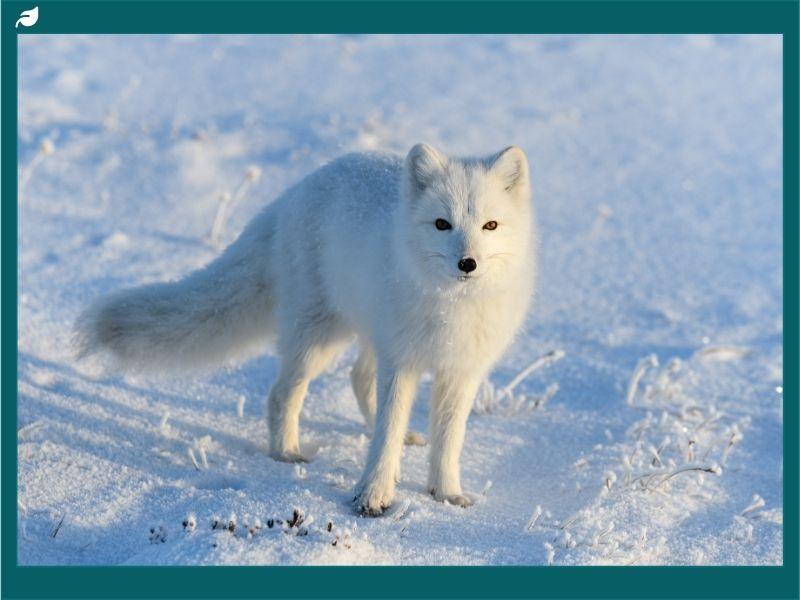
This adaptation is complemented by their thick, multi-layered fur, which provides insulation against extreme cold and helps retain body heat. Their white winter coat also serves as camouflage against the snow, aiding in both hunting and evasion of predators.
Additionally, the body shape of arctic foxes contributes to their survival. Their compact form minimizes heat loss, and their short legs and small ears reduce exposure and energy expenditure.
Foxes adapt their feeding strategies according to the season, using keen hearing to locate prey hidden under thick snow. They can detect the slightest movement, enabling them to pounce accurately on prey like arctic lemmings concealed within the ice. In the absence of live prey, they display impressive resourcefulness by scavenging from carcasses left by other predators. This ensures they make the most of every feeding opportunity available.
These adaptations collectively empower arctic foxes to thrive in one of Earth’s most challenging environments. Their ability to exploit various food sources, conserve energy, and withstand harsh climatic conditions is a testament to their evolutionary success.
The arctic fox is an excellent example of how species can adapt to formidable ecosystems, maintaining ecological balance and ensuring their survival even in the seemingly inhospitable reaches of the Arctic.
The Hunting Techniques of Arctic Foxes
Arctic foxes are skilled hunters and use different methods to find food in the Arctic. They have special ways of pouncing to catch prey in deep snow.
They are also good at foraging and scavenging, changing their tactics as needed. These hunting skills help them survive in the cold and when food is hard to find.
Pouncing Strategies in Snow
Arctic foxes’ survival depends heavily on their adept pouncing strategies, particularly in regions blanketed by deep snow. These techniques are more than just athletic displays; they’re vital for these animals to obtain food.
With their acute sense of hearing, arctic foxes can detect the slightest sounds made by prey, such as lemmings, hidden beneath the icy surface. Once they’ve pinpointed a target, they leap with precision, plunging into the snow to capture their meal.
This method is not only efficient but also crucial during the long winter months when prey is scarce and energy conservation is essential.
The effectiveness of pouncing under snow also relies on the foxes’ ability to adapt their movements to different conditions. During the arctic winter, when temperatures plummet and snow heaps grow thicker, arctic foxes have been observed adjusting their pouncing height and angle to penetrate deeper layers of snow.
The thicker their white coat, the more it camouflages them from prey, ensuring a stealthy approach. This hunting technique has evolved through necessity, demonstrating the foxes’ profound understanding of their environment and the behaviors of the prey they hunt.
Beyond the physical act of pouncing, arctic foxes also utilize their auditory skills to “see” their prey. Their ability to judge distances and gauge the prey’s position ensures they rarely miss a mark.
This approach considerably increases their hunting success rate, contributing to how these foxes survive in such a challenging habitat. The synchronization of hearing and pouncing facilitates efficient hunting and reflects the evolutionary prowess that these animals have achieved to survive in the unforgiving Arctic wilderness.
| Hunting Technique | Description | Adaptation or Advantage | Seasonal Importance |
| Leaping Pounce | The arctic fox uses its acute hearing to detect prey beneath the snow. It then leaps and dives headfirst to catch the prey. | This technique allows the fox to catch prey that is hidden from sight, making it crucial during months when food is scarce. | Vital in winter when snow covers the ground. |
| Following Polar Bears | The fox scavenges leftover seals and other carrion from polar bear kills. | Minimizes energy expenditure by utilizing the hunting success of larger predators. | Important all year, especially during lean months when other food sources are limited. |
| Cache Storing | The fox stores excess food during times of plenty to consume later during food shortages. | Ensures a reserve of food during harsh conditions when hunting is not viable. | Critical during the transition between seasons when prey availability fluctuates. |
| Opportunistic Feeding | The fox adapts its diet to whatever food sources are available, including seabirds, eggs, and small rodents. | Dietary flexibility increases survival chances during seasonal changes. | Essential during breeding seasons of prey species and seasonal migrations. |
This table illustrates how arctic foxes’ sophisticated hunting methods and resourceful behaviors ensure their survival in the challenging Arctic environment.
Foraging and Scavenging in the Frozen Tundra
In the frozen expanse of the Arctic tundra, where resources are limited, arctic foxes adopt versatile foraging and scavenging strategies. These creatures demonstrate an incredible ability to find sustenance by making use of every opportunity available.
When the prey becomes scarce, arctic foxes display ingenuity by scavenging on carcasses left behind by larger predators such as polar bears and wolves. This ensures they capitalize on every possible food source.
This opportunistic behavior is crucial during the winter months when fresh kills are rare, and the Arctic ecosystem enters a period of dormancy. Scavenging not only supplements their diet but also helps arctic foxes maintain their vital fat reserves, which are essential for thermoregulation and surviving prolonged periods without hunting success.
Moreover, foraging during the brief Arctic summer is strategic. Foxes search for vegetation, including berries and seaweed, along coastal areas. They also seize bird eggs and invertebrates made accessible as the snow melts, broadening their dietary spectrum.
Arctic foxes are smart about how they find food. They dig through snow and ice to reach lemming nests or hidden plants.
This hard-working behavior shows their resilience and is often learned from other foxes. Being able to switch between hunting, scavenging, and foraging as needed helps them survive in the tough Arctic environment.
Challenges of Finding Food in the Arctic
The harsh Arctic environment presents formidable challenges for arctic foxes as they endeavor to secure food. With temperatures dropping to extreme lows and vast expanses covered in snow, the foxes face a daunting landscape that demands both resourcefulness and resilience.
One of the primary difficulties stems from the scarcity of prey during the long winter months. As the snow deepens and the arctic tundra lies still, hunting opportunities drastically diminish, compelling the foxes to rely on their honed survival strategies.
The limited availability of food means that arctic foxes must exploit every opportunity to eat. Prey like lemmings, a crucial part of the food web, often hide below layers of snow, challenging the foxes to adapt their hunting techniques.
Their acute sense of hearing becomes invaluable during these times, as it allows them to locate unsuspecting prey concealed from sight. However, the fluctuating lemming population, caused by the boom-and-bust cycles characteristic of arctic animal species, exacerbates the difficulty of finding consistent food sources.
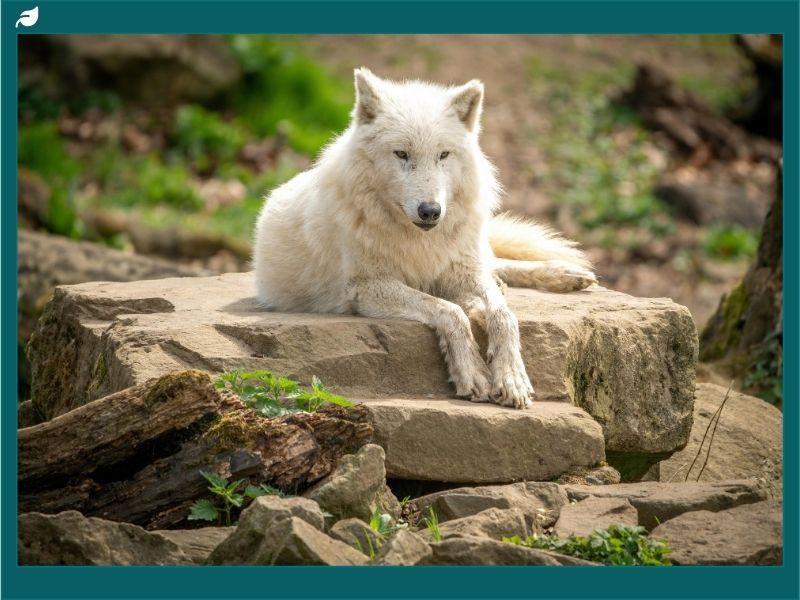
In addition, competition with other arctic animals, including larger predators like wolves and polar bears, intensifies the struggle for survival. During the harsh winter, arctic foxes often follow these formidable animals, scavenging leftovers from their kills to sustain themselves.
While this tactic provides nourishment, it also places foxes in potentially dangerous situations where they must balance risk and reward carefully.
Adaptation is crucial, as foxes also turn to foraging when prey is scarce. Digging through snow and ice to uncover food, such as bird eggs and even carrion, becomes more prevalent.
This method of conserving energy while maximizing nutritional intake illustrates the arctic fox’s ability to survive in one of the planet’s most hostile climates. Ultimately, the challenging quest for sustenance in the Arctic shows a blend of survival tactics shaped by evolution and the resilience needed for daily life.
The way Arctic foxes eat shows how well they adapt to life in the tundra. By eating small mammals, birds, carrion, and plants, they survive and play an important role in the ecosystem as both hunters and scavengers.
Learning about their diet helps us see how the Arctic ecosystem works and why it’s important to protect animals like the Arctic fox as the environment changes.