As winter approaches, the fate of honeybees becomes a topic of intrigue and concern. Unlike many insects, honeybees have developed remarkable survival strategies to endure cold seasons. Understanding their behaviors and mechanisms during the harsh months becomes crucial for those interested in beekeeping and ecological conservation.
Delving into the world of honeybee winter survival reveals their complex societal structures and the vital role these industrious insects play in maintaining ecological balance. By examining their winter survival methods, we gain insight into their resilience and the importance of protecting these key pollinators throughout the year.
Do Honeybees Die in the Winter?
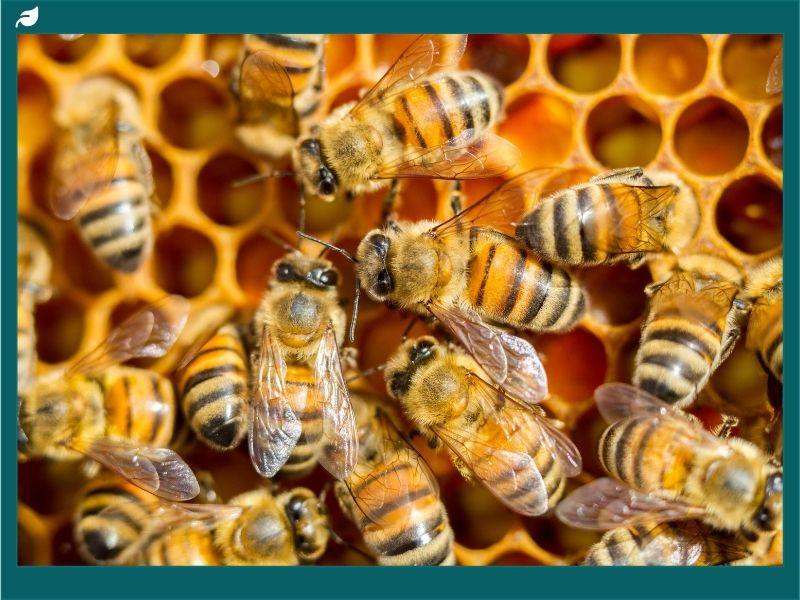
As temperatures drop, a common question arises: do honeybees die in the winter? These industrious creatures have developed unique survival strategies to withstand the harshness of cold weather. While some might assume that bees simply succumb to the cold, honeybees are equipped with fascinating adaptations to help them through the winter months. Despite the chilly environment, honeybees remain active and protective of their hive, often forming a living cluster to generate warmth. This section delves into how climate impacts honeybees and their ability to endure winter without significant losses.
The Impact of Cold Weather on Honeybees
Honeybees face significant challenges during winter, as drastic temperature drops threaten their survival. The cold weather primarily affects the hive’s internal temperature, crucial for sustaining a vital cluster of bees. When temperatures plummet, the bees’ priority is to generate and maintain heat by forming a tight cluster in the hive. This cluster is essential for survival as it ensures that the queen bee, the hive’s nucleus, remains protected and warm. As temperatures dip, bees take turns moving from the periphery to the center of the cluster, ensuring equal warmth distribution.
On the flip side, prolonged exposure to the cold can lead to dead bees, especially on the hive’s outskirts. Therefore, ensuring the hive is well-insulated against the relentless cold is paramount. Moreover, honeybees innately adapt their foraging patterns to prepare for the cold months, gathering adequate food supplies to sustain their energy needs. As climate variability becomes an increasing concern, beekeepers must be vigilant about winter losses, monitoring hives to ensure bees remain healthy and the hive conditions are optimal. Understanding these dynamics is crucial for supporting honeybees through winter and minimizing the risk of significant winter losses.
What Do Honeybees Do in the Winter?
Honeybees employ remarkable strategies to withstand the winter’s icy clutches. Contrary to what one might believe, these industrious pollinators don’t hibernate; instead, they adapt to ensure survival. With colder months looming, honeybees form a winter cluster within the hive to generate heat, shielding the core from freezing temperatures. This tightly-knit group huddles around the queen bee, whose well-being is paramount for the colony’s future. As outside temperatures fluctuate, bees work collectively to regulate heat within this mass, maintaining energy and focus on preserving their hive’s essential functions.
Understanding Winter Bees and Their Behavior
Winter bees, or those unique honeybees that emerge as chillier months approach, play a critical role in the hive’s survival. Unlike their summer counterparts, winter bees possess extended lifespans, often several months longer, ensuring the colony’s endurance through harsh winters. As temperatures drop, these bees significantly reduce their energy expenditure by limiting their flying activities. Instead, they focus on strengthening the hive’s internal dynamics. Within the hive, a winter cluster forms, with bees coalescing, vibrating their wings to produce heat, this is crucial for maintaining a stable hive temperature necessary for the queen’s survival.
Additionally, the winter cluster exhibits fascinating behavior, constantly shifting positions. Bees move from the cluster’s colder outer layer to its warmer center, allowing all bees, including the weaker ones, a chance to stay warm and active. This movement ensures uniform temperature distribution, crucial in preventing dead bees from accumulating within the hive. Since bees overwinter in this way, their food storage increases in importance. Honeybees overwinter by consuming stored honey, ensuring they have enough energy to sustain the hive until spring offers abundant foraging opportunities.
Interestingly, these bees exhibit some flexibility in their cluster dynamics, responding swiftly to environmental cues. If temperatures rise temporarily, the cluster loosens slightly, allowing bees to move and access food reserves more efficiently. However, facing prolonged cold spells requires a tighter cluster formation for more efficient heat conservation. Therefore, understanding these behaviors highlights the honeybees’ adaptability, emphasizing the critical role played by each bee in the hive’s survival strategy during the winter months. Such insights can help beekeepers better support their colonies, ensuring their hives thrive despite winter’s challenges.
Do Bees Hibernate or Stay Active?
The enigma of bee behavior during winter often leads to questions about their hibernation status. Unlike many other creatures that enter dormancy, honeybees remain active even as temperatures drop. These industrious insects don’t hibernate in the traditional sense but employ a sophisticated strategy to survive the winter months. At the heart of their survival is the formation of a winter cluster within the hive, where bees collaborate to maintain warmth and protect the queen. This section explores the unique adaptations honeybees have developed, showcasing how they stay active and ensure their hive’s endurance even amidst the cold.
The Unique Adaptation of Bees During Winter
In winter, honeybees reveal a remarkable adaptation that distinguishes them from typical hibernators. Rather than completely shutting down as the cold sets in, these bees form a winter cluster, a dense, living mass inside the hive that conserves heat. The core of this cluster, which shields the critical nucleus of the honeybee colony, its queen, is meticulously insulated by surrounding bees. They vibrate their flight muscles, generating heat and maintaining an internal temperature sufficient to prevent the hive from freezing. This cluster behavior ensures honeybees are not just dormant but actively overwinter to preserve their colony’s continuity.
The winter bees, with their extended lifespans, are crucial to this process, enabling the colony to endure until spring. They manage food stores by consuming honey and pollen collected in warmer months, ensuring energy sustenance. The hive itself becomes a well-organized system where bees continually rotate between the colder periphery and the warmer center. This constant motion prevents dead bees from blocking critical pathways and ensures everyone, including weaker bees, accesses warmth and sustenance. Thus, by overwintering in dynamic clusters, honeybees transcend the traditional concept of hibernation, remaining active and collaborative, ultimately safeguarding their hive against the winter cold.
What Do Bees Eat in the Winter?
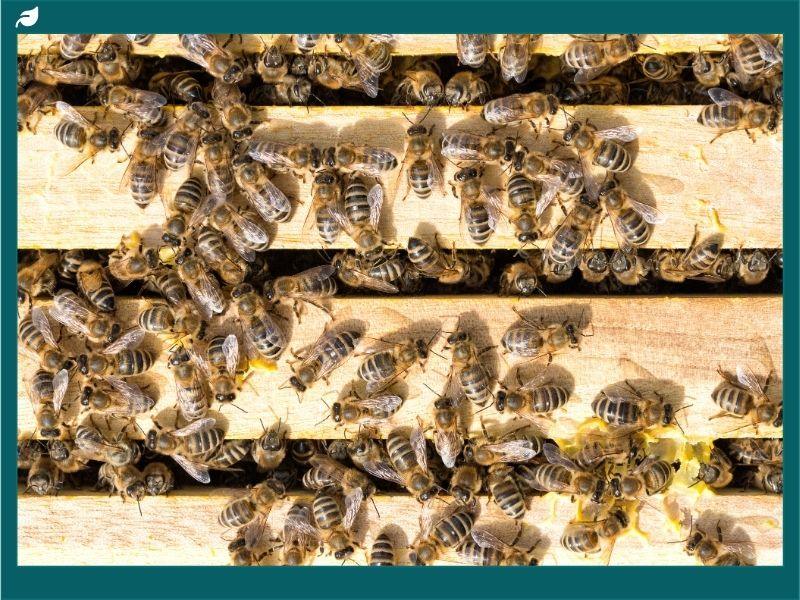
Winter poses a unique challenge for honeybees, compelling them to adapt their lifecycle and food consumption habits to survive. Unlike in warmer months when bees forage extensively, during winter, the hive relies on stored resources to sustain itself. The honeybee colony meticulously prepares for this season by stockpiling honey and pollen, which become critical sources of nutrition. Inside their hives, bees focus on conserving heat by clustering together, with the palpable warmth being crucial for sustaining life. This section explores how these industrious insects manage their dietary needs during the winter to ensure the hive thrives even in the absence of blooms.
How Honeybees Sustain Nutrition Inside the Hive
During the chilly winter months, honeybees exhibit an exceptional level of preparedness and adaptability. The hive becomes a critical hub of activity where nutrition management is paramount. Central to their survival is the vast amount of honey accumulated during the warmer months, serving as an energy-rich food source crucial for winter bees. The honeybee colony consumes this stored honey to maintain warmth and vitality, particularly when the outside world is inhospitable. Within the hive, bees utilize a unique method known as thermoregulation, using honey as a fuel source to keep the cluster warm. This not only ensures the queen bee remains active but also preserves the functionality of the entire colony.
Pollen also plays a significant role in the nutritional dynamics of winter hives. As bees form a tight cluster around the queen, they don’t forage but rather rely on bee bread, a mixture of pollen and honey, which provides essential proteins and nutrients necessary for their prolonged endurance. Winter bees, with their extended lifespans, benefit the hive by reducing their individual energy consumption while focusing on communal heat production. Consequently, this energy-efficient behavior ensures that more resources are available over the cold months, mitigating potential winter losses.
The shift from active food gathering to meticulous resource management inside the hive highlights the honeybees’ incredible adaptability. Beekeeping practices that support proper hive insulation and ensure adequate food reserves can help bolster these natural survival strategies. Understanding the interplay of nutrition and temperature regulation within the hive not only affirms honeybees’ resilience but also guides beekeepers in fostering thriving colonies despite the winter challenges.
How Do You Keep Bees Alive in Winter?
As winter looms, beekeepers face the vital task of ensuring their honeybee colonies withstand the cold months. Honeybees naturally employ survival tactics, but external support enhances their chances of thriving. This section focuses on the best practices beekeepers should adopt to help honeybees through winter, emphasizing the importance of maintaining a warm and protected hive environment. By understanding the intricacies of hive dynamics, beekeepers can significantly reduce winter losses and support their colonies’ long-term health and productivity.
Best Practices for Beekeepers
To ensure honeybees flourish through winter, beekeepers must adopt specific strategies that cater to the natural behaviors of bees. A primary consideration is the creation of an adequately insulated hive. As temperatures drop, maintaining warmth inside the hive is crucial. Insulation aids in preserving the warmth generated by the winter cluster, where bees congregate tightly to protect the queen and maintain internal temperatures. Beekeepers should use materials like bee-friendly wraps that allow ventilation while providing insulation, preventing moisture build-up, which can be detrimental to bees’ health.
Managing the hive’s food resources is another essential practice. Beekeepers must ensure there’s sufficient honey stored to sustain the winter bees, as they generate heat through metabolic activity fueled by their food reserves. Supplementing the energy needs with sugar boards or fondant can provide an additional safety net. Meanwhile, closely monitoring the hive for signs of disease or parasites is vital. Reducing hive manipulations is advisable to prevent breaking the crucial winter cluster, which could expose bees to the cold.
Finally, ensuring the hive’s entrance remains clear of snow and debris allows for proper ventilation and helps bees remove waste. Strategic positioning of the hive can also impact survival; placing hives where they receive early sunlight can encourage bees to break cluster, move around the hive, and access food stores more effectively. By implementing these strategies, beekeepers can support their honeybee colonies’ winter adaptations, ensuring a healthy start to spring.
Should You Wrap Your Hives?
As winter approaches, beekeepers often wonder if wrapping hives is necessary to protect their colonies. Understanding the protective dynamics of the winter cluster is crucial as bees rely on insulation to maintain warmth. The question of whether to wrap hives depends on various factors, including climate and hive health. Wrapping can be beneficial, offering additional protection against harsh temperatures and wind, thus enhancing the bees’ natural defenses. Evaluating the need for insulation requires a deep dive into its impact on the hive’s internal environment, considering how it interacts with the colony’s behavior and survival strategies during winter.
Insulating Against the Cold
Insulating hives effectively is a key strategy in protecting honeybees from the piercing cold of winter. The hive’s ability to retain warmth directly influences the survival of the winter cluster, where bees huddle together to maintain a temperature conducive to sustaining the hive, particularly the queen. Insulating materials should allow for breathability while providing protection from cold winds; materials like breathable wraps are favored as they prevent moisture build-up, which could otherwise jeopardize bee health. Beekeepers must consider factors such as the local climate, as regions with severe winters can significantly benefit from wrapping hives to reduce heat loss.
Moreover, insulation helps mitigate the increased energy demands placed on winter bees, supporting their extended lifespans by reducing the necessity for excessive metabolic activity. By maintaining a stable internal temperature, bees can conserve their energy, lessening the strain exerted on their honey reserves. Attention should also be given to the hive’s positioning; situating hives to harness sunlight aids in naturally warming the hive, complementing the insulation efforts. Adequate insulation thus plays a dual role by both promoting the health of the colony through warmth and ensuring the protective winter cluster remains intact, ultimately safeguarding against potential winter losses.
When is Winter Over for Bees?
The end of winter for bees is a gradual and pivotal transition that relies heavily on both environmental cues and the hive’s internal dynamics. As the climate begins to warm, the tightly-knit winter cluster that bees form to conserve heat starts to loosen. This natural progression signals the onset of increased activity within the hive. Honeybees, emerging from months of careful resource management, become more active as the queen bee resumes egg-laying, stimulating the growth of the colony. The durability of this transition varies, influenced by the local climate and the hive’s condition upon entering the colder months.
While the presence of winter bees, with their extended lifespans, supports the hive as it transitions, the emergence of new bees is crucial for renewing the colony. Milder winters, however, can pose risks, such as the premature end of the winter phase, which may stress the hive’s food reserves, leading to potential mite infestations. Beekeepers, monitoring these shifts, often assist bees by ensuring hives have ample resources like honey and pollen as spring approaches. This transitional period underscores the importance of adapting beekeeping practices to support the queen and the colony effectively, ensuring the effects of climate and potential threats like mites are minimized.
Honeybees have adapted remarkable strategies for winter survival, from forming dense clusters in their hives to utilizing stored honey as an energy source. These social insects exhibit a keen ability to maintain hive temperature, ensuring the queen and colony survive until spring. Reflecting humanity’s urgent need for environmental stewardship, sustaining bee populations is critical for biodiversity. By supporting bee-friendly practices and habitats, we can aid in their resilience, safeguarding these indispensable pollinators that play an essential role in our ecosystem’s health and our food supply.