The vibrant ecosystems of coral reefs are often celebrated for their diverse marine life, but equally crucial are the plants and algae that thrive within these underwater gardens. These organisms serve as primary producers, forming the foundation of the reef’s food web by converting sunlight into energy.
Algae, such as the symbiotic zooxanthellae, are pivotal in coral health, providing essential nutrients through photosynthesis. Meanwhile, seagrasses and other marine flora play a protective role, stabilizing sediments and reducing coastal erosion.
Understanding their roles unveils a rich complexity in reef dynamics. This complexity is essential for conservation efforts.
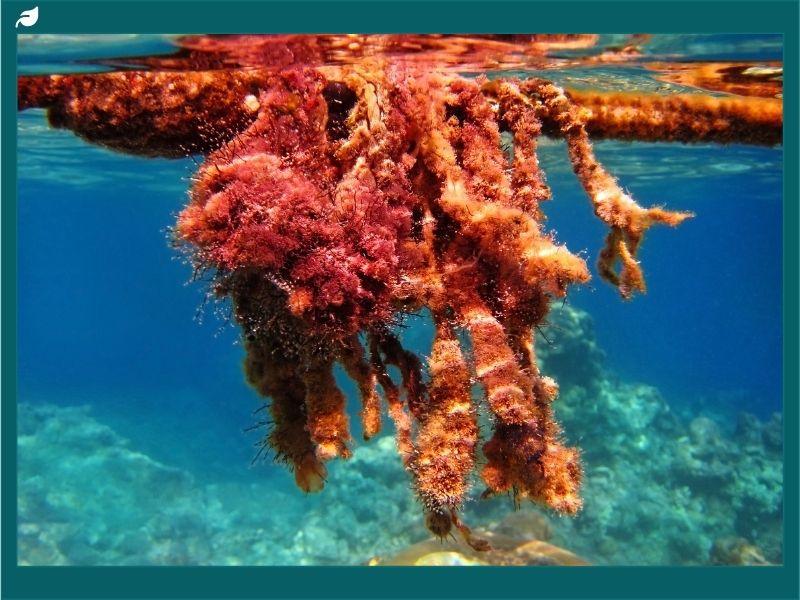
The Diversity of Vegetation in Coral Reefs
Coral reefs are vibrant ecosystems teeming with diverse life forms, including a fascinating array of plant species. These ecosystems rely heavily on vegetation, particularly algae and seagrasses, to maintain their ecological balance.
The intricate relationships between plants, algae, and corals form a complex web that supports marine life. As one explores these underwater gardens, understanding the role of vegetation in coral reef ecosystems becomes essential in appreciating their biodiversity.
By examining key plant species within these communities, we can uncover the vital contributions they make to coral health. These contributions also extend to the coastal marine environment.
Key Plant Species in Coral Reef Ecosystems
Key plant species are essential for keeping coral reefs healthy and balanced. Algae, which come in green, red, and brown varieties, are especially important. They produce oxygen and serve as the main food source for many reef creatures.
Corals depend on zooxanthellae, a type of algae, for nutrients and their bright colors. Seagrasses, which have roots, stems, and leaves, grow in shallow waters where sunlight is strong.
They help stabilize the sea floor, improve water quality, and provide food and shelter for animals like dugongs and sea turtles. Coralline algae, with their hard surfaces, help hold the reef together and protect it from strong waves.
All these plants work together to support the reef and the many animals that live there. Protecting these plants is important, especially as reefs face threats from climate change and human activity. By understanding and preserving plant diversity, we can help coral reefs survive for future generations.
Expand your understanding of coral reef plant species by exploring these fascinating facts:
- Algae contribute significantly to carbon fixation, enhancing the carbon storage capability of coral reefs.
- Seagrasses improve coastal protection by reducing wave energy and preventing coastline erosion.
- Coralline algae’s calcification process is essential for forming new reef structures and maintaining ecological balance.
- Some algae have anti-inflammatory properties, potentially beneficial for pharmaceutical applications.
- Seagrass beds enhance fishery yields by providing nurseries for commercially valuable fish species.
- The presence of healthy plant species can enhance the aesthetic value of marine environments, promoting ecotourism.
These points reveal the profound influence of plant species on the vitality of coral reef ecosystems.
The Role of Seagrass in Reef Ecosystems
Seagrasses play a pivotal role in the health and sustainability of coral reef ecosystems. These flowering plants are instrumental in maintaining ecological balance, offering numerous benefits that extend far beyond their lush, underwater meadows. While often overshadowed by the more visually striking corals, seagrasses provide vital services such as nutrient cycling, habitat formation, and sediment stabilization. Understanding their importance in coastal environments offers insights into the broader marine environment. These insights highlight the intricate relationships between seagrasses, corals, and other reef organisms within these vibrant ecological communities.
The Importance of Seagrass Meadows
Seagrass meadows are a key part of marine ecosystems, creating large underwater fields that support many different animals. These plants provide important homes for young fish, invertebrates, turtles, and dugongs.
The thick growth of seagrasses offers shelter and food, helping many species survive. Seagrasses also produce oxygen and serve as nurseries for reef animals.
By holding the sediment in place, they keep the water clear, which is important for corals that need sunlight to grow.
The ecological significance of these meadows cannot be overstated. By trapping fine sediments and absorbing pollutants, seagrasses enhance the quality of their surrounding marine environment.
This process is critical in coastal ecosystems where water quality directly impacts the vitality of coral reefs. The intertwined roots and rhizomes of seagrasses serve as natural filters, collecting nutrients that would otherwise contribute to algal blooms that can smother coral reefs. Furthermore, their ability to sequester large amounts of carbon makes seagrasses significant players in the global carbon cycle.
They help reduce greenhouse gases and combat climate change impacts on coastal environments. This carbon sequestration feature underscores the importance of preserving these marine plants as part of broader conservation strategies.
However, the survival of seagrass meadows is under threat from various environmental pressures, including coastal development, pollution, and climate change. The degradation of these habitats can lead to severe ecological consequences for coral reefs and associated marine organisms.
Diminished seagrass areas contribute to the loss of biodiversity and weaken the structural integrity of marine ecosystems, highlighting the urgent need for conservation measures. Protecting seagrass meadows involves maintaining healthy coastal environments and addressing the broader challenges facing the marine ecological communities.
By safeguarding the habitats where seagrasses thrive, we can help ensure the continued health of coral reef ecosystems and the multitude of species that depend on these unique underwater landscapes.

Understanding Coral and Algae Interactions
Coral reefs are remarkable for the dynamic interactions between corals and various algae species that are crucial for ecosystem health. Algae play an integral role in providing necessary nutrients and aiding in coral growth, with the symbiotic relationship between coral polyps and algae being particularly essential.
Understanding these interactions aids in recognizing the ecological significance of these relationships, especially amid challenges like coral bleaching and environmental changes. Exploring the role that algae play in coral health provides invaluable insights into the sustainability of these vibrant reefs and the broader marine ecosystem.
The Role of Algae in Coral Health
Algae are vital for the health and strength of coral reefs. Zooxanthellae, a type of algae living inside coral, help corals get nutrients and keep their bright colors.
This partnership is so important that without algae, corals struggle to grow and build their skeletons. Algae also form the base of the food web, feeding many reef animals. They help control carbon dioxide in the water, which is especially important as climate change causes more coral bleaching.
When water gets too warm, corals lose their algae, which can lead to reef damage. Algae also produce oxygen, provide homes for other reef creatures, and help cycle nutrients. Protecting the relationship between corals and algae is key to keeping reefs healthy for the future.
| Role of Algae | Impact on Coral | Broader Marine Contributions |
| Nutrient Provision: Algae provide essential nutrients to corals through photosynthesis. | Symbiotic Relationship: Algae and corals work together, enhancing coral health and growth. | Carbon Dioxide Management: Algae absorb CO2, aiding in climate regulation. |
| Photosynthesis: Algae perform photosynthesis to generate energy and support coral metabolism. | Calcium Carbonate Production: Algal energy supports coral skeleton formation. | Oxygen Production: Algae contribute significantly to marine oxygen levels. |
| Energy Source: Algae serve as a direct energy source for corals. | Vibrant Colors: Algae give corals their vibrant and diverse colors. | Habitat Formation: Algal structures support diverse marine life. |
This table outlines the essential and beneficial interactions between coral and algae within coral reef ecosystems. It highlights the vital roles of algae in nutrient provision and photosynthesis, their positive impact on coral health through symbiotic relationships, and their broader contributions to marine environments such as carbon dioxide management, oxygen production, and habitat formation.
These interactions underscore the ecological significance of coral and algae and the importance of conservation efforts focused on maintaining these dynamics.
Coralline Algae: The Architects of Reefs
Coralline algae are important for building and holding coral reefs together. These red algae have hard surfaces that act like cement, helping the reef stay strong against waves and currents.
By making the reef more stable, coralline algae help protect the whole ecosystem, even when conditions are tough.
The ecological role of coralline algae goes beyond mere structural support. These algae play a crucial role in the recruitment of coral larvae, facilitating the growth and settlement of young corals on the reef.
The rough, textured surfaces provided by coralline algae offer an ideal habitat for coral polyps to attach and thrive, promoting biodiversity within these communities. By doing so, they foster a flourishing marine environment where various organisms can coexist.
The presence of coralline algae thus ensures a continuous cycle of renewal and regeneration, sustaining the vibrant flora and fauna characteristic of these underwater worlds.
Additionally, coralline algae contribute to the overall health and productivity of coral reefs by engaging in various ecological interactions. By participating in nutrient cycling and contributing to the formation of marine carbonate sediments, these algae help maintain water quality, which is vital for coral survival.
Their ability to aid in nutrient retention further underscores their importance in marine environments, where they assist other plants and organisms in thriving. Moreover, their presence can mitigate some of the impacts of climate change by offering substrates that endure thermal stress, thereby reinforcing the resilience of coral ecosystems amidst an evolving climate.
Coralline algae’s role as architects highlights their indispensable presence in marine ecosystems, integrating structure with ecological balance. In conserving coral reefs, recognizing the value of these algae is essential to ensuring marine biodiversity and sustainability.
Their contributions to reef architecture and ecological stability offer a blueprint for preserving these critical habitats for future generations. By aligning conservation efforts with an understanding of coralline algae’s function, we can better protect the delicate balance of these ecosystems that host a myriad of marine life through their robust and dynamic environments.

Challenges Facing Coral Reefs Vegetation
Coral reefs worldwide are facing substantial challenges that threaten their intricate ecosystems, with vegetation being pivotal yet vulnerable. Among the most pressing issues are the effects of climate change, which have profound implications for coral reef communities.
The health and abundance of vegetation within these reefs, including critical plants and algae, are under threat due to rising sea temperatures and ocean acidification. This section explores the multifaceted impacts of climate change on coral-algae dynamics, highlighting the urgent need for sustainable practices to protect these delicate marine environments and the organisms that depend on them.
Impact of Climate Change on Coral and Algae
Climate change stands as one of the single most significant challenges facing the vegetation of coral reefs. Elevated sea temperatures and heightened levels of carbon dioxide have led to increased occurrences of coral bleaching, a phenomenon heavily impacting both corals and the algae, a group of marine organisms integral to reef ecosystems.
Algae, particularly zooxanthellae, reside symbiotically within coral polyps, assisting in photosynthesis and nutrient provision. The rising ocean temperatures disrupt this relationship, causing corals to expel their algae.
This expulsion not only deprives corals of color but also results in a drastic reduction of nutritional intake, leading to weakened coral health and, in extreme cases, death.
This bleaching event doesn’t just affect the corals themselves but reverberates through the entire marine environment. Algae are responsible for much of the primary production in these ecosystems, forming the base of the marine food web.
With bleaching events, the reduction in algae leads to lower productivity and decreased sustenance for a wide range of marine life, emphasizing the ecological impacts on these environments. Moreover, without algae, the ability of the coral reefs to sequester carbon diminishes, exacerbating climate change, a cyclical problem that enhances the urgency of this environmental challenge.
Apart from immediate bleaching effects, long-term consequences of climate change include altered oceanic conditions that further imperil these ecosystems. Ocean acidification, driven by increased carbon emissions, reduces the availability of calcium carbonate, a critical component for the formation of coral skeletons and the calcified surfaces of coralline algae.
This limits the reefs’ ability to grow and maintain their structural integrity, compromising the whole ecosystem’s resilience.
Furthermore, the compounded stress from climate change reduces the ability of marine communities to recover from other anthropogenic pressures, like pollution and overfishing, which are also substantial challenges facing these environments. Solutions require global cooperation to mitigate climate change impacts by reducing emissions and implementing conservation strategies that support the resilience of coral-algae relationships.
By addressing these challenges, we can help ensure the long-term health of coral reef ecosystems and their intricate web of organisms, sustaining these vital marine environments amid changing global climates.
Coral reefs rely on the plants and algae that grow beneath the water. Algae and seagrasses help keep reefs stable and support many different species. As climate change and pollution threaten these ecosystems, it is important to learn about and protect their plant life. By using sustainable practices and supporting conservation, we can help coral reefs survive and thrive for years to come.