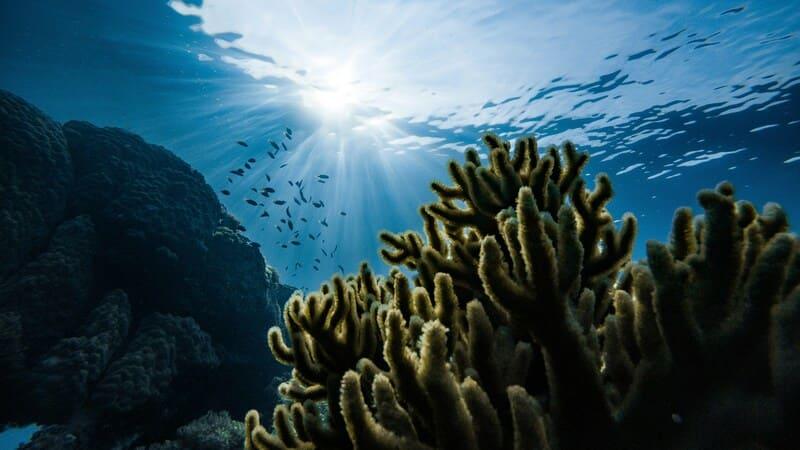
Immersed in the vibrant underwater realm, coral reefs host some of the most breathtaking marine life on our planet. These biodiverse ecosystems are alive with countless fish species that dazzle with extraordinary colors and behaviors. Among these aquatic marvels are coral fish, a variety of species that play crucial roles in maintaining the ecological balance of the reefs.
From the vividly patterned clownfish to the elusive royal gramma, these reef inhabitants are as fascinating as they are essential. Join us in exploring 15 stunning coral fish species that contribute to the allure and vitality of our oceans.

The Diversity of Marine Fish in Coral Reefs
Coral reefs are bustling ecosystems, home to an extraordinary variety of marine fish. These vibrant underwater habitats provide shelter and sustenance to numerous reef fish species, forming an integral part of the marine biodiversity. Among the kaleidoscope of coral reef inhabitants, the colorful butterflyfish stand out for their striking patterns and behaviors.
The rich diversity of coral reefs doesn’t just support fish but plays a crucial role in maintaining the ecological balance of our oceans. Exploring the vibrant life beneath the waves reveals the complexity of reef habitats and the myriad of species that call them home.
Exploring Vibrant Reef Fish Species
Coral reefs are often dubbed the “rainforests of the sea,” and for a good reason. Among the myriad marine fish thriving in these ecosystems, a diverse array of species captivate the eye and play essential roles in their underwater communities. Vibrant reef fish like the butterflyfish, angelfish, and parrotfish are not just visually stunning; they are also critical to the health of coral reefs. The butterflyfish, with its elegant form and intricate patterns, is a quintessential example of how these species contribute to the aesthetic and ecological tapestry of coral habitats. These fish feed on coral polyps and algae, helping to regulate the growth of coral and maintaining the balance of the ecosystem.
Parrotfish and surgeonfish, on the other hand, are the herbivores of the reef, grazing on algae and preventing it from choking corals. A parrotfish’s beak-like teeth allow it to bite into the coral surface, which not only keeps algae in check but also aids in the regeneration of coral sands through its digestion process. This phenomenon exemplifies the interconnectedness of reef inhabitants, the actions of every individual species can impact the health of the reef as a whole. The existence of such intricate relationships underscores the need for a diverse population of reef fish, each with its unique role.
Beyond their ecological functions, these fish species exhibit behaviors that are as fascinating as their appearances. Schooling behaviors seen in species such as the bannerfish help these reef fish avoid predators and increase their foraging efficiency. Difficult to miss in the bustling waters of a reef, the cleaning stations operated by species such as the cleaner wrasse demonstrate symbiotic relationships at play. Larger fish seeking these stations allow tiny cleaner wrasse to remove parasites in a win-win interaction, underscoring the symbiotic relationships that sustain reef ecosystems.
Conservation efforts focused on protecting coral reefs emphasize the need for biodiversity, which includes safeguarding these vibrant reef fish. Overfishing, pollution, and climate change pose serious threats to their habitats. By supporting sustainable fishing practices and marine protected areas, we can help ensure that future generations continue to experience the stunning beauty and diversity of these marine environments. The diverse array of reef fish not only highlights the beauty of the underwater world but also reminds us of the precarious balance that sustains these ecosystems.
Understanding the Importance of Reef Habitat
Reef habitats represent some of the most significant ecosystems on the planet, housing a staggering diversity of marine fish. These vibrant environments are more than just picturesque landscapes beneath the waves; they’re sustainability keystones in the marine ecosystem. The interplay of structure provided by corals and the wide array of marine fish and invertebrates contributes to the dynamic equilibrium found in these environments. A healthy reef habitat supports not only the fish that dwell within but also other marine life that relies on these complex ecosystems for survival, feeding, and breeding.
Central to the functioning of reef habitats is their role as nurseries for marine fish. Many fish species have their early life stages closely tied to coral reefs, where the structural complexity offers protection from predators, ensuring higher survival rates for juvenile fish. For instance, tiny fry find refuge in the nooks and crannies of coral structures, while adult marine fish leverage the reefs for their prolific feeding opportunities. Thus, coral reefs serve as life stages in the cycling of marine species, reinforcing the importance of preserving these habitats for the oceans’ general health.
The presence of vibrant reef fish, such as the butterflyfish, is a testament to the health of coral ecosystems. Their diverse diets help manage coral health, while their presence adds to the intricate layers of this ecosystem. In addition to support from within, reef habitats also influence adjacent ecosystems, such as seagrass beds and mangroves, highlighting their extensive influence on marine biodiversity. These interconnected habitats can be viewed as a mosaic of ecological patches, each reinforcing the health of the other.
Current environmental challenges have placed reef habitats under significant threat. Climate change leading to coral bleaching, alongside human activities such as destructive fishing methods, places immense pressure on these environments. It’s crucial to foster awareness and conservation efforts that aim to restore and preserve reef habitats. Initiatives such as the establishment of marine protected areas and the enforcement of sustainable fishing regulations offer a blueprint for how humanity can actively participate in supporting these essential ecosystems. By recognizing the critical role that reef habitats and their vibrant marine fish play in maintaining oceanic health, we can strive to secure a sustainable future.

Clownfish: Amphiprioninae Characteristics
Clownfish, known scientifically as Amphiprioninae, are among the most recognizable and adored inhabitants of coral reefs. These vibrant fish, thanks to their distinctive coloration and whimsical movements, captivate marine enthusiasts and researchers alike. Clownfish have carved a unique niche within the complex tapestry of coral ecosystems, acting as key players in several ecological relationships. Their interactions within their natural habitat provide fascinating insights into both their survival strategies and the broader dynamics of reef communities.
Ecology and Behavior in Their Natural Setting
In natural coral ecosystems, clownfish exhibit fascinating behaviors and ecological adaptations that are key to their survival. These small fish are indigenous to the warm waters of the Pacific and Indian Oceans, where they thrive amidst the bustling life of coral reefs. Ecologically speaking, clownfish play an integral role in maintaining the equilibrium of these vibrant environments. Their agility and size enable them to maneuver through small crevices of the coral, allowing them to seek refuge quickly if threatened by predators. This adaptation, alongside their vibrant color patterns, not only deters potential threats but also allows them to blend seamlessly into the vivid coral backdrop, acting almost as living art pieces in their natural domains.
Clownfish are known for their hierarchical social structure within groups. Typically, a dominant female leads each community, followed by a dominant male and several subordinate males. This distinct hierarchy is crucial to the breeding success of clownfish, as only the dominant individuals engage in reproduction. In the instance that the female dies, a phenomena unique to clownfish occurs where the dominant male will change sex to become the female. This remarkable gender plasticity underlines their adaptability, ensuring reproductive continuity and survival in the dynamic and sometimes harsh conditions of the reef. The ecology of clownfish is intricately tied to the structures they inhabit, primarily the sea anemones, which provide them both food and shelter, thus showcasing their dependence on specific coral habitats.
Clownfish ecology also extends to their feeding habits, which contribute to the health of coral ecosystems. As omnivores, they primarily feed on zooplankton, algae, and small invertebrates, a diet that supports coral health by managing algal populations. This balance is crucial because excessive algae growth can suffocate corals, leading to the degradation of their habitats. Furthermore, clownfish exhibit an intriguing behavior known as “anemone cleaning,” where they consume excess food, detritus, and parasites found on their host anemones. This mutualistic interaction benefits both the clownfish, in the form of nourishment, and the anemone, by keeping it clean and healthy, underscoring the symbiotic relationships crucial to their ecological role.
These behaviors and adaptations illustrate the essential role clownfish play in their ecosystems. Their agile movements, intricate social structure, and feeding habits enable them to help maintain the delicate balance of coral ecosystems, emphasizing the interdependence of reef inhabitants. Understanding clownfish in their natural environment offers profound insights into the ecological interactions that sustain reef biodiversity and highlights the importance of conserving these remarkable fish and their habitats.
Symbiotic Relationships in Coral Ecosystems
Clownfish are perhaps most celebrated for their symbiotic relationships in coral ecosystems, particularly their iconic partnership with sea anemones. This mutualistic relationship, where both parties benefit, is a classic example of nature’s intricate web of interdependencies. Clownfish find sanctuary among the venomous tentacles of anemones, which deter predators effectively. In return for this protection, clownfish provide anemones with nutrients in the form of waste, as well as cleaning services by consuming detritus and parasites. This relationship demonstrates a sophisticated ecological strategy that enhances the resilience and stability of coral reef communities.
The chemical interactions between clownfish and their host anemones are equally fascinating. Unlike most marine creatures, clownfish are immune to anemone stings due to a special mucus coating on their skin, developed through a gradual acclimatization process. This adaptation allows clownfish to live among anemone tentacles without harm, turning what could be a deadly embrace into one of the ocean’s most symbiotic partnerships. By residing within these aquatic fortresses, clownfish enjoy enhanced protection from predators, while anemones benefit from increased water circulation facilitated by the swimming movements of the fish, promoting nutrient absorption and health.
Further adding to their ecological significance, clownfish also enhance the biodiversity of coral ecosystems. Their presence indirectly aids the inhabitants of the reef by encouraging healthier anemones, which, in turn, support the survival of other reef species. Anemones, by hosting clownfish, gain an ally in nutrient acquisition and protection, which contributes to their growth and proliferation on the reef. This relationship highlights the role of symbiosis in promoting complex ecological networks where the success of one species can cascade through the ecosystem, influencing the survival and productivity of others.
Beyond their relationship with anemones, clownfish interact symbiotically within the reef’s broader ecosystem. They engage with other marine species in mutually beneficial ways that often go unnoticed. For instance, some clownfish species have been observed fostering relationships with cleaner shrimp, adding another layer to the intricate symbiotic web in coral environments. These interactions display the profound interconnectedness present in reef ecosystems, where each species contributes to the collective resilience against environmental pressures.
Thus, the symbiotic role of clownfish is an indelible part of coral ecosystems’ health and vibrancy. By exemplifying a successful model of mutualism, clownfish not only ensure their survival but also bolster the ecological fabric of coral reefs. Recognizing and preserving these intricate relationships is crucial as we strive to protect the stunning coral environments where these interactions unfold. In doing so, we acknowledge the clownfish’s role as sustainable keystones that mirror the broader themes of cooperation and balance essential for thriving ecosystems.

Regal Blue Tang: A Popular Marine Fish
Widely recognized for its vibrant blue hues and dynamic movements, the Regal Blue Tang is a staple inhabitant of coral reefs. Known for its starring role in popular media, its real-life significance extends far beyond cinematic fame as it plays a crucial role in the biodiversity of marine ecosystems. This elegant fish captures the essence of the oceans with its stunning coloration and vital presence within reef communities. Exploring the Regal Blue Tang reveals much about the ecological interactions and behaviors that support the health and vibrancy of coral ecosystems.
Identifying Features and Coloration
The Regal Blue Tang, scientifically known as Paracanthurus hepatus, is one of the most iconic marine fish species, easily identified by its vibrant coloration and distinct body features. Its oval-shaped body displays a brilliant blue with a black ‘palette’ design, complemented by a yellow tail. These unique features make it a favorite among marine enthusiasts and aquarists alike. The blue tang exhibits sexual dichromatism, where coloration can vary slightly between males and females, although these differences are subtle. Its striking coloration isn’t just for show; it plays a role in communication and deterrence within its natural habitat.
The blue tang’s coloration is more than aesthetic, serving multiple functions in the wild. Its bright colors can dissuade predators by warning them of its potential unpalatability, a common strategy among reef-associated fish. Additionally, the distinctive black markings help in camouflage when maneuvering through the shadows and contours of the reef environment. The yellow tail also functions as a focal point that can confuse predators in the event of an escape. These adaptations highlight the evolutionary strategies this fish employs to survive within the competitive marine ecosystem.
Furthermore, the Regal Blue Tang’s features extend beyond its color, with its tiny scales providing an added layer of defense. The slender shape and flexibility enable the fish to navigate effortlessly through coral crevices, an essential skill for foraging and evasion. The dorsal and anal fins extend along the majority of its body length, providing stability and agility, vital for avoiding threats and optimizing its migratory foraging routes across expansive reef areas.
In captivity, maintaining the Regal Blue Tang’s vivid coloration depends on a balanced and nutrient-rich diet that mimics its natural feeding habits. This includes a variety of algae, essential for sustaining the pigments that give the blue tang its signature hue. Thus, the coloration and features of the blue tang are not just superficial identifiers but are indicative of its health and suitability to its environment. It becomes clear that the Regal Blue Tang is a testament to how coloration and body structure serve critical roles in survival, communication, and continuity within vibrant marine ecosystems.
Role in the Marine Biodiversity
The presence of the Regal Blue Tang on coral reefs is pivotal for maintaining the health and balance of these diverse ecosystems. As an herbivore, the blue tang performs essential ecological roles that have widespread impacts on the reef. Its grazing activity prevents the overgrowth of algae, which is crucial for the sustainability of coral health. Excessive algae can overwhelm coral structures, impeding their access to sunlight and essential nutrients, which are critical for photosynthesis and energy production. By naturally regulating algae populations, the Regal Blue Tang helps in maintaining a stable and balanced ecosystem, ensuring the coral reefs’ resilience against external stress factors.
Additionally, the Regal Blue Tang’s foraging behavior facilitates symbiotic interactions with other reef species. As it grazes, this process inadvertently aids in the prevention of disease spread by removing algae that may harbor pathogens harmful to corals. This activity underscores the interconnectedness of reef communities and highlights how each species contributes uniquely to the ecological tapestry. Collaboration among marine species showcases a remarkable example of nature’s efficiency in resource management, where biological diversity both drives and is driven by individual species’ roles within their habitat.
Ecologically, the blue tang also serves as a key species for predator species like sharks, thereby forming an essential part of the food web within marine environments. Its presence on the reef supports broader biodiversity, as it acts as a crucial prey resource for larger predators. This predator-prey dynamic is vital for population regulation among reef species, preventing any single group from dominating and thereby promoting richer biodiversity.
Moreover, understanding the blue tang’s role aids conservation efforts in safeguarding marine biodiversity as climate change and anthropogenic pressures threaten the stability of coral ecosystems. Appreciating the integral role herbivorous fish play in coral health encourages efforts to curb overfishing and habitat destruction, ensuring these critical species can continue their vital ecological functions. Consequently, the Regal Blue Tang not only adds aesthetic beauty to coral reefs but is also a guardian of marine biodiversity, exemplifying the intricate and sustainable interactions that foster the survival of these rich ecosystems.

Conserving Coral Environments
Coral environments are facing escalating pressures from human activity and climate change, yet they remain vital to marine biodiversity. Strategies for conserving these ecosystems focus on overcoming significant challenges and implementing effective conservation efforts. By understanding the threats these habitats face and the initiatives in place to protect them, we can work towards ensuring the long-term survival of coral reefs and their diverse inhabitants.
Challenges Facing Reef Habitats
Coral reefs face a myriad of challenges that threaten their existence and the marine life that depends on them. One of the most pressing issues is climate change, which contributes to ocean warming and acidification. These environmental changes lead to coral bleaching, a process where corals expel the symbiotic algae living in their tissues, causing them to turn white and lose their main energy source. Bleached corals are not dead, but they are more susceptible to disease and have reduced reproductive capabilities. Consequently, these changes threaten the biodiversity of reef habitats and their ability to provide essential services, such as sheltering marine species and protecting coastlines from storm surges.
Another significant challenge is pollution from agricultural run-off, sewage, and plastic, which introduces harmful substances into marine environments. Nutrient pollution from agricultural run-off can lead to excessive algal blooms that block sunlight and reduce oxygen levels, devastating coral ecosystems. Additionally, plastic waste can smother corals and be ingested by marine life, leading to injury or death. The accumulation of pollutants affects the resilience of coral reefs and their capacity to recover from other stressors.
Overfishing presents a further threat to the delicate balance of coral ecosystems. Unsustainable fishing practices, such as blast fishing or cyanide fishing, destroy coral structures and deplete key species that help maintain coral health. For example, herbivorous fish such as the aforementioned Regal Blue Tang and parrotfish are critical for controlling algal growth on reefs, which, if unchecked, can outcompete corals for space and resources. Overfishing these species disrupts the intricate food web dynamics and spells trouble for coral recovery and regeneration.
Moreover, coastal development contributes to habitat destruction, as the construction of ports, marinas, and other infrastructures encroaches on reef areas. Sedimentation from dredging and land runoff can cloud water and smother corals, inhibiting their ability to photosynthesize and grow. As the anthropogenic footprint expands, coral ecosystems become increasingly fragmented, making it difficult for marine species to migrate and maintain genetic diversity.
Efforts in Marine Conservation
Addressing the myriad challenges facing coral reefs requires a multifaceted approach. One of the most effective strategies involves the establishment of marine protected areas (MPAs). These zones restrict human activity to safeguard key habitats and species, providing refuge for marine life to thrive. By strictly regulating fishing, tourism, and other activities, MPAs help restore natural balance and boost the resilience of coral ecosystems. Successful examples of MPAs demonstrate increased biodiversity and improved health of coral reefs, highlighting their crucial role in conservation efforts.
Efforts in marine conservation also center on sustainable fishing practices, which aim to protect essential species and maintain ecosystem balance. Implementing fishing quotas, seasonal closures, and gear restrictions are key measures that prevent overexploitation of vital reef inhabitants. Crucially, community-led initiatives empower local communities to manage their marine resources sustainably, fostering a sense of stewardship and collaboration that benefits both people and environments.
Innovations in coral restoration are gaining momentum as a means to rejuvenate degraded reefs. Techniques such as coral gardening and artificial reefs provide new substrates for coral larvae to settle and grow. By cultivating resilient coral strains adapted to warmer conditions, scientists aim to bolster the capacity of reefs to withstand climate change. Additionally, breeding and releasing threatened species like the clownfish can help repopulate depleted areas and enhance genetic diversity.
Raising global awareness about the importance of conserving reef environments is essential for driving change at all levels of society. Educational campaigns and research initiatives increase understanding of the value of coral ecosystems and the urgent need to protect them. By informing policy decisions and inspiring individual actions, conservation advocates strive to build a more sustainable future for our oceans.
Ultimately, conserving coral environments requires a shared commitment to addressing the challenges they face. Through concerted efforts in conservation, research, and policy, humanity can safeguard these vibrant marine ecosystems for generations to come. As we strive to mitigate the impacts of climate change and foster sustainable practices, the resilience and beauty of coral reefs remind us of the interconnectedness of all life on Earth.
These mesmerizing coral fish species illuminate the vibrant underwater tapestry of our oceans, each contributing to the reef’s ecological balance and beauty. From the vibrant Flickerfin Wrasse to the enigmatic Clown Triggerfish, the diversity showcased within these delicate ecosystems is a testament to nature’s artistic prowess. As stewards of the ocean, it becomes increasingly vital to protect and preserve these marine habitats. By understanding their role within the reef and appreciating their unparalleled beauty, we can ensure these captivating creatures thrive for future generations to marvel at and enjoy.