A running toilet in a busy restaurant or a pinhole leak above a stockroom do not look like major capital problems on their own. Together, though, they can keep a water meter moving around the clock and turn a utility bill into a stubborn operating expense.
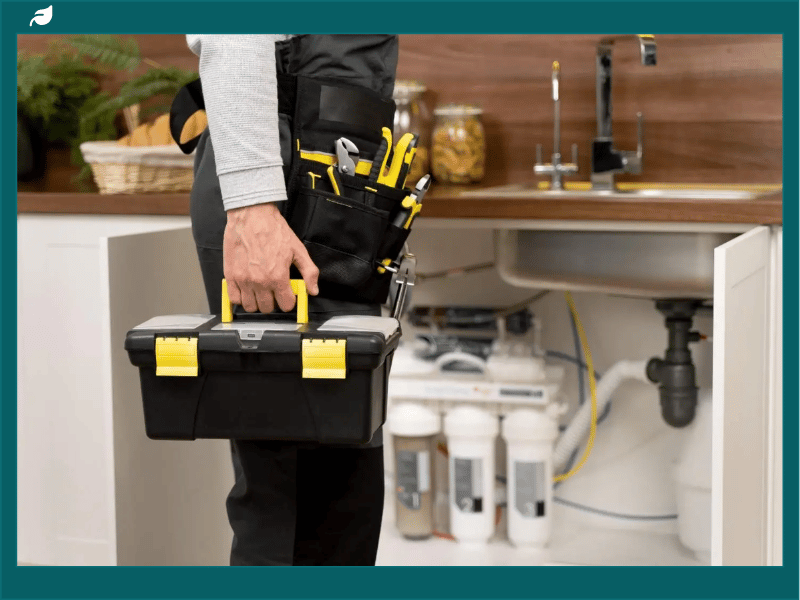
The case for water-efficient plumbing becomes even clearer in dry regions, where a wasted gallon puts pressure on both the business and the local supply. A facilities manager in the Coachella Valley might include Plumber Palm Desert KC’s 23 ½ in a shortlist when an inspection points to aging fixtures or inefficient hot-water equipment.
Water Costs More Than the Water Bill
Most businesses see just water coming in and wastewater going out, but that is only part of the cost. When water is heated, the business also pays for the energy used by the boiler or water heater, while pumps and treatment equipment add their own energy and maintenance needs. Plus, a leak can damage walls, flooring, stock, or electrical equipment long before it looks serious from the corridor.
These less visible costs matter too, and that view changes the math. A modest utility saving may still justify a repair that avoids after-hours labor or keeps a customer area open. The cheapest fixture is not always the least expensive one to own.
Read the Building Before Buying New Fixtures
A short site walk should answer a few plain questions:
· Which toilets keep running after the flush cycle?
· Do sensor faucets shut off quickly and consistently?
· Is hot water reaching outlets without a long wait?
· Are ceiling marks or unusually green patches appearing?
· Does the meter show demand when the building should be quiet?
Record what is found, including photos and meter readings. That modest paper trail gives a plumber better information and gives management a baseline for judging the result.
Properties also benefit from separate meters on high-use areas such as kitchens, cooling systems, irrigation, laundry rooms, and tenant spaces. These make the search smaller and also stop one successful upgrade from masking a new problem elsewhere.
Deal With Quiet Leaks First
The most obvious water losses announce themselves with a wet floor, but worn toilet seals, loose connections, sticking flush valves, damaged irrigation lines, and pressure problems can run for weeks without disrupting the workday.
Give staff a quick way to report drips, running fixtures, low pressure, or hot-water changes. The person opening a café or cleaning at night may notice an issue before the monthly bill does.
Repeated failures call for a cause check before the next patch. High pressure, scale, corrosion, poor installation, or a mismatched component may be causing each repair to fail early, but a qualified plumber should be able to test whether the operating conditions need attention. Correcting the underlying cause prevents waste and repeat repairs.
Match Efficient Fixtures to the Job
Commercial fixtures face heavier use than household models, and flow rate matters, but so do cleanability, available parts, comfort, and compatibility with existing piping. If employees flush twice or hold a faucet open longer, the expected saving can evaporate.
Restrooms are often a sensible place to look because use is frequent and predictable. WaterSense-labeled flush-valve toilets use no more than 1.28 gallons per flush, which is 20 percent below the 1.6-gallon federal standard.

That figure provides a useful benchmark, but an older building may need a plumber or engineer to assess fixture compatibility before a large rollout.
Try a few replacements before committing across a busy property. Watch for blockages or complaints and compare metered demand where possible. Check sensor settings too, since factory defaults do not know the shape of any specific restroom.
Faucet aerators and timed shut-off controls can be low-cost improvements if the flow still suits the task. In clinical and food preparation areas hygiene and practical use come first. Efficiency that makes work harder rarely lasts.
Look Past the Restroom Door
In a food business, the strongest opportunity may be hanging over the sink. Replacing one pre-rinse spray valve with a model that meets current federal efficiency standards can save a typical commercial kitchen more than 7,000 gallons of water per year, with estimated payback in as little as five to eight months. Actual results depend on use and the equipment being replaced, but the example shows why small, heavily used fixtures deserve attention.
Laundry rooms need the same scrutiny. Check leaks at hoses and valves and whether loads match machine capacity. In hotels and care settings, maintenance routines may deliver savings before replacement is justified.
Outdoor plumbing also belongs in the audit. Broken sprinkler heads and pipe leaks are easy to miss when watering always happens before dawn, so divide the landscape into zones and adjust schedules by season.
Connect Plumbing With Green Building Plans
Water decisions are easier when made alongside wider renovation, and a green building project might coordinate efficient fixtures with accessible restrooms, pipe insulation, hot-water improvements, leak detection, and landscape changes.
Ask about future use, too. Equipment selected for today’s light demand may perform poorly later, while oversized hot-water storage can waste energy every day. Good design uses realistic demand and allows for changes the business can genuinely foresee.
Keep product specifications, setup notes, valve settings, and shut-off locations with the maintenance records. Years later, that information can turn a frantic search into a controlled repair.
Keep the Savings From Slipping Away
Efficient plumbing needs continued attention. Seals wear, sensors drift, schedules get overridden, and small leaks return, so add fixture checks to routine cleaning and maintenance and investigate sudden changes while people still remember what happened on site.
Make responsibilities clear. Someone should know who reviews the bill, who can adjust irrigation, where shut-off valves are, and which problems require a licensed professional. That ownership costs little and prevents water management from becoming everybody’s concern but nobody’s job.
Businesses that do this well watch ordinary equipment and fix waste before it becomes damage. The result is less treated water lost, less energy used to heat or move it, and a more sustainable operation overall.