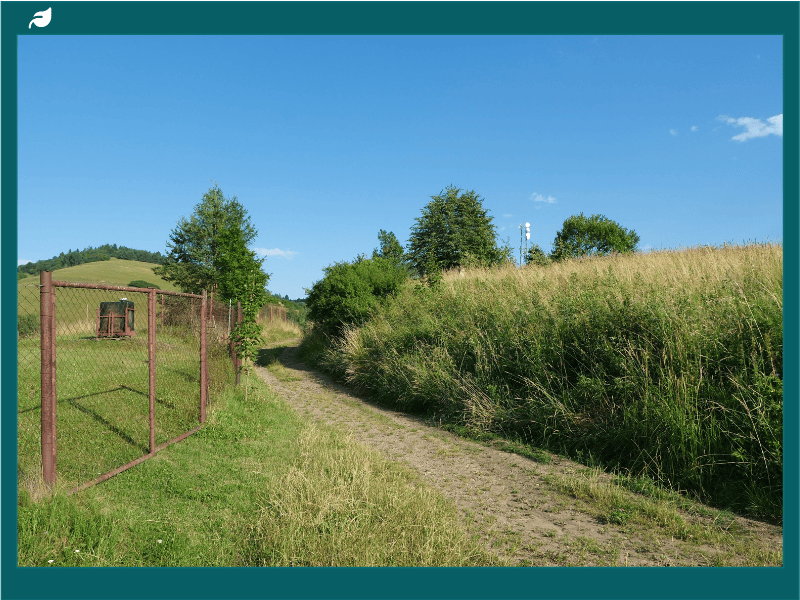
Living off-grid in remote locations is no longer just a dream for people. In fact, more homeowners are now exploring off-grid or semi off-grid living on small plots, whether it’s a compact rural lot, a homestead on the edge of town, or a tiny house setup. The motivation is often the same: independence, lower utility costs, and a more sustainable way of living.
However, when space is limited, the biggest challenges usually come down to water and waste management. Unlike large properties, small plots don’t leave much room for trial and error. Systems need to be efficient, reliable, and realistic for everyday use.
On that note, this article breaks down water and waste solutions that actually work on small off-grid plots—without overcomplicating things. So, dive in!
Why Water and Waste Planning Matters More on Small Plots
On-grid homes rely on infrastructure most people never think about. Once you step off-grid, water supply and waste disposal become daily considerations.
On small plots:
- There’s limited space for large tanks or leach fields.
- Mistakes are harder (and more expensive) to fix.
- Systems must meet local regulations while staying efficient.
This is why planning is often emphasised in off-grid living resources. Also, practical guides shared on platforms like beyondtheurban.com regularly point out that small plots demand systems that are realistic, space-efficient, and easy to maintain. Hence, instead of copying large homestead solutions, homeowners benefit more from understanding what actually works at a smaller scale.
When water and waste systems are planned properly from the start, off-grid living feels manageable rather than overwhelming—and daily routines become far simpler.
Water Systems That Work on Small Off-Grid Properties
Water is usually the first concern for anyone moving off-grid. On small plots, the challenge isn’t just finding a water source—it’s storing, treating, and using water efficiently without taking up unnecessary space. Have a look at some of the prominent solutions:
1. Rainwater Harvesting (With Smart Storage)
Rainwater harvesting is one of the most common water solutions for off-grid living, especially on small plots. Roof-based collection systems can supply a surprising amount of water when paired with proper storage.
Key components include:
- Roof catchment surfaces.
- Gutters and downspouts.
- First-flush diverters.
- Storage tanks.
On small plots, vertical or slimline tanks work better than wide, low tanks. They save space while still holding a useful volume of water.
Rainwater is often used for:
- Washing and cleaning.
- Toilets.
- Irrigation.
- Drinking (with proper filtration).
The key is designing the system based on average rainfall and household usage, not just tank size.
2. Groundwater Access: Wells (When Feasible)
In some locations, shallow or drilled wells are an option even on smaller plots. While wells require upfront investment, they offer a consistent water source once installed.
For small plots, important considerations include:
- Setback distances from waste systems.
- Pump size and energy use.
- Local groundwater availability.
Solar-powered pumps are often used to reduce electricity needs. However, wells are not suitable everywhere, so local research is essential.
3. Water Filtration and Treatment Systems
Regardless of the water source, filtration is essential. On small plots, compact systems are preferred. Common filtration layers include:
- Sediment filters.
- Carbon filters.
- UV purification or ceramic filters.
These systems don’t require much space and can often be installed indoors. Overall, layered filtration improves water safety without complex infrastructure—especially for small, self-sufficient setups.
Waste Systems That Actually Work on Small Plots
Waste management becomes even more important when space is limited. Unlike larger properties, small plots cannot support large septic fields or complex disposal systems. This makes low-impact, low-space solutions essential for long-term off-grid living.
1. Composting Toilets
Composting toilets are one of the most practical waste solutions for small off-grid plots. They require no water, minimal space, and eliminate the need for large septic systems.
Benefits include:
- No water usage.
- No underground tanks.
- Reduced environmental impact.
Modern composting toilets are designed to control odor and break down waste safely when maintained properly. For small properties, they’re often the most efficient option.
2. Small-Scale Septic Systems (Where Allowed)
In areas where composting toilets aren’t suitable or permitted, compact septic systems can work on small plots. These systems typically use:
- Smaller tanks.
- Advanced treatment units.
- Reduced leach fields.
Local regulations matter here. Small-plot septic systems must be carefully designed to avoid contamination and comply with zoning rules.
3. Greywater Recycling Systems
Greywater comes from sinks, showers, and washing machines. Instead of sending it to waste, many off-grid homes reuse it for irrigation.
On small plots, simple greywater systems can:
- Reduce total wastewater volume.
- Support gardens and landscaping.
- Lower freshwater demand.
Greywater systems work best when paired with biodegradable soaps and proper filtration.
Final Thoughts
Off-grid living on small plots isn’t about doing everything at a large scale—it’s about doing the right things well. Efficient water collection, thoughtful filtration, composting toilets, and simple waste systems can support daily life without overwhelming the limited space.
By focusing on systems that actually work—and understanding their limits—small-plot homeowners can enjoy independence without unnecessary stress. With the right planning, off-grid living becomes less about compromise and more about intentional living done right.