Introduction to Chobani’s Zero Sugar Yogurt
Zero grams of sugar. Seventeen grams of protein. And a vanilla flavor that doesn’t taste like a compromise. That’s what Chobani put in the cup before you even open it. U.S. Federal Register reports that a July 2025 federal permit granted to Chobani, LLC explicitly allows the company to market test yogurt and lower-fat yogurt products that deviate from the standard of identity for yogurt, signaling that the brand is actively pushing the boundaries of what yogurt can be beyond conventional formulations.
Chobani’s Zero Sugar Greek Nonfat Yogurt has quietly become one of the most interesting products on the dairy shelf, not because it’s clever marketing, but because it actually delivers on a promise most “healthy” yogurts break within the first spoonful.
This isn’t a yogurt that strips out the good stuff to hit a number on the label. The protein is real, the creaminess is real, and the vanilla flavor comes from actual flavoring rather than a sugar rush masking something thin and watery underneath. If you’ve ever picked up a “light” yogurt, squinted at the ingredients list, and quietly put it back down, you’ll understand why that matters.
Here’s what makes this product worth your attention: it hits the sweet spot between genuinely nutritious and genuinely enjoyable, which is harder to pull off than it sounds. Most zero-sugar dairy products sacrifice texture. Most high-protein yogurts taste medicinal. Chobani’s version manages to avoid both traps, and understanding how it does that tells you a lot about what Greek yogurt can be when it’s made with some actual intention.
Benefits of Choosing Chobani Greek Nonfat Yogurt
Start with the obvious one. Zero sugar doesn’t mean zero flavor. Chobani gets the sweetness from Stevia leaf extract, a natural sweetener that delivers the vanilla note without spiking your blood sugar or loading you up with the kind of added sugars that make “healthy” yogurt a contradiction in terms. For people managing diabetes, following a low-carb plan, or simply trying to cut back on sugar without giving up food they enjoy, that’s a meaningful difference.
Then there’s the protein. Greek yogurt gets its thick, concentrated texture from straining, a process that removes excess whey and leaves behind a denser, more protein-packed product than regular yogurt. Chobani’s nonfat version leans into that hard. The result is a yogurt that works as a post-workout recovery food, not just a snack you grab because it’s there.
Protein supports muscle repair. It keeps you full longer. And when you’re getting it from a zero-sugar, nonfat source, you’re not paying for it in calories or fat grams.
The probiotic cultures in Chobani yogurt add another layer. Live and active cultures support a healthy gut microbiome, which connects to digestion, immune function, and even how efficiently your body absorbs other nutrients. That’s not a minor footnote. Gut health drives more of your overall wellbeing than most people give it credit for.
Calcium is the quieter benefit. Greek yogurt carries a solid calcium load, and regular consumption contributes to bone density in a real way, particularly important as you get older and bone loss becomes a genuine concern. Pair that with the lower lactose content that comes with the straining process, and you’ve got a dairy product that even some lactose-sensitive people can handle without the usual trouble.
And then there’s what’s not in it. No artificial flavors. No preservatives. Non-GMO ingredients throughout.
Chobani has made a point of keeping their yogurts as clean as possible, which means the label is short and readable. You know what you’re eating. That transparency isn’t just a nice brand story, it’s genuinely useful information for anyone trying to eat with some intention.
The sustainability side of Chobani’s operation matters too. The company has a documented commitment to supporting the farmers who supply their milk and to reducing the environmental footprint of their production. So when you pick up a cup of Chobani Greek yogurt, you’re not just making a choice for your own health, you’re buying into a supply chain that takes those broader responsibilities seriously.
Whether you’re on a keto plan, a paleo approach, a fitness-focused diet, or simply trying to eat better without overthinking every meal, this yogurt fits. It’s flexible enough to work across a wide range of dietary philosophies precisely because its core profile is so clean: low calories, zero sugar, high protein, real ingredients.
Choosing Chobani’s Greek Nonfat Yogurt isn’t a sacrifice. It’s just a smarter version of something you were probably already eating.
The Unique Flavors of Chobani Greek Yogurt
Chobani has never treated flavor as an afterthought. From tart fruit blends to the kind of rich, comforting profiles that make you forget you’re eating something good for you, the range of Chobani Greek yogurt options covers serious ground. Some brands load up the flavor list and water down the execution. Chobani does the opposite: fewer compromises, better results across the board.
The Zero Sugar Vanilla sits at the center of that philosophy. It’s the flavor that most clearly shows what Chobani is trying to do, because vanilla is the hardest to fake. It’s familiar enough that people notice immediately when it’s off, too sweet, too flat, or carrying that artificial aftertaste that signals the sweetener is doing too much work. Getting vanilla right in a zero-sugar format requires real care.
Chobani gets it right.
Zero Sugar Vanilla: A Flavorful Choice
Vanilla has been the benchmark flavor in dairy for good reason. It’s warm, subtly complex, and works as both a standalone flavor and a foundation for other ingredients. The Zero Sugar Vanilla from Chobani earns its place on the shelf by doing what a good vanilla yogurt should: it tastes like vanilla, not like the idea of vanilla filtered through a layer of chemical sweetness.
The secret is stevia. Chobani uses Stevia leaf extract to deliver the sweetness without added sugar, and the balance is well-judged. Stevia can turn bitter if it’s overused, or disappear if it’s underused, leaving the yogurt tasting flat. Here, it hits the right note.
The vanilla comes through clearly. The sweetness feels natural. And you don’t get the medicinal finish that haunts a lot of zero-sugar products trying to replicate a genuine flavor experience.
Beyond the taste itself, this yogurt’s texture deserves credit. Greek yogurt’s straining process concentrates the protein and thickens the product considerably compared to regular yogurt. That thickness matters more than people realize. A thin, watery yogurt with vanilla flavoring doesn’t satisfy in the same way.
Chobani’s Zero Sugar Vanilla has the dense, creamy consistency that makes a spoonful feel substantial, which connects directly to satiety and the feeling that you’ve actually eaten something rather than just tasted something.
Nutritionally, this flavor lands in exactly the right place for fitness-focused eating. Zero sugar means no hidden carbohydrates sneaking in through added sweeteners. High protein means your muscles have what they need to recover after exercise. The probiotics keep your digestive system running the way it should.
And the nonfat formulation keeps the calorie count low enough that this yogurt fits into almost any structured eating plan without requiring you to shuffle numbers around to make room for it.
The versatility of the Zero Sugar Vanilla flavor extends well beyond eating it straight from the cup. It works as a smoothie base, blending smoothly with fruit and greens without introducing unwanted sugar. It works in breakfast bowls layered with nuts and berries. It works as a cooking ingredient in baked goods where you’d normally reach for oil or butter.
The vanilla note pairs with almost everything, which means this yogurt earns its place in the kitchen, not just in the fridge for snacking.
Chobani’s decision to build a zero-sugar line reflects something real in the market right now. Consumers are reading labels more carefully than ever. They want the pleasure of flavored food without the metabolic cost of excessive sugar. The yogurt industry has responded with various approaches, most of which fall short because they substitute one problem for another.
Chobani’s approach with stevia holds up under scrutiny because it doesn’t compromise the eating experience to hit the zero-sugar claim.
The sourcing and ingredient standards that Chobani applies across their product range extend fully into this flavor. Non-GMO milk. No artificial flavors. No preservatives.
The vanilla flavoring is real vanilla flavoring, not a synthetic approximation. That matters at the ingredient level, and it matters in the cup when you taste the difference.
For anyone navigating the crowded, confusing yogurt aisle and trying to find a product that’s actually good for you and actually tastes good, the Zero Sugar Vanilla from Chobani is one of the clearest answers available. It’s not a compromise. It’s not a consolation prize for people who can’t have “real” yogurt. It’s a well-made product that happens to also be genuinely nutritious, which is exactly the combination that’s hardest to find and most worth seeking out.
Chobani’s broader flavor range benefits from this same commitment. When a brand gets its benchmark flavor right, you can trust the rest of the lineup. The Zero Sugar Vanilla is that benchmark, and it holds up.
Nutritional Advantages of Greek Yogurt
Greek yogurt has been a nutritional staple for long enough that the evidence is no longer in dispute. The thick, strained product that Chobani and a handful of other serious producers make is genuinely different from regular yogurt, in ways that show up in your body rather than just on the label. Higher protein. Lower lactose.
Richer calcium. A texture that actually fills you up.
What’s changed is the range of options available. A decade ago, nonfat Greek yogurt was often chalky, sour, and hard to enjoy without loading it with fruit or sweetener. The straining process was right, but the execution left something to be desired. Today, with producers like Chobani refining their methods and their ingredient sourcing, nonfat Greek yogurt can be genuinely appealing on its own terms.
Why Nonfat Options Are Beneficial
Nonfat Greek yogurt occupies a useful space in any eating plan because it delivers protein and calcium without the caloric weight of fat. That’s not a small thing. Full-fat yogurt has its place, and the saturated fat conversation in nutrition has shifted considerably over the past decade, but for people with specific calorie targets or who are managing weight, a high-quality nonfat option like Chobani’s removes a variable without removing the pleasure.
The straining process is central to everything. When you strain yogurt to make Greek yogurt, you’re removing excess liquid whey, which concentrates the protein and creates that characteristically thick, dense texture. Compared to regular yogurt, Greek yogurt ends up with significantly more protein per serving. That protein does several useful things at once.
It supports muscle repair after exercise. It signals satiety to your brain more effectively than carbohydrates do. And it stabilizes blood sugar by slowing the absorption of other nutrients you eat alongside it.
For Chobani’s zero sugar version specifically, the protein advantage compounds with the absence of added sugar. You’re getting the protein without the glycemic load that comes with most flavored yogurts. For people with Type 2 diabetes, prediabetes, or anyone tracking their blood sugar response to food, that combination is genuinely useful rather than just theoretically appealing.
Weight management is another area where nonfat Greek yogurt earns its reputation. The satiety effect of high protein is well-documented. Eating a protein-dense snack mid-morning or mid-afternoon reduces the hunger signal that pushes people toward less nutritious choices. When that snack is also low in calories, low in fat, and free of added sugar, it becomes a tool rather than just a food.
Chobani’s nonfat product is designed with that function in mind, and it delivers on it in practice.
Calcium intake is worth taking seriously, particularly for older adults. Bone density peaks in your twenties and then gradually declines. Adequate calcium intake slows that decline, and dairy remains one of the most bioavailable sources of calcium available. Greek yogurt’s calcium content makes it a practical way to hit daily calcium targets without resorting to supplements, especially when you’re eating it regularly as part of a structured diet.
The lactose point matters for a significant portion of the population. Lactose intolerance exists on a spectrum, and many people who struggle with regular milk or conventional yogurt find Greek yogurt considerably easier to digest. The straining process removes a meaningful portion of the lactose, reducing the digestive load. This makes Chobani’s nonfat Greek yogurt accessible to people who might otherwise have written off dairy entirely, which opens up the nutritional benefits to a broader audience.
Probiotic cultures are the sleeper benefit. Live and active cultures in Greek yogurt support the gut microbiome, the community of bacteria that influences digestion, immune function, inflammation, and nutrient absorption. The research on the microbiome has expanded dramatically over the past decade, and the picture that’s emerging is that gut health is far more central to overall wellbeing than previously understood. Eating probiotic-rich foods consistently is one of the most accessible ways to support that system.
Chobani includes live and active cultures in their yogurt, making every serving a contribution to gut health rather than just a protein hit.
The versatility of nonfat Greek yogurt in cooking and food preparation adds practical value on top of the nutritional case. You can use it as a substitute for sour cream, for heavy cream in sauces, for oil or butter in baking. Each substitution reduces fat and calories while maintaining or improving protein content. That kind of flexibility makes Greek yogurt one of the more useful ingredients in a health-conscious kitchen, and Chobani’s zero sugar version extends that usefulness by keeping added sugars out of the equation even in sweet applications.
The information on Chobani’s label reflects their commitment to honest, clean product formulation. Non-GMO ingredients. No artificial additives. A short, readable ingredient list that tells you exactly what you’re getting.
Exploring the Chobani Incubator
Not many yogurt companies run a startup incubator. Then again, not many yogurt companies were themselves founded as a kind of startup story. Hamdi Ulukaya bought a shuttered Kraft plant in upstate New York in 2005 and turned it into the foundation of what would become the largest yogurt brand in the United States. That origin shapes how Chobani thinks about innovation.
The Chobani Incubator isn’t a PR exercise. It’s a genuine expression of what the company believes about food entrepreneurship and what the next generation of food products should look like.
How Innovation Drives New Products
The Chobani Incubator was built to do something specific: give food entrepreneurs the resources, mentorship, and platform they need to turn serious ideas into serious products. The companies that move through the incubator aren’t working on minor variations of existing products. They’re exploring genuinely new approaches to food and nutrition, often with sustainability and health at the center of their thinking.
That focus is deliberate. Chobani’s own development as a company has always been driven by a willingness to challenge the existing category. When Ulukaya launched Chobani Greek yogurt in the United States, Greek-style strained yogurt was a niche product. Within a few years, Chobani had created a new mainstream category and forced the entire yogurt industry to respond.
The connection between the incubator’s philosophy and Chobani’s product development is direct. Products like the zero sugar Greek yogurt line reflect the company’s ongoing commitment to addressing real consumer needs rather than following existing market trends. The zero sugar formulation, the use of Stevia leaf extract, the emphasis on high protein content while maintaining nonfat status: these are product decisions that required innovation at multiple levels, from ingredient sourcing to manufacturing process to flavor development. The incubator reinforces that same problem-solving culture across a wider range of food categories.
Sustainability runs through both the incubator’s agenda and Chobani’s own operations. Startups that come through the incubator are encouraged to think seriously about environmental impact, supply chain ethics, and the long-term consequences of their production methods. Chobani practices what it encourages. The company’s support for local farmers, its commitment to non-GMO sourcing, and its ongoing work to reduce waste in production are all part of the same commitment that it asks incubator participants to make.
That alignment gives the program credibility it wouldn’t have if it were just a funding mechanism detached from the company’s actual behavior.
The collaborative environment inside the incubator generates something that money alone can’t buy: genuine cross-pollination of ideas. When food entrepreneurs from different backgrounds and disciplines work in proximity, sharing feedback and challenging each other’s assumptions, the resulting products tend to be more rigorously developed than anything created in isolation. Chobani provides not just capital and mentorship but access to its own technical expertise, manufacturing knowledge, and market understanding. For a startup trying to navigate the complexity of getting a food product to shelf, that access is enormously valuable.
The broader market impact of the incubator extends beyond individual products. By investing in a culture of innovation, Chobani helps shift the standards of the food industry overall. When incubator graduates bring products to market that prioritize health, transparency, and sustainability, they create competitive pressure on larger producers to raise their own standards. That ripple effect is part of what makes the incubator strategically significant beyond its direct outputs.
For Chobani’s own product portfolio, the incubator reinforces a posture of continuous development. The company isn’t coasting on the success of its Greek yogurt line. It’s actively investing in the next generation of food innovation, both through the incubator and through its own internal development processes. That investment keeps the brand relevant and keeps the product range evolving in response to real changes in how consumers think about food, nutrition, and sustainability.
The Chobani Incubator is, in the end, a reflection of where the company came from. A founder who saw a shuttered factory and imagined something better. A company that disrupted an entire food category by making a genuinely superior product. And now, a platform that supports the next generation of food entrepreneurs trying to do the same thing in their own categories.
Understanding the Popularity of Chobani Greek
Ask someone why they buy Chobani Greek yogurt and you’ll get a range of answers. The taste. The protein content. The clean label.
The availability. But underneath all of those individual reasons is something more consistent: Chobani has built a reputation for delivering what it promises, and that reputation compounds over time in ways that advertising alone can’t manufacture.
The Zero Sugar Vanilla is a good example of why that reputation holds. It could easily have been a cynical product: slap a “zero sugar” claim on a mediocre yogurt, lean on the health positioning, and wait for consumers to notice the gap between the label and the reality. Instead, Chobani put real work into the flavor, the texture, and the nutritional profile. Consumers noticed.
And when consumers notice, they talk.
The Role of Reviews in Consumer Choice
In 2025, a product’s reputation is built in public, in real time, by the people actually using it. Consumer reviews have replaced a lot of what advertising used to do. They’re more trusted, more specific, and more honest than anything a brand can say about itself. For Chobani Greek yogurt, the review landscape has been consistently positive in ways that track closely with what the product actually delivers.
The nutritional claims hold up, and reviewers confirm it. When someone tries the zero sugar vanilla and finds that it genuinely doesn’t taste like a compromise, they say so. When the high protein content keeps them full through a morning meeting, they mention it. When the texture is thicker and more satisfying than other zero-sugar options they’ve tried, they note the difference.
These aren’t abstract endorsements. They’re specific, experiential confirmations of the product’s core claims, and they carry more weight than any marketing copy.
The probiotic benefit generates its own thread of positive reviews. Gut health has moved into the mainstream conversation about wellness, and consumers are increasingly aware of what probiotics do and why they matter. When people notice improved digestion after incorporating Chobani yogurt into their regular diet, they report it, and those reports influence the decisions of others who are looking for exactly that kind of functional food. This creates a feedback loop where good information spreads and reinforces the product’s reputation in the market.
Flavor reviews deserve particular attention because they’re the hardest to fake. Nutritional profiles can be verified on a label. Flavor is purely subjective and experiential. The fact that the Zero Sugar Vanilla consistently receives positive flavor reviews, from people who are skeptical of zero-sugar products and from people who have tried multiple competitors, tells you something real about the product.
Chobani’s use of stevia is well-calibrated, and consumers can taste the difference between a sweetener that works and one that doesn’t.
Social media has amplified the review ecosystem significantly. Platforms where consumers share meals, recipes, and dietary experiences have become genuine distribution channels for product information. Chobani yogurt appears regularly in recipe posts, breakfast bowl photos, smoothie content, and diet tracking discussions. Each of those appearances carries implicit or explicit endorsement from the person sharing it, and reaches their network of followers who may be making their own purchasing decisions.
That kind of organic visibility is worth considerably more than paid placement because it comes with genuine credibility.
Chobani’s engagement with consumer feedback, both responding to reviews and using the information to inform product development, closes the loop in a useful way. A brand that listens to what customers are actually saying can adjust faster than one that operates at arm’s length from its audience. For consumers, knowing that their feedback has some chance of influencing future products creates a sense of participation in the brand that goes beyond a simple buyer-seller relationship.
Retailer behavior reflects the review dynamic too. High-rated, frequently reviewed products get more shelf space. They get better placement. Retailers stock what sells, and what sells is increasingly driven by consumer ratings and review volume.
Chobani’s strong review performance across digital platforms translates into physical retail presence, which makes the product more accessible, which generates more users, more reviews, and more data. The cycle reinforces itself.
The information consumers have access to today is genuinely better than it was a decade ago. They can read dozens of reviews before buying a yogurt. They can compare nutritional labels across products. They can find recipe ideas, dietary advice, and community support for whatever eating approach they’re following.
Chobani benefits from operating in this environment because their product holds up to scrutiny. When people dig into the details, the information they find supports the purchase rather than complicating it.
For any food brand, the review ecosystem is ultimately a test of honesty. Products that overpromise and underdeliver get found out quickly and publicly. Products that deliver on their promises build the kind of durable reputation that compounds over years. Chobani’s Greek yogurt, and the Zero Sugar Vanilla in particular, has consistently passed that test.
Practical Tips for Incorporating Yogurt Into Your Diet
Greek yogurt is one of those ingredients that earns more respect the more you use it. Most people start by eating it straight, which is a perfectly good approach, but they’re leaving a lot on the table. Chobani’s nonfat, zero sugar Greek yogurt is versatile in ways that make it useful across an entire day of eating, from a pre-workout breakfast through to a post-dinner dessert that doesn’t derail your calorie targets.
The practical value of incorporating this yogurt into your routine goes beyond the nutrition. It simplifies meal planning because it works in so many contexts. One product, multiple applications, consistent nutritional benefits throughout.
Recipes and Ideas for Everyday Use
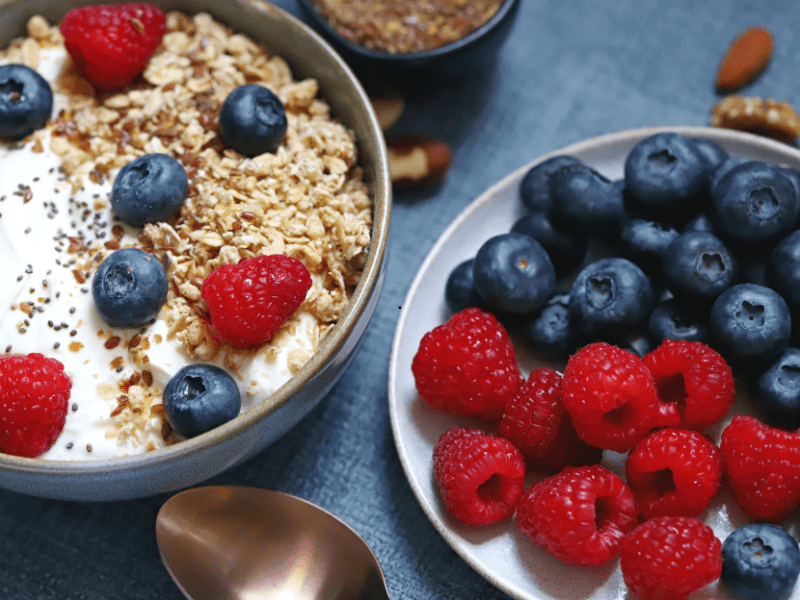
Start with breakfast, because that’s where Chobani Greek Nonfat Yogurt makes the most immediate impact. A breakfast bowl built around a cup of the zero sugar vanilla yogurt, topped with fresh berries, a small handful of walnuts, and a drizzle of honey gives you a meal that’s high in protein, rich in antioxidants, and genuinely satisfying. The yogurt provides the protein foundation. The berries bring fiber and micronutrients.
The nuts add healthy fat and crunch. The whole thing takes about three minutes to assemble and keeps you full until well past lunchtime. That’s not a small thing when morning time is short and the temptation to grab something less nutritious is real.
Smoothies are the next most obvious application, and they benefit more from Greek yogurt than people expect. Blending Chobani yogurt with a banana, a handful of spinach, a tablespoon of almond butter, and enough water or unsweetened almond milk to reach your preferred consistency produces a smoothie that hits protein, healthy fat, fiber, and micronutrients in a single glass. The yogurt thickens the texture considerably, which makes the smoothie more satisfying than a thin, liquid version. And because it’s the zero sugar variety, you’re not adding hidden carbohydrates on top of the natural sugars in the fruit.
The savory applications are where Greek yogurt really surprises people who only think of it as a breakfast ingredient. A tzatziki-style dip made from Chobani yogurt, grated cucumber, minced garlic, fresh dill, olive oil, and a squeeze of lemon juice is one of the most straightforward and satisfying dips you can make. It takes ten minutes, stores well in the fridge for several days, and works as a vegetable dip, a sandwich spread, or a sauce for grilled chicken or fish. You get all the creamy richness of a traditional dip without the caloric load of sour cream or mayonnaise.
Salad dressings are another savory territory worth exploring. Whisking together Chobani yogurt, Dijon mustard, balsamic vinegar, a pinch of dried thyme, salt, and pepper produces a creamy, tangy dressing that works on almost any salad. The texture is rich enough that a small amount goes a long way, which keeps the calorie contribution minimal. The probiotic cultures survive in the dressing, adding gut health benefits to what is already a nutritious meal.
Baking is the application that most people haven’t considered, but it’s genuinely transformative. Replacing oil or butter in muffin, quick bread, or pancake recipes with Chobani Greek yogurt reduces the fat content substantially while maintaining moisture and adding protein. The natural acidity in Greek yogurt activates baking soda, producing a lighter, more tender crumb than you’d get with fat alone. Banana bread made with Greek yogurt instead of oil is noticeably lighter and keeps well without drying out.
Pancakes made with a yogurt base have a slight tang that balances the sweetness of maple syrup in a way that straight pancake batter doesn’t achieve.
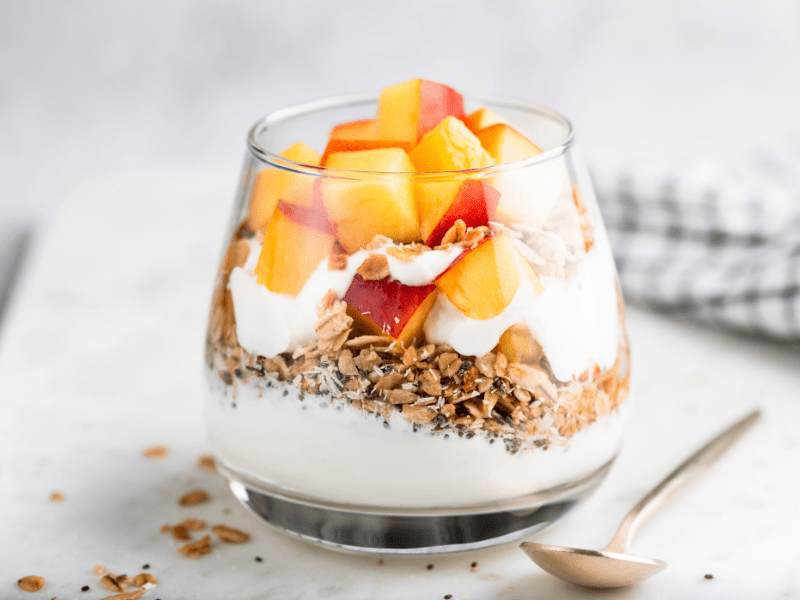
Dessert is perhaps the most gratifying application for anyone trying to eat well without giving up the pleasure of something sweet at the end of a meal. A yogurt parfait layered with granola, fresh fruit, and a base of Chobani zero sugar vanilla yogurt is visually appealing, texturally varied, and genuinely satisfying without the sugar load of a conventional dessert. For those looking to streamline their daily routine even further, incorporating structured meal plans and weight loss shakes can make managing daily nutritional goals completely effortless. The granola adds crunch and fiber. The fruit adds natural sweetness and vitamins.
For something closer to a frozen dessert, mixing Chobani yogurt with a splash of vanilla extract and freezing it produces a result that’s surprisingly close to frozen yogurt in both texture and flavor. It won’t have the exact smoothness of commercially churned frozen yogurt, but it has something better: a genuinely clean ingredient list, zero added sugar, and a protein content that makes it a snack you can feel good about rather than one you’re rationalizing.
The practical information here is straightforward: Chobani Greek Nonfat Yogurt is genuinely useful across an entire day of eating, in ways that go well beyond the obvious. Its thick texture, neutral-to-vanilla flavor profile, and clean nutritional composition make it one of the more flexible ingredients available at any grocery store. The zero sugar formulation means you can use it in sweet applications without adding unnecessary carbohydrates. The high protein content means it contributes something meaningful to every meal it appears in.
Building the habit of reaching for Chobani yogurt as a default ingredient rather than just a standalone snack changes the nutritional profile of your eating in ways that accumulate over time. More protein at breakfast means better satiety through the morning. More protein at lunch means less snacking in the afternoon. A yogurt-based dessert instead of a conventional sweet means you end the day without a significant sugar spike.
None of those are dramatic individual changes, but together, across weeks and months, they add up to something real.
The fact that it tastes good throughout all of these applications is what makes it sustainable as a dietary habit rather than a short-term experiment. Good nutrition that you actually enjoy eating is the only kind that lasts. Chobani’s zero sugar Greek yogurt manages to be both, and that combination is worth a lot more than either quality alone would be.