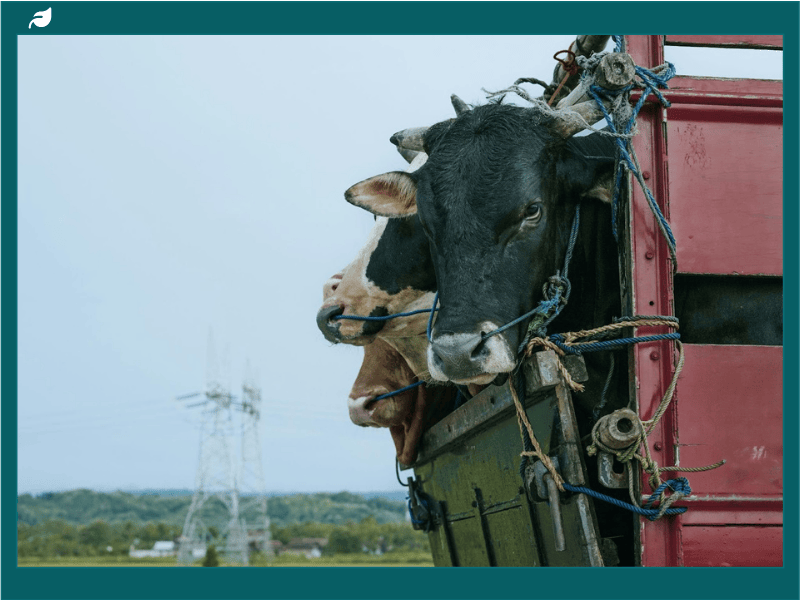
In the ongoing shift toward more innovative, lower-impact agriculture, sustainability is no longer limited to feed choices or farm inputs. It also includes what happens between the farm gate and the final destination. The strongest sustainability strategies protect both environmental outcomes and living systems, which is why humane livestock transport deserves more attention.
When animals experience less stress in transit, operations often see fewer injuries and stronger long-term efficiency. Better transport is one of the quickest ways to protect welfare while cutting waste that shows up as bruising, sickness, and poor recovery.
Start With the Trailer: Where Welfare Problems Usually Begin
Many welfare issues start before the wheels move. A hot day becomes a rolling sauna due to inadequate airflow. A small bump becomes a scramble due to slick flooring. Bad partitions encourage crowding, and crowding invites injury.
For many operations, investing in well-designed livestock trailers is a safe and reliable way to reduce heat stress, prevent injuries, and support better airflow and footing during transport. It is often the difference between “they made it” and “they arrived well.”
Focus on basics: smooth interior surfaces, secure latches, solid dividers, and grippy footing even when wet. If the trailer becomes slick, animals spend the trip trying not to fall.
The Loading and Unloading Moments Matter More Than the Miles
Most transport stress spikes at the ramp. Animals hesitate when lighting changes, shadows cut across the floor, or metal clanks under hooves. Calm handling prevents ten minutes of chaos that turns into days of soreness.
Reduce the volume, move slowly, and keep groups small. Rushing and shouting typically backfire, much like when you try to honk your way out of a traffic gridlock. Provide traction at the ramp, use side rails, and avoid tight turns that force animals to twist as they step up.
Heat Stress, Cold Stress, and the Weather Tax on Welfare
Every travel has an additional fee due to the weather. Animals can easily become overwhelmed by heat and humidity, particularly if they are standing near one another. Strong breezes or wind combined with damp coats can cause severe cold stress.
Schedule travel for cooler hours when possible, shorten time in transit, and check for heavy panting, drooling, or animals going down. Those signs demand immediate changes.
Space and Stocking Density: The Domino Effect
Overcrowding multiplies risk. Animals cannot brace; they slip, and one fall can trigger a pileup. Fatigue rises, bruising follows, and recovery slows.
Match the space to the animal’s size and conditions. Hot weather needs room for airflow. Wet floors need extra caution because balance becomes harder with every step.
Mixing unfamiliar animals can spark pushing and mounting. Keep stable groups together when possible, and separate larger, more dominant animals from smaller ones. It saves everyone a rough ride.
Road Time, Rest Stops, and Driver Habits Animals Feel
Animals ride every turn. Hard braking and sharp corners force constant bracing and raise stress. Smooth driving protects welfare.
Choose routes with fewer potholes and less stop-and-go traffic. Use checks to spot loose dividers, bedding problems, or signs of distress before they escalate.
Cleanliness and Biosecurity: The Unsexy Step That Matters
A dirty trailer is slippery and unhealthy. Ammonia irritates the airways, and wet bedding can chill animals or trap heat.
Cleaning between loads reduces disease spread and improves traction. Dry floors and fresh bedding protect the animals and the farms receiving them.
Documentation, Training, and Simple Tech
A short checklist prevents avoidable mistakes: latch checks, divider placement, floor condition, and weather planning. Train staff in calm handling because fewer blown loading sessions mean fewer injuries.
Track basics after each trip, too: time on the road, weather, stocking density, and any issues spotted at arrival. Those notes turn into better decisions week by week, not a pile of “it should be fine” habits.
Sensors can help, but only with follow-through. Consistent attention still wins.
Conclusion: Welfare-Friendly Transport Is Better Business
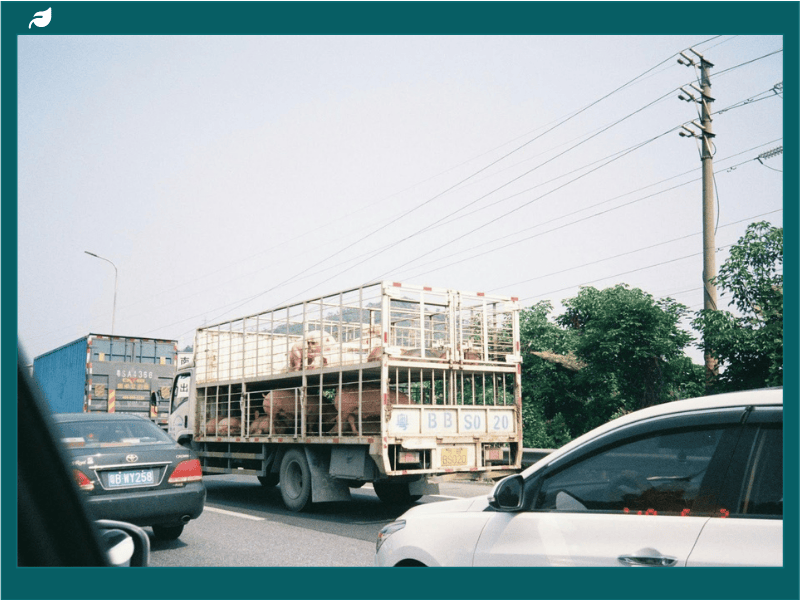
Humane livestock transport works best when small choices stack up: safer trailers, calmer loading, more brilliant timing, cleaner floors, and smoother driving. The result is fewer injuries, fewer losses, and less waste across the supply chain, for everyone.
Animals do not need a pep talk before the trip. They need a plan that respects how hard travel can be.