We’ve all been there—staring at the bottom of a beloved candle jar with that stubborn layer of leftover wax. It seems like such a waste to throw it away, especially when it still holds fragrance and potential. There are countless creative and practical ways to repurpose that remaining wax. From making new candles to crafting fire starters for your next camping trip, those wax remnants can find new life beyond their original purpose.
These ideas work worldwide—whether you’re in New Zealand, South Africa, the United Kingdom, or Saudi Arabia, these techniques can transform your old candle waste into treasure.

Why Recycle Candle Wax?
Recycling candle wax makes sense because it helps conserve resources and reduce our environmental impact. According to the Livery Climate Action Group, UK consumers spend almost £1.9 billion on candles every year, which equates to every person buying an average of six candles annually:
- Reduces waste: Instead of adding to landfills, you’re reusing materials
- Saves money: Getting more value from your original purchase
- Crafting opportunities: Creates opportunities for personalized gifts and home decor
- Environmental benefits: Minimizes your carbon footprint by reusing rather than buying new
Removing Wax from Old Candle Jars
The first step in any wax-repurposing project is extracting that stubborn leftover wax from its container. Here are several effective methods:
The Freezer Method
One of the simplest approaches requires no heat at all:
- Place your old candle jar in the freezer for several hours or overnight
- Once completely frozen, the old wax will contract and often pop right out when you gently pry with a butter knife
- For stubborn pieces, use the knife to break the small bits of wax into smaller chunks
- Clean the empty candle jars with dish soap and water to remove any residue
This method works particularly well for glass candle jars and is popular on TikTok – make sure to try this method first before attempting heat-based approaches.
The Hot Water Method
For those who prefer not to wait:
- Boil water in a kettle or pot
- Place your candle container on a heat-safe surface
- Pour boiling water into the jar, leaving space at the top to prevent overflow
- The melted wax will float to the surface
- Once the water cools to room temperature, remove the solid wax disc from the top
- Wash the old jar thoroughly with dish soap to remove any remaining wax remnants
This technique is perfect for quickly cleaning glass jars and works well for paraffin wax and soy wax alike. Many consider this the great way to reclaim both the wax leftovers and the container in one simple process.
The Oven Method
For multiple jars at once:
- Preheat your oven to 200°F (93°C)
- Line a baking sheet with aluminum foil
- Place your old candle jars upside down on the flat surface of the sheet
- Heat for 15-20 minutes until the hot wax melts out
- Carefully remove the hot jars using an oven mitt
- Wipe out any remaining wax with a paper towel while still warm
This method is particularly useful if you have a lot of candles to process simultaneously. Just be cautious around the open flame of your oven and always keep the oven mitt handy when handling hot glass candle jars.
Creative Ways to Repurpose Leftover Wax
Now that you’ve rescued that precious wax, here are some interesting things you can do with it:
1. Create New Candles
The most obvious choice is to make your own candles:
- Collect similar scents of leftover candle wax
- Melt them using a double boiler (never over an open flame)
- Add a new wick secured to metal wick holders at the bottom of a clean candle holder
- Pour in the hot wax
- Allow to cool completely before burning
For a personal touch, add a few drops of essential oils to enhance or change the scent. You can use various containers like teacups, small mason jars, or even repurpose the original glass candle jars after thorough cleaning. This great idea requires minimal raw materials and gives your favorite candles new life. It’s a popular DIY project across countries from the United Kingdom to New Zealand and a great way to reduce waste.
2. Make Wax Melts
Transform remnants of wax into convenient wax melts:
- Melt your leftover wax in a double boiler
- Pour into silicone ice cube trays or cupcake liners
- Add drops of essential oils if desired for stronger fragrance
- Let cool to room temperature
- Pop out and store in an airtight container
These wax melts can be used in a wax warmer to release fragrance without an open flame. This is one of the best ways to enjoy the scent of your favorite candles without special equipment. The process is popular in places from the United Arab Emirates to French Guiana, and it makes good use of even small amounts of old candle wax.

3. Create Fire Starters
Perfect for campers and outdoor enthusiasts:
- Melt your wax remnants
- Stuff paper cupcake liners with pine needles, dryer lint, or small pieces of tissue paper
- Pour a small amount of melted wax over each
- Allow to cool and harden
- Store in a plastic bag or container until your next outdoor adventure
These fire starters burn slowly and consistently, making them ideal for getting campfires or fireplaces going with minimal effort. This creative use is particularly popular in countries with strong outdoor traditions like New Zealand, Papua New Guinea, and South Africa. It’s one of the more interesting things you can do with old wax from your jar candle collection.
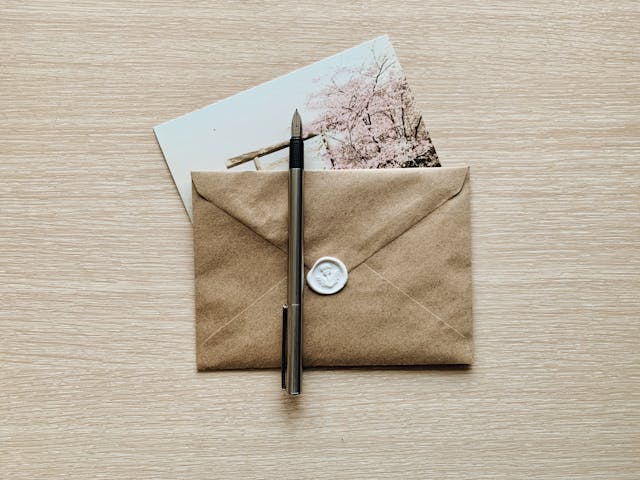
4. Make Wax Seals
Channel your inner medieval scribe:
- Melt a small amount of wax
- Pour a coin-sized amount onto paper
- Press with a custom seal or improvise with a decorative button
- Allow to cool completely
These elegant wax seals can add a special touch to handwritten letters, invitations, or gift wrapping.
5. Waterproof Matches
Create weatherproof matches for outdoor activities:
- Melt a small amount of old wax in a shallow container
- Dip regular matches halfway into the hot wax
- Set on wax paper to dry
- Store in a waterproof container
These matches will resist moisture and stay functional even in damp conditions. This practical application is particularly useful for outdoor enthusiasts in wet climates like those found in St. Helena, British Indian Ocean Territory, or during the rainy season in the Central African Republic. It’s a great way to put small bits of wax to good use.
6. Seal the Ends of Your Shoelaces
Prevent fraying with this practical application:
- Melt a small piece of wax
- Twist the ends of your shoelaces to tighten the threads
- Dip the end into the melted wax
- Allow to cool and harden
This technique can be used on any cords that tend to fray, extending their useful life. It’s a traditional technique still practiced in places like Bosnia & Herzegovina, North Macedonia, and across the United States. This is one of those new uses for old candle wax that proves especially practical in everyday life.
7. Lubricate Sticky Drawers or Windows
The pragmatic uses continue:
- Rub a chunk of candle wax along drawer tracks or window slides
- Work it back and forth to distribute the wax
- Wipe away any excess with a paper towel
This creates a smooth, silent operation for drawers and windows that previously stuck or squeaked.
8. Make Scented Drawer Liners
Create pleasant-smelling storage:
- Melt scented wax and add essential oils if desired
- Dip sheets of tissue paper lightly into the wax (or brush it on)
- Allow to dry completely
- Use to line drawers for a subtle, lasting fragrance
These liners not only smell wonderful but also provide a protective barrier for your clothing.
Tips for Working Safely with Wax
Working with melted wax requires some safety precautions:
- Never leave melting wax unattended
- Always use a double boiler or a heat-safe container in a pot of water, never direct heat
- Keep a fire extinguisher nearby
- Use oven mitts when handling hot containers
- Work on a heat-resistant surface covered with aluminum foil for easy cleanup
- Keep children and pets away from your workspace
- Never place wax directly over an open flame
- Consider using a heat gun for precise melting of small wax leftovers
- Always place hot containers on a heat-safe surface
These safety guidelines are important whether you’re crafting in Sri Lanka, Sierra Leone, or São Tomé & Príncipe—hot wax requires caution regardless of location!
Different Types of Wax and Considerations
It’s worth noting that different candles use different types of wax, which may affect how you repurpose them:
Paraffin Wax – The most common type, derived from petroleum. It melts easily but may release toxins when burned repeatedly.
Soy Wax – Plant-based, environmentally friendly, and typically burns cleaner. Great for repurposing into new candles.
Beeswax – Natural and high-quality with a subtle honey scent. Has a higher melting point and is excellent for making fire starters and waterproofing.
Coconut Wax – Sustainable with excellent scent throw. Tends to have a lower melting point.
For best results, try to combine similar types of wax when making new candles, as mixing different waxes can sometimes result in uneven burning or texture issues.
Repurposing the Empty Candle Jars
Once you’ve salvaged the wax, don’t forget about the old jars themselves:
- Storage containers for small items like paper clips, buttons, or hair accessories
- Small planters for succulents or herb gardens
- Makeup brush holders
- Empty tealight cup holders (bringing them full circle)
- Bathroom organizers for cotton balls, swabs, or bath salts
- Containers to store food like spices, small snacks, or homemade condiments
- Miniature candles when fitted with small tealight wicks
- Decorative items with a personal touch when filled with colored sand or shells
These ideas work well in places from Equatorial Guinea to French Polynesia, and from Burkina Faso to Sint Maarten. Glass jars are particularly versatile—a great idea that adds sustainability to your home décor as mentioned in many a blog post across the internet.
Final Thoughts
Repurposing leftover candle wax is both environmentally responsible and creatively satisfying. From practical applications like waterproofing and lubrication to decorative projects like new candles and wax melts, the possibilities are nearly endless. Not only do these projects prevent waste, but they also extend the value of your original purchase.
The next time you reach the end of your favorite candles, you can transform those wax remnants and old candle wax into something with new life. Whether you’re in St. Barthélemy or the United Kingdom, these techniques for handling the remaining wax at the bottom of the jar are universally applicable.
These tips have shown you some of the best ways to reuse leftover wax from old candle jars. The great news is that you don’t need special equipment—just some basic household items and a bit of patience.
Before tossing that nearly-empty jar into the trash, consider the potential still waiting to be unlocked from that remaining wax. With the methods outlined above, you’re well-equipped to begin your wax recycling journey, creating beautiful, functional items while reducing waste and saving money in the process. From wax seals to fire starters, the creative uses for old wax are truly a great idea worth exploring!