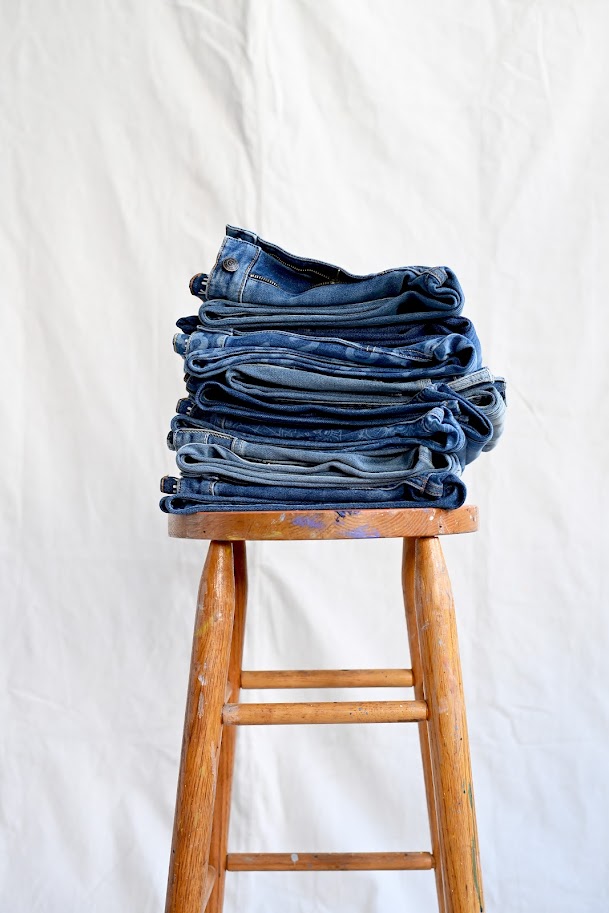
Those worn, faded pairs of jeans tucked away in the back of your closet aren’t just collecting dust—they’re waiting for transformation. Every year, millions of denim garments end up in landfills, with each pair requiring approximately 1,800 gallons of water to produce. Yet these discarded treasures hold remarkable potential for creative reuse that benefits both your home and our planet.
Why Denim Deserves a Second Life
Denim stands as one of the most durable textiles we encounter in daily life. The thick seams, sturdy weave, and resilient nature of this heavy fabric make it ideal for upcycling. Unlike many synthetic fibers that break down quickly with reuse, authentic denim—especially that made from organic cotton—maintains its integrity even after years of wear.
The environmental impact of denim production can’t be overstated. Beyond the massive water consumption, conventional cotton farming often involves harmful pesticides, while the indigo dyeing process contributes to water pollution. By extending the lifespan of existing denim through creative reuse, we reduce demand for new production while keeping perfectly good material out of landfill space.
Cotton’s Blue Jeans Go Green program highlights this potential, transforming denim scraps into housing insulation and showcasing how this sustainable fiber can serve multiple purposes beyond its wearable condition.
Treasure Hunting for Denim
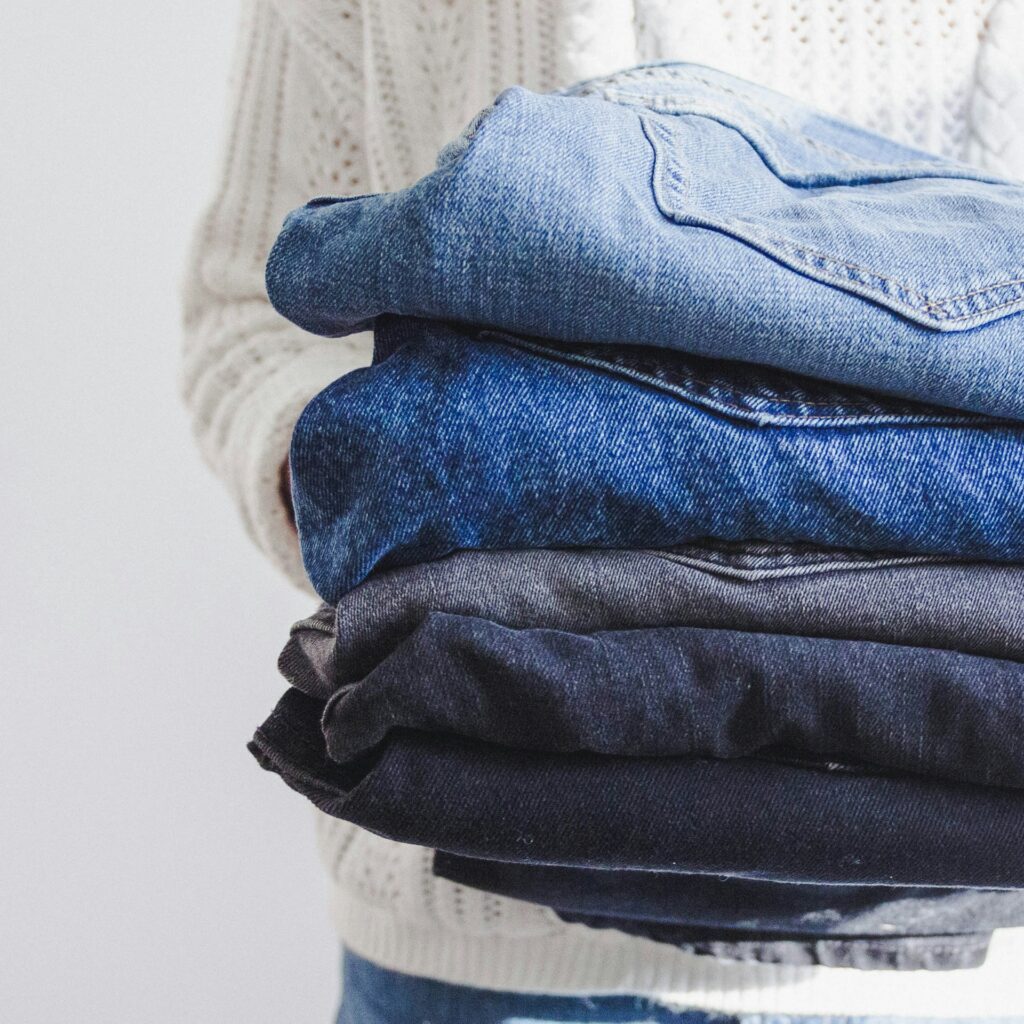
Before diving into projects, you’ll need to gather your materials. Start by assessing any pairs of old jeans family members have outgrown or worn beyond repair. Look for varying shades and weights—from classic American Eagle indigo to lighter wash varieties and even stretch denim—each offering different aesthetic possibilities for your final products.
If your personal collection falls short, thrift stores and thrift shops provide an affordable source of denim in diverse colors and conditions. When selecting pieces, focus on the quality of the fabric rather than the fit or style. Even jeans with tears in the knees can provide ample material from undamaged sections.
Essential Tools for Denim Upcycling
Working with denim requires specific equipment, and choosing the right Presser Feet can make it easier to guide thick or layered fabric through the sewing machine while maintaining more consistent stitching:
- A sharp pair of fabric scissors
- Chalk or fabric marker for tracing patterns
- A denim needle for your sewing machine (regular needles can break on the tough fabric)
- Heavy-duty thread
- Ruler or measuring tape
- Iron for pressing seams
For those without a sewing machine, many projects can be completed with strong hand-stitching or even fabric glue for non-load-bearing applications.
Practical Projects for Upcycled Denim
DIY Denim Bag: The Practical Carryall
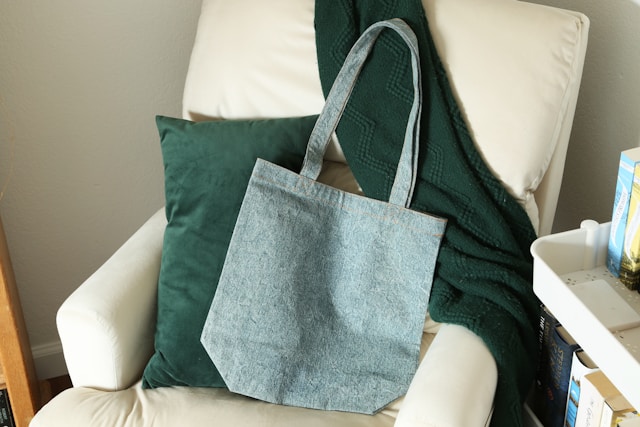
Tote bags made from upcycled jeans blend durability with eco-consciousness. The basic conversion process:
- Cut off the legs of your jeans at your desired bag height
- Sew across the bottom where you cut
- Repurpose the remaining leg fabric for straps
- Attach straps securely to the top of the jeans
- Turn the waistband down for a finished edge or add a zipper closure
For a personal touch, incorporate the back pocket as an exterior pouch for your phone or keys. The side seam of jeans provides built-in structure, making these bags particularly sturdy for grocery shopping or beach outings.
Denim Quilt: Comfort from Memories
A jeans quilt transforms multiple pairs of old jeans into a keepsake that’s both functional and meaningful. Begin by cutting uniform squares from the largest sections of your denim collection, aiming for 6-8 inch squares for manageable handling.
Arrange these in a patchwork design before sewing, considering both color gradients and the varying textures between worn and newer pieces. Leave a quarter-inch seam allowance as you join squares. For warmth, add batting between your denim top and a soft backing fabric.
Many families create these quilts from jeans that mark special occasions or periods in their lives, with each square telling part of their story. The resulting blanket often becomes an heirloom, carrying memories while providing thermal insulation for cool evenings.
Denim Rugs: Durable Floor Coverings
The tough nature of denim makes it ideal for high-traffic floor coverings. To create simple rag rugs:
- Cut jeans into long, thin strips (approximately 1-inch wide)
- Braid three strips together for strength
- Coil the braid into a circular or oval shape
- Sew adjacent coils together as you work
For a more structured approach, weave denim strips on a simple frame loom using the leg seams as reinforcement points. These rugs withstand heavy use while adding textural interest to your living space.
DIY Denim Coasters: Small-Scale Satisfaction
Not every project requires an entire pair of jeans. For beginners, denim coasters offer an easy way to test upcycling techniques:
- Cut 4-inch squares from thicker portions of your jeans
- Layer two squares with wrong sides together
- Stitch around the edges, leaving a small opening
- Turn right-side out and press
- Topstitch around the entire perimeter for a finished edge
These simple protectors prevent water rings on furniture while showcasing your creative side. The absorbent nature of denim makes them functionally superior to many commercial alternatives.
Denim Apron: Workshop Protection
The natural strength of denim has made it workwear for generations, and a homemade denim apron continues this tradition:
- Cut the back section from a pair of jeans, preserving the waistband
- Shape the bottom into your preferred apron style
- Use leg material to create a bib section and ties
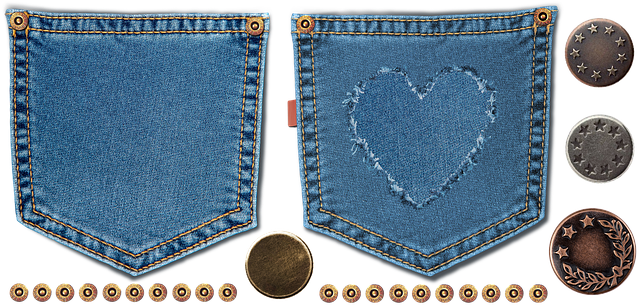
- Add pockets from remaining fabric for tools or cooking utensils
This project gives particularly worn jeans new purpose in your kitchen or workshop, with the heavy fabric providing excellent protection during messy tasks.
Beyond DIY: Community Impact
The benefits of denim upcycling extend beyond individual households. Organizations like American Textile Recycling Services collect denim for large-scale reclamation, transforming thousands of pairs into insulation material that improves energy efficiency in low-income housing.
Some community centers offer workshops where participants learn to create upcycled fabrics while fostering connections with neighbors. Schools incorporate denim recycling into environmental education, teaching students about textile waste while developing practical skills.
By sharing techniques and materials with others, your personal commitment to denim reuse ripples outward, potentially inspiring dozens more to view old clothes as resources rather than trash.
Making It Your Own
While step-by-step instructions provide guidance, the most satisfying aspect of working with upcycled denim comes from adding your unique decorative touch. Consider:
- Embroidery along pocket edges
- Patches from contrasting denim shades
- Adding lace or printed fabric accents
- Preserving meaningful details like distinctive rivets or buttons
The imperfections in worn denim add character impossible to replicate in mass-produced items. A slight fade pattern or authentic wear marks tell the story of the fabric’s first life while becoming part of its second.
When standard blue feels too conventional, remember that denim responds well to natural dyes from turmeric, tea, or berries, allowing you to create custom colors for special projects.
The Bigger Picture
The average American discards approximately 70 pounds of textiles annually, with denim comprising a significant portion. By transforming these castoffs into creative new products, we participate in a growing movement toward circular economy principles where materials continuously cycle through useful applications rather than becoming waste.
This sustainable way of thinking extends beyond fashion to furniture, housing, and countless other categories. What begins with converting jean shorts into a simple tote might evolve into rethinking how we value all resources in our daily lives.
Every pair of jeans granted extended purpose represents resources conserved: water unspent, chemicals unused, landfill space preserved. The personal satisfaction of creation combines with meaningful environmental impact, making denim upcycling a perfect solution for those seeking both creativity and consciousness in their crafting.
Whether your sewing skills are professional-grade or barely extend to attaching a button, there’s a denim repurposing project suited to your abilities. The journey from discarded pants to cherished objects offers both satisfaction in the process and pride in the result—a blueprint for how thoughtful reuse can enrich our homes while lightening our environmental footprint.