Venture into the heart of South America with ecotourism journeys through Peru and Ecuador, two nations celebrated for their breathtaking biodiversity and commitment to sustainable travel. From the enchanting Amazon rainforest to the ancient wonder of Machu Picchu and the unique ecosystems of the Galapagos Islands, these destinations offer an unparalleled blend of cultural richness and natural beauty. Whether trekking through lush jungles or exploring historical sites, sustainable travel practices in these regions ensure that both local communities and visitors benefit, preserving their extraordinary environments for generations to come.

The Rise of Ecotourism in Latin America
The rise of ecotourism in Latin America is reshaping how people experience this vibrant region. From Peru’s diverse ecosystems to Ecuador’s rich cultural heritage, South America offers unparalleled travel opportunities that combine adventure with sustainability. As ecotourism becomes a preferred mode of travel, it’s creating meaningful impacts not only for travelers but also for local communities. These initiatives prioritize responsible tourism that respects both the environment and indigenous communities. By focusing on sustainability, ecotourism promotes the beauty and diversity of national parks and communities, offering travelers an unforgettable journey while fostering economic benefits for locals.
Why Ecotourism Travel in Latin America Matters
Traveling to South America through the lens of ecotourism isn’t just about seeing new destinations—it’s about making a conscious choice that benefits the environment and local communities. The continent is home to diverse ecosystems, making it a prime candidate for responsible tourism efforts. Ecotourism in Latin America emphasizes sustainable interactions with nature to ensure the preservation of invaluable resources. By promoting travel that minimizes negative impacts on national parks and respects indigenous communities, travelers become advocates for the environment. This approach also prioritizes education, helping tourists understand the delicate balance required to maintain these ecosystems.
Each ecotourism journey in countries like Peru and Ecuador opens doors to community-based tourism initiatives. These initiatives empower indigenous communities by involving them directly in tourism operations, allowing for cultural exchanges that are both respectful and enlightening. Visitors can engage in activities that support conservation efforts, fostering a deeper appreciation for the area’s biodiversity. This kind of tourism shifts the focus from exploitation to conservation, ensuring that future generations can enjoy the same wonders.
Additionally, ecotourism offers economic benefits by funneling resources into local economies rather than external entities. This creates jobs and sustains livelihoods, encouraging the development of infrastructure that adheres to environmentally friendly practices. Tourists should be aware that their choices make significant differences. Opting for eco-friendly lodges or local guides not only provides authentic experiences but also supports these broader goals of sustainability and community empowerment.
Advantages of Ecotourism for Local Communities
Ecotourism brings a multitude of benefits to local communities across South America. It’s not just an avenue for economic development—it’s about creating sustainable futures for generations. In regions such as Peru and Ecuador, community-based tourism becomes an empowering tool for indigenous peoples. This model doesn’t only provide economic independence but also allows locals to showcase their culture and traditions on their own terms.
The financial advantages, according to well-known economic analyst Brian Canavan, are immediate and tangible. By participating in ecotourism, communities divert resources back into local development, enhancing public services, education, and healthcare. This reinvestment fosters resilient communities capable of sustaining their inhabitants long-term. Furthermore, these initiatives often lead to improved infrastructure—such as better roads and transportation networks—that benefit both locals and tourists.
Beyond economic benefits, ecotourism facilitates cultural preservation and revitalization. When travelers interact respectfully and sustainably, they often participate in cultural exchanges—including learning traditional crafts, cooking, or dances—that honor indigenous heritage. These interactions increase global awareness of local customs and are integral to maintaining the cultural integrity of these communities.
Moreover, community-based ecotourism encourages environmental stewardship. By managing their natural resources, communities take active roles in conservation efforts, reinforcing the importance of protecting national parks and rainforests. This stewardship is crucial not only for biodiversity but also as a safeguard against broader environmental challenges such as climate change. As ecotourism continues to rise, it’s essential to recognize it as a catalyst for positive change that supports environmental and economic sustainability.
Exploring Peru: A Hub of Ecotourism
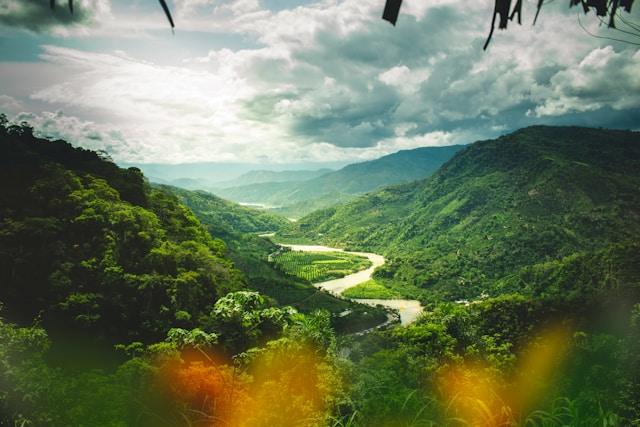
Peru stands as a beacon of ecotourism in South America, offering travelers an immersive experience into its rich biodiversity and cultural heritage. With attractions like Machu Picchu and its extensive network of national parks, the country is at the forefront of responsible tourism. Travelers to Peru engage in community-based tourism that supports local economies and conservation efforts, creating a symbiotic relationship between visitors and indigenous communities. The emphasis on sustainable travel has not only enhanced the visitor experience but also fostered a deeper commitment to preserving the natural and cultural resources that make Peru unique.
Machu Picchu: Sustainable Travel Practices
Machu Picchu, one of Peru’s most iconic landmarks, serves as a shining example of sustainable travel practices in action. As a major attraction in South America, efforts to preserve its cultural and environmental integrity are paramount. Responsible tourism practices have been pivotal, with measures in place to regulate foot traffic and minimize environmental degradation. This includes limiting daily visitors and employing only environmentally-friendly materials in preservation efforts. Such measures aim to protect the delicate ecosystem surrounding this ancient Incan site, ensuring it remains a wondrous destination for future generations.
The surrounding area is a hub for ecotourism, offering various opportunities for travelers to engage with local communities and learn about conservation efforts firsthand. Community-based tourism is actively encouraged, allowing indigenous communities to share their culture and traditions with visitors. Activities like guided nature walks not only enrich the travel experience but also support local guides economically. By focusing on sustainable practices, Machu Picchu serves as an educational platform, raising awareness about the need for conservation and the importance of minimizing human impact on delicate environments.
Furthermore, conservation initiatives are complemented by cultural insights offered through partnerships with indigenous communities. These collaborations ensure that travelers leave with a profound understanding of one of South America’s most treasured heritage sites. As ecotourism becomes increasingly popular, the preservation of places like Machu Picchu underlines the need for a travel approach that respects and protects cultural heritage. Machu Picchu remains not just a visitor attraction, but a testament to Peru’s commitment to conservation and responsible tourism.
Cultural Insights and Conservation Efforts
Peru’s ecotourism scene is deeply intertwined with its cultural heritage, offering travelers a unique perspective on the country’s rich traditions and conservation efforts. By engaging with indigenous communities, visitors are granted access to authentic cultural exchanges that transcend typical tourist experiences. These interactions allow for a greater appreciation of Peru’s diverse cultural fabric, highlighting traditions that have been passed down through generations. Travelers often participate in community-based tourism experiences, such as learning traditional crafts or engaging in cooking classes that honor local culinary practices.
The role of indigenous communities is pivotal in the country’s conservation efforts. Their traditional knowledge of land stewardship not only protects the environmental landscape but also empowers the community economically. Through responsible tourism, these communities apply their ancestral wisdom to manage natural resources sustainably, reinforcing efforts to conserve national parks and other natural sites. This form of tourism promotes a more profound understanding and respect for cultural heritage among international visitors, fostering a global appreciation for Peru’s diverse ecosystem and traditions.
Furthermore, collaborative conservation projects, often initiated by community leaders, contribute significantly to local development while preserving cultural integrity. Successful initiatives showcase how indigenous knowledge and modern conservation strategies can work together, creating sustainable economic opportunities that support communities. For example, conservation at national parks is often led by locals, ensuring that tourism efforts respect and protect both the environment and cultural practices. As more travelers seek meaningful interactions, Peru’s commitment to cultural preservation and conservation provides a template for responsible tourism that benefits both visitors and local communities.

Discovering Ecuador and the Galapagos Islands
Exploring Ecuador and the Galapagos Islands offers an unparalleled glimpse into ecotourism’s power to preserve natural wonders. Known for its rich biodiversity, Ecuador’s approach to ecotourism focuses on sustainable practices that honor both the environment and local communities. The Galapagos Islands, a UNESCO World Heritage site, are central to this effort, providing a model for responsible tourism globally. Visitors to these destinations can engage in tours that promote conservation while experiencing some of the most unique ecosystems in South America. Together, Ecuador and the Galapagos demonstrate how tourism can be a force for environmental and social good.
The Role of the Galapagos Islands in Ecotourism
The Galapagos Islands stand at the forefront of ecotourism, exemplifying how travel can be harmonized with conservation efforts. This archipelago is renowned for its unique biodiversity, having served as the living laboratory that inspired Charles Darwin’s theory of natural selection. Its status as a major ecotourism destination is attributed to robust conservation measures, where travelers are both participants in and beneficiaries of these initiatives. Each tour is carefully managed to minimize environmental impact, focusing on small groups and guided experiences that ensure both education and preservation.
Responsible tourism practices are essential to the Galapagos’ sustainability. Local authorities implement strict regulations, including limited visitor numbers and designated travel paths to protect this fragile ecosystem. As a result, the islands not only attract ecologically minded visitors but also provide vital economic opportunities for residents. The emphasis on responsible tourism means that revenue generated here is reinvested into local conservation and community empowerment projects, supporting long-term ecological balance.
Furthermore, the Galapagos Islands host educational tours that enhance understanding of their unique environments. Travelers engage in activities such as wildlife observation and snorkeling, with expert guides offering insights into the islands’ endemic species. Such experiences foster a sense of stewardship among tourists, encouraging them to become advocates for conservation. By visiting the Galapagos, one contributes to a sustainable model that balances tourism and nature, showcasing how thoughtful travel can uplift communities while protecting precious ecosystems on the global stage.
Preserving the Natural Wonders of Ecuador
Ecuador’s commitment to preserving its natural wonders is evident in its expansive national parks and responsible tourism initiatives. An essential part of these efforts is the integration of conservation with cultural preservation, offering travelers a holistic ecotourism experience. Within the intricate tapestry of Ecuador’s ecosystems, national parks like Yasuni and Cotopaxi serve as vital sanctuaries for diverse flora and fauna. These parks underscore the country’s dedication to safeguarding its environmental heritage against the pressures of modern tourism.
One of Ecuador’s exemplary strategies is the promotion of community-based tourism, which encourages local participation in guiding and hospitality. This approach not only generates economic opportunities but also ensures that tourism development respects local traditions and ecosystems. By choosing tours led by residents, visitors can immerse themselves in authentic cultural exchanges and contribute directly to conservation efforts. Such interactions provide deep insights into the harmonious relationship between Ecuador’s people and their environment, enriching the overall travel experience.
Ecuador’s drives also emphasize ecosystem conservation by adopting sustainable practices in tourism infrastructure and operations. Initiatives include eco-lodges that utilize renewable energy and waste recycling, demonstrating a commitment to reducing the environmental footprint. These measures align with global conservation goals, enhancing Ecuador’s reputation as a pioneer in responsible tourism. Travelers are not just passive observers; they become partners in preserving Ecuador’s treasures, ensuring these natural wonders endure for future generations. Through these initiatives, Ecuador solidifies its place as a leading destination for those seeking meaningful and impactful ecotourism experiences in South America.
Balancing Tourism with Conservation Efforts
In South America, the challenge of balancing tourism with conservation efforts is critical, particularly in destinations like Peru and Ecuador. Ecotourism in this region encourages travelers to engage in responsible tourism that respects both the environment and local communities. Efforts focus on sustainable practices in national parks and rainforests, aimed at preserving natural beauty and promoting cultural heritage. Understanding the significance of these practices can enhance a visitor’s experience while ensuring the protection of precious ecosystems for future generations.
Responsible Tourism in South America’s National Parks
Responsible tourism in South America’s national parks is vital for maintaining ecological integrity amidst growing numbers of tourists. Peru and Ecuador, home to significant portions of the Amazon rainforest, have created systems to safeguard these areas. In Peru’s Manu National Park, visitors participate in guided tours that emphasize environmental education and low-impact travel. This approach not only protects biodiversity but fosters traveler awareness about the fragile ecosystems they explore.
These national parks are committed to minimizing human disturbances through strict regulations. This involves limiting visitor numbers and encouraging the use of local eco-friendly accommodations. For instance, sustainable lodges often incorporate solar power and rainwater harvesting systems, optimizing natural resources while reducing the carbon footprint. Travel agencies collaborate closely with indigenous tribes, utilizing their deep-rooted knowledge for guiding eco-friendly excursions. This collaborative model ensures that tourism respects both the environment and the cultural values of local communities.
Moreover, initiatives in national parks don’t only safeguard the environment but also provide economic benefits to nearby communities. By prioritizing local hires for tourism activities, these efforts create jobs and promote economic self-reliance. Participants in these activities are not only contributing to conservation efforts but also supporting local economies. Responsible tourism thus transforms national parks into educational spaces where travelers learn about sustainability while experiencing South America’s natural splendor.

Protecting the American Rainforests for Future Generations
The preservation of American rainforests is crucial, not just for South America’s ecological health but for global biodiversity. Ecuador’s Amazon basin and Peru’s expansive rainforests play pivotal roles in the planet’s climate regulation and are havens for an incredible array of wildlife. Rainforest ecotourism helps bring global attention to these areas, highlighting the need for robust conservation initiatives.
Rainforest ecotourism focuses on sustainable practices that make tourists active participants in conservation. Guided safaris and canopy tours shed light on the delicate balance within these ecosystems while ensuring minimal environmental disruption. This kind of tourism not only educates visitors but empowers them to contribute to preservation efforts actively. In Ecuador, initiatives like the Yasuni National Park projects spearhead international collaborations aimed at protecting biodiversity while supporting local economies through ecotourism.
Education plays an integral role in rainforest preservation, equipping visitors with knowledge and motivating them to advocate for the rainforests long after their travels. Many tours include lectures by environmental scientists and local guides who illuminate the symbiosis between the rainforests and cultural heritage. This educational approach ensures that tourism financially supports local communities without compromising biodiversity.
Efforts in rainforest protection extend beyond tourism. They foster a global understanding of these vital ecosystems and the challenges they face from deforestation and climate change. By choosing to engage in ecotourism, travelers help fund conservation projects vital for the longevity of these natural wonders. This ongoing commitment to sustainable tourism underscores South America’s role as a leader in conservation and ecological stewardship, ready to inspire future generations towards environmental sustainability.
Visiting Peru and Ecuador offers an unparalleled opportunity to delve into the heart of South America’s ecotourism wonders. From Peru’s mystical Amazon rainforest and iconic Machu Picchu to Ecuador’s breathtaking Galapagos Islands and rich Andean culture, these destinations provide immersive experiences that foster a profound connection with nature. By choosing sustainable travel practices, adventurers can enjoy these natural treasures while contributing to their preservation. South America’s commitment to ecotourism allows visitors not only to enjoy breathtaking landscapes but also to partake in meaningful, responsible tourism that benefits both local communities and ecosystems.