Africa is home to some of the world’s most breathtaking natural landscapes, unique wildlife species, and culturally rich communities. One of Africa’s most breathtaking natural landscapes is the Maringa–Lopori–Wamba (MLW) forest landscape in the Democratic Republic of Congo, managed in part by the African Wildlife Foundation (AWF). From the Okavango Delta in Botswana to the volcanic slopes of Rwanda’s Volcanoes National Park, ecotourism in Africa offers travelers unparalleled experiences while promoting conservation and sustainable development. This form of tourism focuses on responsible travel to natural areas that conserves the environment, sustains the well-being of the local people, and involves interpretation and education. As ecotourism gains traction, its impact on the African continent becomes increasingly significant—both as a catalyst for wildlife conservation and a tool for community development.

What is Ecotourism in Africa?
Ecotourism in Africa is a form of tourism that prioritizes sustainability, low-impact travel, and the conservation of natural areas. It involves visiting pristine areas and protected ecosystems, often within national parks and game reserves, while ensuring that the travel has minimal environmental impact. It also places a strong focus on community-based tourism, where local communities play a central role in managing tourism resources and benefiting economically from them.
Unlike mass tourism, which can lead to environmental degradation and strain on local resources, ecotourism encourages sustainable practices and responsible behavior among international tourists. It supports initiatives that promote the well-being of local people and protect Africa’s rich biodiversity. Ecotourism also places a spotlight on the protection of natural habitats and provides meaningful engagement with local traditions, values, and heritage.
Why Choose Ecotourism in Africa?
1. Support for Local Communities
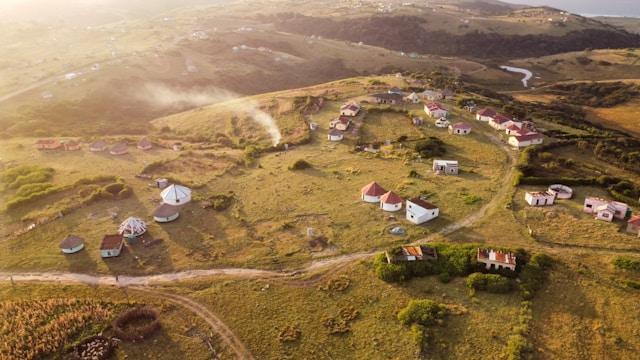
Ecotourism in Africa has become a lifeline for many rural communities. Through employment opportunities, tourism revenue, and community development projects, local residents benefit directly from the ecotourism industry. Lodges and eco-friendly accommodations often source food and crafts from nearby villages, creating a positive impact on the local economy. Visitors can participate in cultural exchanges, traditional cooking classes, and guided tours led by indigenous people who share their knowledge of the local flora, fauna, and history.
In regions like southern Africa and East Africa, the model of community-based ecotourism has proven successful in reducing poverty and improving quality of life. For example, in Namibia, conservancies managed by local people have successfully generated income while protecting wildlife and reducing human-wildlife conflict.
2. Wildlife Conservation
Africa is renowned for its abundance of wildlife, including big cats, African elephants, green turtles, and countless bird species. Many ecotourism operators work in tandem with conservation projects to protect these species. Revenues from ecotourism often fund anti-poaching efforts, wildlife monitoring, and habitat restoration.
In Kenya, the Masai Mara conservancies offer a powerful example of how ecotourism can contribute to both conservation and livelihood improvement. Local Maasai landowners lease their land to eco-lodges, receiving income while ensuring that wildlife corridors remain intact. This collaborative model ensures that wildlife conservation becomes an integral part of land use and community planning.
3. Education and Awareness
Ecotourism promotes environmental education among tourists and locals alike. Guided nature walks, game drives, and bird-watching tours help visitors understand the importance of nature conservation and sustainable travel. Many lodges also offer educational talks about local ecosystems, climate change, and conservation challenges faced by Africa’s national parks.
By engaging travelers in environmental learning, ecotourism fosters a global network of conservation advocates. Children and youth in rural communities also benefit from eco-education programs, creating a future generation that values and protects their natural environment.
4. Preservation of Natural Resources
By encouraging low-impact tourism, ecotourism helps preserve natural resources and the natural environment. From solar power usage to eco-friendly accommodations, sustainable practices are integral to many ecotourism operations in Africa. The focus on reducing carbon footprints, recycling, composting, and water conservation means that the environmental costs of tourism are minimized.
Eco-lodges in remote areas, such as those in the Okavango Delta and parts of sub-Saharan Africa, operate entirely off the grid using solar panels, rainwater collection systems, and waste-to-energy technologies. These innovations contribute to long-term environmental sustainability.

Top Ecotourism Destinations in Africa
1. Okavango Delta, Botswana
A UNESCO World Heritage Site, the Okavango Delta is one of the best ecotourism destinations in Africa. Its wetland areas host an array of bird species, wild animals, and marine life. Canoe safaris and walking safaris offer unique experiences while minimizing environmental costs.
The delta supports one of the world’s richest concentrations of biodiversity and is a model for sustainable ecotourism. Visitors can expect to see elephants, leopards, crocodiles, and over 400 bird species, all within a carefully managed protected area that respects the integrity of the natural landscape.
2. Volcanoes National Park, Rwanda
Home to the endangered mountain gorillas, this protected area is a model for sustainable ecotourism. The high fees paid by tourists to trek and observe the gorillas go directly into conservation efforts and community development initiatives. Locals are trained as guides and porters, and infrastructure development supports health, education, and agriculture.
The park demonstrates how ecotourism can fund the protection of one of the world’s most endangered species, while also generating income for rural communities and improving the well-being of the local people.
3. Chobe National Park, Botswana
Known for its large elephant populations, Chobe is an ecotourism holiday haven. Game drives and boat safaris are popular, and the park emphasizes minimal impact on the environment. Eco-friendly lodges along the Chobe River offer sustainable travel experiences and emphasize conservation education.
4. Kruger National Park, South Africa
One of Africa’s most iconic destinations, Kruger National Park balances high visitor numbers with strong conservation measures. It also offers eco-friendly accommodations and supports rural communities around its borders. Tourists visiting Kruger can participate in wildlife tracking, conservation volunteer programs, and cultural heritage tours.
5. Masai Mara, Kenya
Renowned for the Great Migration, the Masai Mara integrates community-based ecotourism with luxury African safaris. Local Maasai communities are deeply involved in the ecotourism industry, helping protect the natural habitat while preserving their own cultural traditions. The park is also home to some of Africa’s most majestic predators, including lions and cheetahs.
6. Samburu National Park, Kenya
This lesser-known park in northern Kenya is celebrated for its unique wildlife and fewer visitors, providing a more intimate and responsible travel experience. Samburu offers authentic encounters with semi-nomadic tribes and a strong focus on community development and conservation.
7. Ngorongoro Conservation Area, Tanzania
Another UNESCO World Heritage Site, this area offers breathtaking views of the Ngorongoro Crater and supports both conservation and the traditional way of life of local Maasai communities. The site blends archaeological significance with extraordinary wildlife viewing, offering deep insights into the natural world.
8. Lake Nakuru, Kenya
Famous for its flocks of flamingos and rich biodiversity, Lake Nakuru exemplifies how ecotourism can support nature conservation while attracting international tourists. Efforts to manage waste, monitor water levels, and maintain biodiversity make it a standout model in sustainable tourism.
Community-Based Ecotourism and Its Broader Impact
Community-based ecotourism places local communities at the heart of tourism activities. In many parts of Africa, this has led to improved infrastructure, schools, and healthcare facilities. Women and youth, in particular, have found new opportunities in the tourism sector. The economic benefits of ecotourism often ripple through entire communities, boosting employment and supporting traditional lifestyles.
Villages near protected areas like the Ngorongoro Crater and Volcanoes National Park have witnessed improvements in livelihoods due to ecotourism revenue sharing. In some regions, tourism cooperatives ensure that funds are reinvested into community-led initiatives, creating a cycle of sustainable development.
The well-being of local people is of paramount importance in sustainable tourism. By ensuring that the benefits of tourism are equitably shared, community-based ecotourism helps to strengthen social cohesion and local governance. Tourists also gain a deeper understanding of Africa’s cultural richness through homestays, traditional performances, and storytelling.

Conservation Efforts and Environmental Challenges
Ecotourism has played a key role in addressing environmental issues in Africa. Many national parks and game reserves rely on tourism income to fund their conservation projects. From anti-poaching patrols to habitat restoration, ecotourism provides vital resources for protecting Africa’s natural world.
However, there are challenges. The influx of tourists, if not managed properly, can lead to environmental degradation, waste generation, and strain on water and energy resources. It is essential for ecotourism operators to adopt sustainable practices and for national governments to enforce regulations that limit negative impacts.
Mass tourism, particularly in fragile ecosystems, can cause irreversible damage. Ecotourism offers a solution by promoting limited visitor numbers, enforcing environmental guidelines, and encouraging low-impact activities such as birdwatching, walking safaris, and educational tours.
Sustainable Travel Practices for Ecotourists
Sustainable ecotourism relies on practices that reduce harm to the environment while maximizing the positive impact on local communities. These include:
- Using solar power and renewable energy
- Promoting eco-friendly accommodations
- Supporting local guides and artisans
- Limiting visitor numbers in fragile ecosystems
- Encouraging walking safaris over motorized tours
- Avoiding single-use plastics and reducing waste
- Participating in conservation volunteer programs
These practices help ensure that Africa’s natural resources are preserved for future generations, allowing both wildlife and local residents to thrive. Many ecotourism lodges now hold certifications for sustainability, reflecting their commitment to protecting the environment.
The Political and Economic Landscape
The success of ecotourism often depends on political stability and the support of national governments. In regions where governments actively support the tourism sector, infrastructure improves and conservation laws are more effectively enforced. Public-private partnerships are increasingly seen as effective models for managing protected areas and ensuring long-term sustainability.
Moreover, the potential economic benefits of ecotourism can be enormous. Countries like South Africa, Kenya, and Tanzania have built robust ecotourism industries that contribute significantly to GDP. In sub-Saharan Africa, where unemployment remains a major challenge, ecotourism offers a viable path to job creation and economic diversification. It also plays a role in mitigating rural-urban migration by creating viable livelihoods in remote areas.
Tourism ministries and environmental agencies must collaborate to create policies that protect wilderness areas and promote equitable development. Regional cooperation among African countries can further boost conservation efforts and create unified strategies for eco-friendly growth.
A Vision for the Future of Ecotourism in Africa
As more international tourists seek meaningful, sustainable experiences, the demand for ecotourism in Africa is set to grow. With its diverse ecosystems, abundance of wildlife, and rich cultural heritage, Africa is well-positioned to become the world’s leading ecotourism destination.
To achieve this, collaboration is needed across sectors. Conservationists, tourism operators, local residents, and national governments must work together to ensure that tourism development aligns with the long-term health of the environment and the prosperity of the communities.
From the pristine beaches of the Indian Ocean to the rugged wilderness areas of East Africa, ecotourism offers a model of tourism that does the right things—not only for travelers seeking unforgettable adventures, but also for the people and wildlife who call Africa home.
Ready to experience the most beautiful places Africa has to offer while making a real difference? Discover community-based ecotourism lodges, plan your walking safari, and support conservation projects that protect endangered species and empower rural communities.
Explore the best ecotourism destinations in Africa and take the first step towards responsible travel that leaves a positive legacy for future generations.