Ecuador has become synonymous with ecotourism—not only because of the Galápagos Islands that inspired Charles Darwin, but also thanks to mist‑filled cloud forests, snow‑capped volcanoes, and Amazon tributaries where Indigenous peoples still sing traditional Quichua music at dusk. Forward‑looking conservation efforts link every region: park entrance fees fund local schools, tour operators employ naturalist guides drawn from nearby communities, and entrepreneurs create sustainable activities that keep fragile habitats intact. By weaving together environmental protection, responsible tourism, and sustainable economic growth, the nation offers travelers a unique opportunity to experience South America’s extraordinary natural beauty while supporting local culture and the local economy.
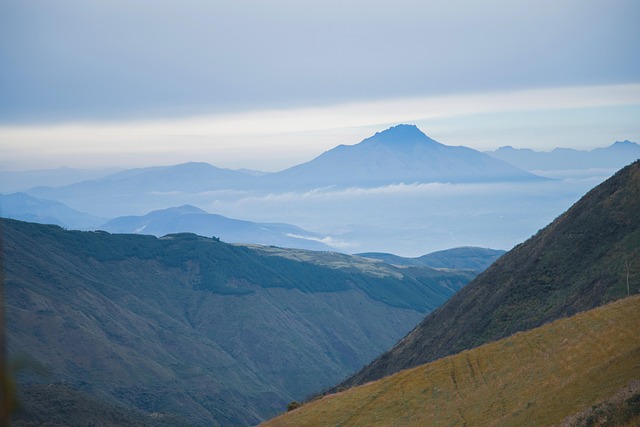
Galápagos Islands: UNESCO Jewel at a Delicate Balance
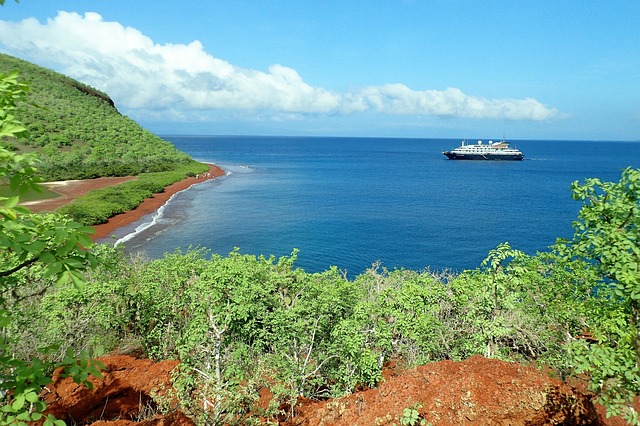
The Galápagos Islands—officially the Galápagos National Park and Marine Reserve—represent the flagship for ecotourism Ecuador. Listed as a UNESCO World Heritage Site in 1978, the archipelago protects hundreds of animal species and plant species found nowhere else on Earth. Waved albatross circle Española, giant tortoises graze volcanic highlands, and marine iguanas warm themselves on black lava after grazing seaweed beds. Strict conservation efforts limit the number of visitors arriving each year through Baltra’s international airport, one of the busiest airports in the country during high season. Every visitor pays an entrance fee that directly finances conservation projects and community initiatives—ranging from invasive‑species eradication to scholarships for local children on Santa Cruz.
Responsible tour operators follow Galápagos National Park rules that require licensed naturalist guides, small group sizes, and set landing times so that seabird colonies rest undisturbed. Travelers board low‑impact catamarans or stay in land‑based eco‑lodges managed by local people. These accommodations purchase vegetables, coffee, and cacao beans from small farms in the archipelago’s humid zones, keeping revenue circulating inside the local community. By supporting locally owned services, visitors help diversify an economy that once relied heavily on fishing.
Conservationists track everything from island rainfall patterns to the percent increase in recycling compliance, using data to fine‑tune visitor flows and safeguard the delicate balance between economic development and environmental protection. Thanks to collaborative management, the archipelago remains a living laboratory where responsible travelers can snorkel with sea lions, photograph endemic bird species such as the Galápagos penguin, and still leave only footprints in the sand.
Cotopaxi National Park: Adventure under an Active Volcano
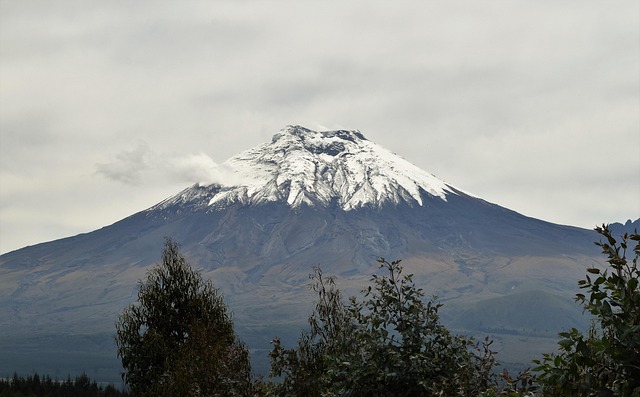
Dominating Ecuador’s Avenue of Volcanoes, Cotopaxi volcano rises 5,897 metres above sea level—one of the highest active volcanoes on the planet. The surrounding Cotopaxi National Park is a classic example of sustainable tourism in the Andes mountains. Rangers, biologists, and local communities jointly monitor the number of visitors on trails that cut across páramo grasslands, home to wild horses, Andean foxes, and a surprising diversity of bird species. Horseback riding with chagra cowboys, high‑altitude jungle hikes in Polylepis groves, and guided climbs to the José Rivas refuge all generate income for adjacent villages such as Lasso, Mulaló, and Machachi.
Entrance fees fund water conservation projects that protect beautiful rivers of Ecuador’s Sierra region, ensuring downstream farms and the capital city of Quito receive clean supplies. Quito itself, perched at 2,850 metres, functions as the main gateway for international visitors; its historic centre offers a rich history of colonial churches, while Mariscal Sucre International Airport provides quick links to the Pacific coast and the Amazon rainforest. By beginning and ending their journeys in the capital, travelers spread tourism benefits across accommodations, restaurants, and craft markets that showcase textiles woven from alpaca fibre.
The Ecuador Forest of Clouds: A Bird‑Watcher’s Paradise
Two hours from Quito the highway plunges into emerald canyons where warm Pacific air collides with cool Andean breezes to create the Ecuador forest of clouds. Local people call the region a biodiversity hotspot, and scientists agree: more than 400 species of birds share these moss‑draped slopes with orchids, tree ferns, and glass frogs. The small town of Mindo has become an epicentre for bird watching tours that set out before dawn in search of the plate‑billed mountain toucan, the Andean cock‑of‑the‑rock, and hummingbirds whose iridescent throats flash like neon.
Community‑run reserves charge modest entrance fees that sustain ranger salaries and reforestation. Sustainable activities include canopy zip‑lines strung through cloud‑forest giants and chocolate workshops that walk guests through every step of transforming a cacao bean into a velvety bar. Unlike mass tourism destinations where busloads arrive and depart in minutes, most visitors here linger for multiple nights, giving the local economy steady demand for homestays, bakeries, and handicraft stalls. Water from these forests feeds both the Pacific coast and the Amazon River watershed, making conservation not just a local priority but a national imperative.
Yasuni National Park: Indigenous Guardians of the Amazon
Far to the east, where the Napo River joins the Amazon, Yasuni National Park protects 1 million hectares of rainforest hailed by biologists as containing more animal species and plant species per square kilometre than anywhere else on the planet. The park overlaps Waorani and Kichwa territories, and Indigenous communities play a crucial role in shaping sustainable management plans. Eco‑lodges such as Napo Wildlife Center, Sani Lodge, and Añangu Kichwa Ecolodge are wholly or majority owned by local communities, ensuring that tourism revenue supports healthcare, solar power, and local schools.
Guides explain traditional uses of medicinal plants, demonstrate blow‑gun hunting techniques, and invite guests to early‑morning clay‑lick blinds where hundreds of parrots swarm in brilliant colour. Travelers paddle dugout canoes along black‑water creeks, listening for pink river dolphins and the haunting call of the screaming piha. These low‑decibel excursions keep wildlife disturbances minimal and reinforce the park’s status as a model for conservation efforts that integrate cultural survival with environmental stewardship.
Kapawi Ecolodge: A Success Story Deep in the Amazon
Deeper still lies Kapawi Ecolodge, accessible only via Lago Agrio or Shell and a final canoe ride through the Amazon rainforest of Ecuador. Founded in partnership with the Achuar nation and now 100 percent community owned, the lodge exemplifies sustainable development. Solar panels provide electricity; grey water is filtered through reed beds; and guests dine on fresh tilapia, plantain, and yuca sourced from small farms managed by extended families. Evening storytelling circles reveal how the Achuar cosmology views rivers, jaguars, and clouds as living kin—a worldview that naturally aligns with environmental conservation.
Visitors participate in community projects like tree planting along riverbanks to prevent erosion and cultural workshops crafting chambira‑fibre bracelets. These hands‑on experiences cultivate personal growth as travelers grasp the intrinsic connection between natural resources and spiritual well‑being in Indigenous life. By choosing Kapawi, responsible travelers become partners in an economic model that keeps oil rigs and large‑scale logging at bay.
Pacific Coast: From Humpback Whales to Cacao Plantations
Along the Pacific Ocean shoreline, towns such as Puerto López and Ayangue balance tourism development with marine protection. Each June humpback whales arrive from Antarctica to calve in Ecuador’s warm waters. Licensed boat captains must maintain set distances and time limits, a system credited with reducing stress on the whales while still giving visitors front‑row seats to spectacular breaches. Machalilla National Park also features the archaeological site of Agua Blanca, mineral‑rich hot springs, and trails through dry tropical forest where howler monkeys lounge in ceiba trees.
Farther north, the coastal province of Esmeraldas showcases Afro‑Ecuadorian culture alongside pristine mangroves that serve as nurseries for fish and crustaceans critical to local diets. Community initiatives teach visitors how sustainable tourism safeguards livelihoods that once relied exclusively on shrimp farming. Nearby cacao cooperatives lead tours detailing every stage of bean‑to‑bar production—a delicious lesson in sustainable travel that ends with sipping single‑origin hot chocolate while Pacific sunsets paint the sky crimson.

Sustainable Urban Gateways: Quito, Cuenca, and Beyond
While Ecuador’s natural areas draw headlines, its UNESCO‑listed historic centres in Quito and Cuenca demonstrate how sustainable tourism can thrive in urban environments. Restored colonial mansions now operate as boutique hotels that prioritise water conservation, solar‑heated showers, and farm‑to‑table dining sourced from small farms in surrounding valleys. Day‑trip itineraries send guests to nearby natural wonders—hot springs in Papallacta, cloud‑forest reserves in Nanegalito, or the active volcano Pululahua—spreading tourism receipts across multiple regions.
The capital city’s Mariscal Sucre hub counts among Latin America’s best‑connected airports, yet municipal planners encourage visitors to explore on foot, by electric bus, or using an expanding network of bike lanes. The local government runs interpretive walks that highlight pre‑Inca ruins underneath cathedrals, underscoring that rich history and environmental stewardship can coexist in bustling metropolises.
Community Projects and Social Equity
Across Ecuador, ecotourism initiatives channel funds into community development. The Sinchi Warmi women’s collective in Misahuallí reinvests lodge earnings to build classrooms, while youth in the small town of Puyo lead kayak tours that raise money for waste‑management campaigns along the Amazon River. In the Andes, cooperative dairy farms near Chimborazo work with tour companies to host visitors curious about life above 3,500 metres. Such projects prove that local communities are not passive backdrops for photographs; they are active architects of responsible tourism.
Crucially, profits stay local. Studies by the Ecuadorian government show that community‑owned lodges retain up to 70 percent of revenue in‑country, compared with 30–40 percent for conventional mass‑tourism hotels. That cash funds healthcare posts, clean‑water systems, and micro‑loans for entrepreneurs.
Tips for Responsible Travelers
- Pack reusable bottles and filtration straws to minimise plastic waste, particularly in remote natural areas.
- Hire accredited naturalist guides who are fluent in local culture and ecology.
- Accept entrance fee structures—they finance trail maintenance, ranger patrols, and community scholarships.
- Purchase handicrafts directly from artisans rather than souvenir chains.
- Respect wildlife viewing distances; use binoculars for bird watching and zoom lenses for photography.
By following these best ways to explore, visitors become partners in conservation instead of passive spectators.
Ecotourism as a Pillar of Sustainable Economic Growth
Recent figures from the Ministry of Tourism confirm that the tourism industry ranks among Ecuador’s top non‑petroleum exports. Even after pandemic setbacks, international tourism is bounding back, with a double‑digit percent increase recorded last year. Analysts credit ecotourism for driving demand: surveys show that international visitors choose Ecuador specifically for its natural wonders, endemic species, and opportunities to engage with indigenous communities. Sustainable travel has moved from niche to mainstream, proving that responsible tourism can serve as both an environmental safeguard and a catalyst for sustainable economic growth.
Efforts to diversify offerings now include agro‑tourism stays on organic coffee fincas near Loja, community‑run birding blinds in the Chocó Andino Biosphere Reserve, and cacao‑route road trips along the Pacific coast. These options entice repeat travelers and distribute income across rural regions, reducing pressure on ecological hotspots.

The Road Ahead: Continual Improvement
Ecuador’s ecotourism model is dynamic. Stakeholders meet regularly to review visitor‑impact studies, adjust carrying capacities, and share best practices across parks—from Cotopaxi to Cajas. International NGOs collaborate with the Ecuadorian government on satellite‑tracked collars for jaguars, coral‑reef restoration off Santa Fe Island, and cloud‑forest land purchases that buffer existing reserves. The goal is simple yet profound: ensure that the natural environment, local communities, and the tourism industry rise together.
Travelers who trek through cloud‑forest mists, paddle Amazon backwaters, or summit Cotopaxi’s icy saddle contribute to a nationwide experiment in sustainable development. Their spending powers economic development in areas once dependent on resource extraction, while their presence — when managed responsibly — helps protect some of Earth’s most irreplaceable natural wonders. That symbiosis defines ecotourism Ecuador and offers a hopeful blueprint for Latin America and the wider world.
Eco tourism in the Galapagos works differently from a packaged beach holiday. Most Galapagos vacations are sold as small-ship cruises that island-hop between Santa Cruz, Isabela, and Espanola, with each landing capped and timed so wildlife is left undisturbed. The cruises that hold a national park licence run modest passenger numbers, carry naturalist guides, and treat their own waste at sea rather than dumping it near the reefs.
Land-based stays offer the same wildlife with a lighter footprint, and they keep guests eating and spending in the island towns for longer. For travellers who care about the carbon side of the trip, the long flights are the hard part, not the cruising. A growing number of operators now publish the carbon cost of each itinerary and let guests fund reforestation on the mainland to offset it.
The strongest experiences here are the slow ones: snorkelling with sea lions, walking a tortoise reserve at dawn, or sitting still while a blue-footed booby nests a metre away. Sustainability in the Galapagos is not a marketing line. It is the entrance fees, the visitor caps, and the locally owned boats that decide whether these islands survive the next century of tourism.