Iceland, often called the “land of fire and ice,” draws visitors from across the globe to experience its extraordinary scenery and unique environment. Towering glaciers, geothermal hot springs, rugged mountains, and pristine coastlines all combine to create a natural wonderland that feels almost otherworldly. Yet with all its splendor, Iceland’s delicate ecosystem calls for careful stewardship. That is where Iceland ecotourism comes into play, emphasizing responsible tourism practices that respect the local community, protect natural resources, and reduce negative impact on the environment. This approach helps preserve Iceland’s natural beauty for future generations while still delivering unforgettable adventures.
Below, discover how Iceland ecotourism can transform a regular trip into a deeply fulfilling journey rooted in environmental mindfulness. Explore geothermal energy sites, learn about sustainable travel options, and see how local businesses and tour operators collaborate to safeguard Iceland’s striking landscapes.

Defining Iceland Ecotourism and Its Growing Movement
Iceland ecotourism goes beyond simply admiring natural attractions. It centers on minimizing your carbon footprint, respecting local culture, supporting smaller personal family run company ventures, and protecting fragile ecosystems. This growing movement within the tourism industry enables visitors to embrace outdoor activities without compromising the country’s environment. Whether you are venturing along the ring road or exploring conservation areas like Vatnajökull National Park and Thingvellir National Park, an eco-minded outlook fosters a deeper appreciation for Iceland’s wonders.
The Foundations of Responsible Tourism
- Social Responsibility: A vital principle of Iceland ecotourism is forging respectful connections with local communities. When traveling, consider how your presence might affect these communities and strive to contribute positively. Book tours that employ expert local guides or stop by local farms that highlight sustainable farming methods.
- Environmental Preservation: Iceland’s geological features, from shifting tectonic plates to glimmering ice caps, are quite vulnerable. Choosing eco-conscious tour operators and respecting strict regulations for waste management and resource use help ensure minimal environmental impact of tourism.
- Cultural Appreciation: Embrace Icelandic culture, from the island’s language to regional culinary traditions. Trying local foods, whether fresh fish or vegetables grown using geothermal energy, not only sustains the country’s economy, but also offers travelers a glimpse into the authentic Icelandic way of life.
Highlighting Natural Wonders in the Land of Fire and Ice
Part of what makes Iceland ecotourism so rewarding is the access it grants to remarkable landscapes—without overburdening them. Iceland’s natural attractions rival any in the world, featuring both elemental clashes (fire and ice) and serene moments of beauty (midnight sun and snow-kissed mountains).
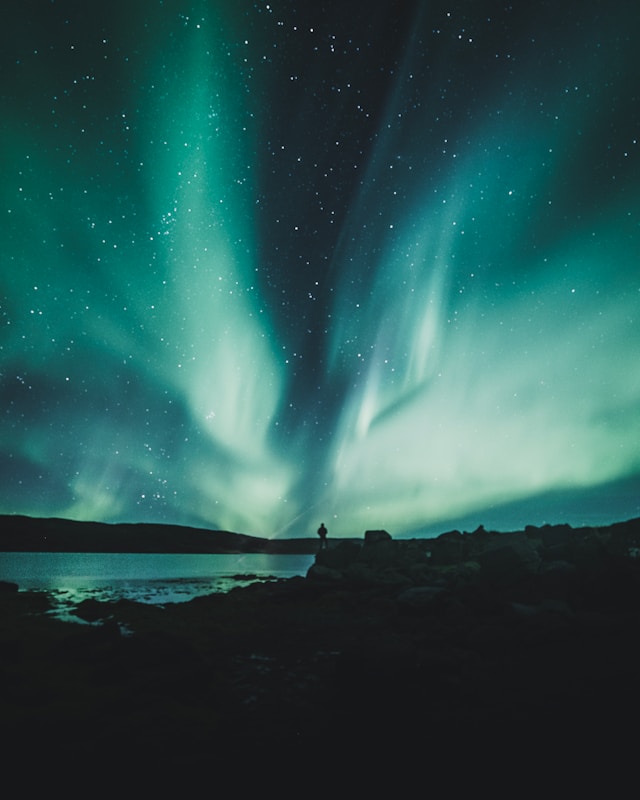
- Northern Lights: The aurora borealis, commonly seen during the winter months, offers a mesmerizing display of dancing lights across the night sky. Many eco-tourism companies organize small-scale group trips and use electric cars or low-emission vehicles to transport travelers away from city lights.
- Hot Springs: Natural hot springs, like the popular Blue Lagoon or more secluded geothermal pools, are iconic to Icelandic travel. These sites, especially the less commercial ones, are a prime location for relaxation and reflection. Soak under starry skies while appreciating the energy harnessed from beneath the ground.
- Glaciers and Ice Caves: Glacial adventures in places like Vatnajökull National Park highlight the awe-inspiring scale of Iceland’s largest glacier. Eco-conscious excursions limit visitor numbers and follow guidelines that help preserve the fragile icy environment.
- Black Sand Beaches: Tucked away along the coastline, black sand beaches emphasize Iceland’s volcanic origins. Their enchanting dark shores and rugged sea stacks make for one of the most captivating landscapes in the country. Responsible tourism helps manage foot traffic and ensures these beaches remain unspoiled.
Why Iceland Ecotourism Matters for Future Generations
The future of Icelandic travel depends on mindful approaches that safeguard the island’s delicate ecosystems. This island might look untamed and endless, but it is far from immune to the consequences of increased tourist numbers. Climate change and the overuse of fossil fuels pose real threats to the glaciers, wildlife habitats, and natural beauty that draw so many visitors.
- Preserving Natural Resources: From geothermal energy to hydroelectric power, Iceland already taps into renewable sources. Striking a balance between welcoming travelers and maintaining the country’s energy demands ensures that the island’s infrastructure remains sustainable.
- Encouraging Sustainable Practices: Many Icelandic farms and smaller personal family run companies have adopted a strong emphasis on responsible tourism. Replacing disposable items with reusables (such as a reusable shopping bag and reusable water bottle) and transitioning to green transport options are small steps that translate into a big impact over time.
- Supporting Local Communities: Tourism plays a significant role in Iceland’s economy. By investing in responsible tourism—staying with local hosts, eating local foods, and hiring local businesses—travelers help secure the livelihoods of people who depend on the land.
Embracing Geothermal Energy and Renewable Resources
A remarkable aspect of Iceland’s natural environment is its abundant geothermal area, which helps power much of the nation. Iceland’s energy consumption largely relies on renewable sources, making it a global leader in environmentally friendly power production.
How Geothermal Works in Iceland
Deep beneath Iceland’s crust, shifting tectonic plates and volcanic activity superheat water reservoirs. This water emerges from the earth as hot springs or, when harnessed at facilities, it becomes steam that drives turbines to create electricity. The result is an almost entirely clean power source, reducing reliance on fossil fuels.
Travelers will notice evidence of geothermal energy everywhere, from heated sidewalks in Reykjavík to the abundance of hot tubs and geothermal swimming pools around the country. Many eco-tourism companies incorporate educational segments explaining how geothermal plants operate and how this technology drastically reduces carbon footprints.
Exploring National Parks and Conservation Areas
For anyone interested in Iceland ecotourism, visiting national parks is often a highlight. These protected areas safeguard biodiversity, cultural heritage, and Iceland’s dramatic landscapes:
- Thingvellir National Park: Renowned for its cultural significance and distinctive geology, Thingvellir stands where the North American and Eurasian tectonic plates diverge. Eco-conscious travelers can explore hiking trails, learn about the park’s rich history, and float between continents by snorkeling or diving at Silfra fissure.
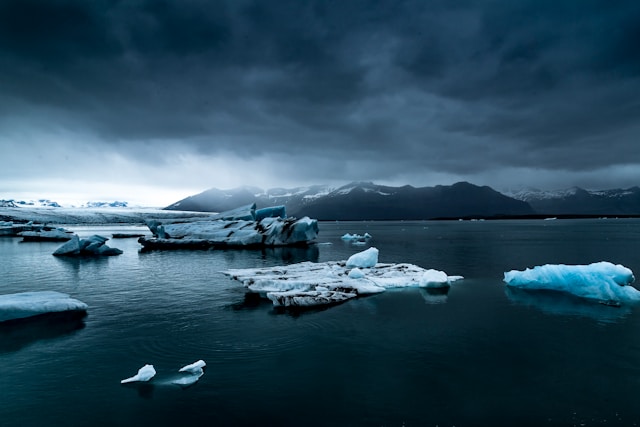
- Vatnajökull National Park: As the largest national park in Europe, Vatnajökull encompasses vast glaciers, ice caves, volcanoes, and glacial rivers. Guided tours that limit group sizes protect fragile ecosystems from excessive foot traffic. The mesmerizing Jokulsarlon Glacier Lagoon within its boundaries is a prime location to witness icebergs drifting out to the Atlantic Ocean.
- Skaftafell: Now part of Vatnajökull National Park, Skaftafell is home to lush vegetation thriving at the foot of powerful glaciers. Well-marked trails and designated camping spots prevent damage to delicate flora while allowing visitors to enjoy scenic views and waterfalls.
By placing strict regulations on visitor numbers, waste disposal, and motorized vehicle use, Icelandic authorities ensure that these conservation areas remain an idyllic refuge for wildlife and a stunning attraction for people willing to follow responsible tourism guidelines.
How to Choose Sustainable Travel Options in Iceland
Iceland’s ecotourism scene offers a variety of sustainable travel options. Whether you plan a self-guided road trip around the ring road or book multi-day tours with local experts, implementing responsible practices safeguards the region’s natural beauty.
Selecting Green Transportation
- Electric Cars: Opt for an electric or hybrid rental car if possible. Iceland’s growing charging infrastructure and smaller distances between towns make it feasible to go green on the road.
- Public Buses: An efficient bus network links Reykjavík to various towns, local farms, and tourist destinations. By using public transport, you support the country’s efforts to reduce emissions.
- Carpooling Services: For longer treks across remote areas, share rides with fellow travelers or sign up for group tours that use low-emission vehicles.
Supporting Eco-Conscious Accommodations
From cozy family-run guesthouses to larger hotels, many Icelandic accommodations now emphasize sustainable practices. They might use geothermal heating, offer recycling programs, grow produce onsite, or provide education on nature conservation. Staying at these eco-friendly properties often comes with the added benefit of forging genuine connections with residents who can share insider tips about local culture.

Booking Responsible Tour Operators
Look for eco-tourism companies with transparent sustainability policies. Does the operator actively invest in renewable energy, limit group sizes, and minimize waste? Are they collaborating with local communities, ensuring that revenue flows back into conservation areas or supporting social responsibility projects? These are good questions to ask when planning activities like whale watching, glacier hikes, or horseback riding.
Immersing Yourself in Local Culture and Traditions
Embracing Iceland ecotourism means fully immersing yourself in the island’s distinctive culture. Traveling responsibly often involves learning about traditions, language, and the past and present roles of farming, fishing, and renewable energy.
- Local Foods: Traditional Icelandic dishes often revolve around fish, lamb, and dairy, though vegetarian and vegan options are increasingly easy to find. Restaurants that highlight farm-to-table ingredients cut down on imported goods, which helps reduce the country’s carbon footprint.
- Icelandic Horse: Consider a horseback riding tour to immerse yourself in the island’s landscapes. These gentle Icelandic horses are small but strong, bred to navigate rugged terrain. Many reputable tour operators prioritize the animals’ welfare, ensuring a respectful experience for both visitors and horses.
- Cultural Events: Attending a local festival or market offers a chance to appreciate Icelandic music, handicrafts, and social gatherings. Learning basic phrases in Icelandic can spark friendly conversations and deepen your connection to the local community.
Notable Ecotourism Experiences in Iceland
The diversity of experiences available under the umbrella of Iceland ecotourism can transform any trip. Below are several must-try activities for those looking to explore the country in a sustainable way.
Geothermal Area Tours
Visit geothermal sites beyond the famous Blue Lagoon, such as the Geysir Geothermal Area or Hveragerði, to witness steamy vents and colorful mineral deposits. Guides often explain how geothermal power is harnessed to heat homes and greenhouses. For a deeper dive, explore our section on Icelandic Renewable Energy Initiatives to see how these practices keep local communities warm and illuminated year-round.
Northern Lights Expeditions
In recent years, specialized tours to witness the aurora borealis have grown significantly. Smaller operators, like family-owned outfits, often lead intimate excursions off the beaten track. By choosing such companies, you’ll experience the Northern Lights in a more serene atmosphere while reducing crowding at popular destinations.
Whale Watching in a Sustainable Manner
If seeing whales and other marine life is on your bucket list, opt for tours that follow responsible viewing guidelines—limiting boat speeds, maintaining a respectful distance from wildlife, and never promoting whale meat consumption. Some forward-thinking operators collaborate with conservation groups to ensure ocean habitats remain thriving ecosystems. For tips and best practices, read our feature on Sustainable Whale Watching in Iceland.

East Greenland and North Sailing Connections
Although Greenland is not part of Iceland, certain tour operators offer experiences that connect East Greenland voyages with North Sailing adventures originating from Icelandic ports. These combined eco-tours showcase the Arctic’s interconnected ecosystems, revealing how climate change can cause ripple effects across borders. Choosing smaller ships or vessels with green technology decreases marine pollution and helps preserve these northern waters.
Reducing Your Carbon Footprint While Traveling
Balancing adventurous activities with socially responsible practices is at the core of Iceland ecotourism. Here are steps to ensure your trip remains mindful of environmental concerns:
- Pack Light and Reusable Items
- Bring a reusable shopping bag and a reusable water bottle to avoid single-use plastics.
- Use your own toiletries in reusable containers, cutting down on hotel-supplied products in disposable packaging.
- Be Aware of Waste Disposal
- Follow local guidelines and dispose of trash properly.
- Recycle items whenever possible, taking note that some rural areas may have limited facilities.
- Respect Private Property and Sensitive Areas
- Stick to marked trails to prevent soil erosion and disruption of wildlife habitats.
- Avoid trespassing on farmland, horse farm sites, or other private lands without permission from landowners.
- Travel in Small Groups
- Seek out tour operators known for smaller group sizes.
- This approach reduces disturbance to wildlife and natural areas and offers a more personalized experience.
- Use Public Buses or Eco-Transportation
- Opt for community-supported bus systems, car shares, or electric vehicles to lower greenhouse gas emissions.
Community-Led Initiatives and Local Businesses
Local communities across Iceland have long recognized the importance of protecting natural resources for both conservation and tourism. In many regions, grassroots efforts focus on encouraging a sustainable way of living:
- Community-Based Tourism Projects: Smaller personal family run companies often open their properties to visitors, teaching them about everyday life in rural Iceland. This personal approach highlights sustainable farming, local crafts, and the tight-knit nature of living in remote areas.
- Local Businesses and Tour Operators: Many Icelandic tourism market entrepreneurs have developed eco-tours that highlight lesser-known gems. By booking with these smaller outfits, travelers support a more diverse tourism network that expands beyond the capital and major tourist hubs.
- Public-Private Partnerships: Collaborations between the Icelandic Tourist Board, non-governmental organizations, and private enterprises fund research into renewable energy and carbon sequestration. They also back educational programs to teach tourism staff how to reduce environmental impact.
The Impact of Tourism on Iceland’s Nature Conservation
While responsible tourism brings economic benefits and promotes environmental consciousness, the surge in visitor numbers has come with challenges:
- Wear and Tear on Trails: Especially around popular sights like the Golden Circle, high foot traffic can contribute to erosion. Simple actions like wearing suitable footwear, staying on paths, and not trampling moss (which takes a long time to regenerate) can help.
- Managing Waste and Pollution: As tourist numbers grow, waste management needs become more pressing. Adhering to rules about litter disposal and recycling helps keep Iceland’s wilderness pristine.
- Carbon Footprint of Air Travel: Reaching Iceland often involves flights that emit greenhouse gases. Supporting carbon offset projects or selecting airlines with sustainability initiatives may partly mitigate this impact. Once in Iceland, adopting environmentally friendly habits like using public buses or fuel-efficient rentals further reduces overall emissions.
- Protecting Marine Life: Whale watching is a significant draw for Iceland’s ecotourism, but irresponsible practices can disrupt animals’ feeding patterns. Sticking to tours that follow guidelines ensures minimal disturbance to these magnificent creatures.

Iceland Ecotourism and the Future of Travel
As an exemplar of renewable energy production and a country with a deep connection to the land, Iceland is well-positioned to lead the charge toward sustainable travel. The continuing evolution of Iceland ecotourism demonstrates how visitor experiences can blossom without sacrificing the island’s essence.
Innovations in Renewable Energy
Icelandic authorities and energy firms continually explore advanced technologies to cut greenhouse gas emissions—be it enhanced geothermal plant efficiency, hydrogen fuel ventures, or improved methods for capturing and storing carbon. These innovations not only benefit Iceland’s energy sector but can also serve as a model for other countries seeking similar solutions.
Conservation-Focused Tourism Models
The country’s largest national park and other conservation areas showcase how regulated tourism can protect ecosystems. Stakeholders, including government agencies, park rangers, local community representatives, and tour operators, often collaborate to manage visitor flows, enforce regulations, and foster sustainable tourism practices.
Education and Responsibility
The future of Icelandic travel depends on visitors taking proactive steps to learn about local ecosystems, climate change challenges, and cultural nuances. Those who come prepared to immerse themselves in Iceland’s natural beauty will leave feeling inspired to adopt more responsible tourism habits wherever their journeys take them next.
Enjoying Outdoor Activities in a Sustainable Way
Outdoor adventures form the backbone of many Icelandic trips. Whether you opt for thrilling expeditions across glaciers or more tranquil pursuits like birdwatching, staying mindful of your environmental footprint is essential.
- Hiking and Camping
- Explore lesser-trodden paths to disperse visitor traffic, or visit iconic locations during off-peak hours.
- Use established campsites that respect local guidelines, ensuring waste disposal and minimal disturbance.
- Whale Watching and Boat Tours
- Choose responsible tour operators that maintain distance from marine wildlife and use low-noise, low-emission boats.
- Do not support tours that promote the consumption of whale meat.
- Glacier Walks and Ice Climbing
- Accredited guide services observe safety measures to protect both travelers and the glacier ecosystem.
- Organized groups typically employ gear designed to avoid damaging the glacier surface.
- Horseback Riding
- Icelandic horse tours provide a fantastic way to see remote regions without relying on gas-powered transportation.
- Always choose stables that prioritize the well-being of these iconic horses.
Supporting Smaller Personal Family Run Companies
Many travelers love visiting Iceland for its dramatic panoramas, yet connecting with genuine Icelandic culture can be just as transformative. Booking experiences with family-owned businesses leads to one-of-a-kind interactions. Whether it’s a local community bed-and-breakfast or a guided tour of a geothermal farm:
- Personalized Service: Family-run companies often have deep roots in the area. Their knowledge of hidden gems and local folklore can enrich a trip beyond the usual tourist sites.
- Sustainable Farming Practices: Visiting local farms reveals how geothermal energy and greenhouses extend Iceland’s short growing season. You may get a chance to sample fresh produce or try your hand at tasks that sustain the local economy.
- Sharing Traditional Knowledge: Generations of Icelanders have lived harmoniously with the island’s volcanic terrain, learning to adapt to harsh winters and harness geothermal heat. Interacting with these communities offers a real-world lesson in sustainable living.
Balancing Adventure and Conservation
An ecotourism-focused approach does not mean sacrificing fun. On the contrary, it often leads to more meaningful and unique adventures. By working with eco-tour guides, travelers tend to discover the island’s treasures from a deeply informed perspective.
- Local Culture: From guided hikes that highlight local folklore to farm visits showcasing sustainable farming methods, each experience weaves you closer to the island’s traditions.
- Nature Immersion: Smaller tours and eco-minded expeditions avoid congested tourist routes. Spending longer stretches in quieter corners of the Icelandic wilderness allows for a richer, more peaceful encounter with the environment.
- Long-Term Commitment: Visitors frequently return to Iceland after experiencing the country’s incredible combination of natural wonders and responsible tourism. They come back with a renewed sense of connection, often ready to offset past trips or volunteer in conservation projects.
Encouraging a Greener Tomorrow
Iceland’s environmental efforts are part of a global conversation around responsible resource management, renewable energy, and the importance of preserving untouched landscapes. By booking your travels through Iceland ecotourism-focused providers, you help create momentum for greener solutions.
- Spreading Awareness: Share your experience with friends and family, highlighting how traveling more mindfully can open doors to unique cultural exchanges and unspoiled natural splendors.
- Advocating for Change: If you see areas where tourism causes stress on local ecosystems, voice concerns to tour operators or relevant authorities. Constructive feedback can shape policies and safeguard future journeys.
- Collaborating Across Borders: Countries with similar geothermal resources and mountainous terrain might draw upon Iceland’s sustainability blueprint. Iceland’s success in harnessing renewable sources demonstrates what can be accomplished when preserving nature is made a national priority.
Final Reflections on Iceland Ecotourism
Iceland’s dramatic beauty—from geothermal hot springs to black sand beaches—rightly earns its place on many travelers’ wish lists. But as visitor numbers continue to rise, balancing economic gains with responsible tourism becomes more critical than ever. Iceland ecotourism is leading the way by championing sustainable tours, protecting nature conservation zones, and promoting local culture. Whether you come for the northern lights, the largest glacier, or the allure of whale watching, aligning with eco-conscious principles ensures that Iceland’s natural and cultural heritage endures for future generations.
If you want to learn more about the best places for witnessing the aurora borealis or the top eco-friendly hotspots along the ring road, explore our article on Prime Aurora Borealis Hotspots in Iceland. Every small drop of effort—such as carrying reusable water bottles, opting for renewable energy sources, and respecting local communities—helps keep this extraordinary land of fire and ice as pristine as possible.
Enjoy discovering Iceland in a sustainable way, and take pride in knowing your adventures contribute to a better future. By diving into the local culture, caring for the natural environment, and supporting eco-minded businesses, you transform from a visitor into a guardian of Iceland’s wild landscapes.