Tesla’s China Battery Project represents a major advancement in the global renewable energy sector and demonstrates the company’s commitment to sustainable innovation. Through this initiative, Tesla seeks to expand its battery production capacity, thereby supporting cleaner energy solutions for the rapidly growing Chinese automotive market.
The project emphasizes China’s central role in the development of electric vehicles and illustrates Tesla’s strategic approach to addressing global energy challenges. This initiative has the potential to accelerate international sustainability efforts and further establish Tesla as a leader in renewable energy innovation.
Tesla’s Expansion into China’s Renewable Energy Market
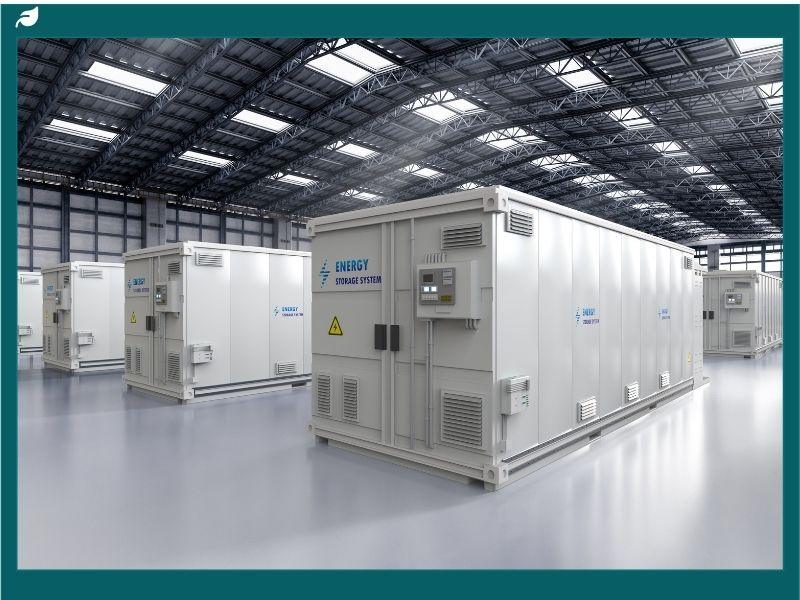
Tesla’s approach in the expanding Chinese renewable energy sector facilitates innovation and sustainability. The establishment of the Tesla Megapack battery facility in Shanghai positions the company to contribute significantly to the energy transition and carbon reduction efforts.
Battery storage is central to Tesla’s strategy, supporting China’s energy objectives by integrating advanced renewable technologies. These initiatives strengthen Tesla’s international reputation and offer a model for sustainable development that aligns renewable solutions with industrial growth.
Understanding China’s Renewable Energy Ambitions
China’s energy sector is undergoing a significant transformation, prioritizing renewable energy to decrease dependence on fossil fuels such as gas and oil. This transition serves as a strategic response to global demands for carbon reduction and sustainable practices.
China has established itself as a leader in renewable energy, with objectives that include achieving carbon neutrality by 2060. Achieving these goals requires substantial investment in renewable technologies, including wind, solar, and grid infrastructure.
Government support is evident through comprehensive policy frameworks and financial incentives. The ‘Made in China 2025’ initiative highlights the importance of sustainable energy, focusing on advancements in battery storage and renewable technologies to enhance China’s global competitiveness.
Innovations in digital energy solutions and smart grid systems are essential for improving energy consumption and distribution efficiency. Tesla’s operations in China, particularly the battery facility in Shanghai, align with these national objectives.
The Tesla Megapack provides scalable energy storage solutions that address the intermittency of renewable energy generation. By implementing grid-scale battery systems, Tesla contributes to grid stability and the reliable integration of renewable energy into urban centers.
This initiative represents progress for both Tesla and China’s renewable energy development, supporting sustainable growth in accordance with global energy standards and environmental, social, and governance (ESG) goals.
| Aspect | Tesla’s Role | China’s Goals | Impact on Sustainability |
| Battery Production | Expansion of Gigafactory in Shanghai to enhance battery manufacturing capabilities. | Increase domestic production of electric vehicle components to reduce reliance on imports. | Improved access to high-efficiency batteries supports the adoption of electric vehicles, reducing carbon emissions. |
| Renewable Energy Use | Implement renewable energy sources in the Shanghai Gigafactory to power operations. | Transition to 20% renewable energy by 2025 to reduce fossil fuel dependency. | Lower carbon footprint in manufacturing processes, contributing to cleaner industrial practices. |
| Technological Innovation | Investment in research and development for advanced battery technologies. | Promote innovation to maintain leadership in green technology and renewables. | Enhanced battery technology reduces life-cycle emissions and improves energy efficiency. |
| Market Expansion | Increase production of electric vehicles for the Chinese market. | Achieve a 40% market share of clean energy vehicles by 2030. | Boosts widespread adoption of sustainable transport solutions and reduces urban pollution. |
This table provides an overview of the collaborative strategies between Tesla and China, showcasing their impact on global sustainability efforts and energy transitions.

Grid-Scale Battery: Key to Sustainable Development
Grid-scale batteries are increasingly essential for sustainable development within China’s renewable energy framework. Tesla’s ongoing investment in its Shanghai battery factory has significant implications for energy storage innovation in China.
The reliability of the energy grid depends on efficient battery storage, with the Tesla Megapack mitigating the variability of renewable sources such as solar and wind. These battery systems store surplus energy during periods of high production and release it during peak demand, maintaining a stable power supply.
Investment in this technology supports existing infrastructure and advances China’s carbon neutrality objectives. Grid-scale batteries enhance the effectiveness of renewable technologies, facilitating the transition from traditional fossil fuels.
This approach to energy storage is vital for managing China’s urbanization and industrial growth while meeting global ESG standards. Tesla’s emphasis on grid-scale batteries aligns with China’s goals to reduce energy loss and improve efficiency through digital energy solutions.
Integrating digital technologies with battery storage creates an environment where renewable energy can be efficiently managed and utilized. This development represents a shift in energy governance, promoting resilience to climate change.
By strengthening grid infrastructure with Tesla’s battery technology, China enhances its global energy leadership. The collaboration between Tesla and China demonstrates how joint efforts in renewable technology can advance sustainability and validate large-scale energy transition strategies in developing economies.
To further explore the impact and implications of grid-scale batteries in sustainable development, consider the following aspects:
- The role of government policies in promoting battery technology adoption
- Economic benefits for China through reduced dependency on fossil fuels
- Advances in battery technology and their potential impact on efficiency
- Strategic partnerships shaping the future of renewable energy
- The influence of grid-scale batteries on global energy markets
- Challenges and solutions in integrating battery systems with existing grids
- Environmental benefits realized from large-scale battery adoption
This overview highlights the dynamic development of energy storage technologies and their central role in advancing sustainable development.
Inside Tesla’s China Battery Project
Tesla’s China Battery Project represents a significant milestone in the company’s global energy strategy. Through collaboration with Chinese partners, Tesla is enhancing battery storage capabilities to support renewable energy and digital integration.
The emphasis on strategic alliances demonstrates Tesla’s commitment to sustainable infrastructure, which is essential for achieving China’s carbon neutrality objectives.
Examining these partnerships and the role of battery storage reveals the scope of Tesla’s strategy to advance clean energy, particularly in rapidly urbanizing regions such as Shanghai.
An Overview of Tesla’s Strategic Partnerships
Tesla’s strategic partnerships in China are essential for advancing energy objectives and improving global energy standards. Collaborations with Chinese companies and government agencies allow Tesla to utilize local expertise while introducing advanced battery technologies.
This cooperation supports the deployment of the Tesla Megapack and ensures that energy solutions are adapted to China’s requirements, including efficient storage and grid optimization. These partnerships promote mutual technological development, benefiting both Tesla and its Chinese collaborators.
By aligning with the ‘Made in China 2025’ initiative, Tesla integrates renewable solutions that comply with domestic regulations and facilitate the adoption of international best practices. This alignment demonstrates Tesla’s commitment to sustainable investment and enhances the effectiveness of the Shanghai battery facility.
Additionally, these collaborations support the development of digital infrastructure, improving battery management through real-time data analytics. Digital integration enables a responsive energy grid, which is necessary for managing the variability of renewable energy sources.
The partnerships also reflect a shared commitment to addressing climate change and improving energy efficiency. Tesla acknowledges the importance of intellectual property and data sharing, which fosters innovation and results in more reliable energy solutions.
Overall, these partnerships reinforce Tesla’s global mission for clean energy and illustrate that sustainable progress depends on interconnected and strategic alliances.
The Role of Battery Storage in Advancing Clean Energy
Battery storage is fundamental to renewable energy initiatives and is central to Tesla’s strategy in China’s energy sector. The Tesla Megapack and similar storage solutions address the variability of renewable resources, contributing to a more stable and efficient energy grid.
The Shanghai battery facility demonstrates Tesla’s commitment to integrating high-capacity storage systems that support regional clean energy objectives. Energy storage is essential for managing the inconsistent supply of renewable sources.
By storing surplus energy produced during peak periods, systems like the Tesla Megapack ensure a reliable energy supply even when natural conditions are suboptimal. This capability reduces dependence on fossil fuels and increases grid resilience to climate-related disruptions.
Integrating energy storage into the grid also supports China’s industrial goals by enabling sustainable urbanization. As cities such as Shanghai expand, meeting their energy needs sustainably becomes increasingly important.
Tesla’s storage systems are instrumental in achieving this balance, advancing global ESG practices and setting benchmarks for innovative energy management. Digital enhancements in these systems improve energy allocation efficiency through real-time data and predictive analytics, optimizing resource use and minimizing waste.
These innovations highlight the transformative role of Tesla’s battery storage in promoting clean energy and supporting environmental stewardship. Battery storage is not merely a technological solution but a strategic asset in the transition to renewable energy.
Tesla’s projects in China illustrate how targeted deployment can reshape energy systems, ensuring cleaner and more reliable energy for future generations. The initiative confirms the potential of battery storage to advance sustainable practices worldwide.

Implications for ESG Practices
Tesla’s battery project in China represents a transformative initiative with significant implications for global ESG practices.
By incorporating advanced technology into the energy transition, Tesla’s Shanghai battery factory establishes new standards for ESG enhancement. The integration of large-scale battery storage supports efficient energy management and contributes to climate action.
As renewable technologies advance, Tesla’s strategy demonstrates how innovation in energy storage can align with the principles of sustainable development and comply with both global and local ESG standards.
Enhancing ESG Standards through Technology
Tesla’s Shanghai battery factory demonstrates the critical role of technology in advancing ESG standards. The integration of high-capacity energy storage systems reflects a commitment to sustainable energy practices on a global scale.
This project exemplifies the combination of advanced technology and sustainability, which is essential for addressing current climate challenges. Technological innovation is central to achieving ESG objectives and establishing best practices for sustainable technology deployment.
Tesla’s development of sophisticated battery storage, such as the Megapack, transforms energy storage and utilization, stabilizing energy grids in regions with high energy demand. Battery storage enables more reliable and sustainable energy distribution, supporting the alignment of technological advancement with ESG targets.
This approach promotes a global transition to cleaner energy, reduces carbon emissions, and improves energy system efficiency. Tesla’s initiative serves as a model for integrating ESG principles into energy projects.
By prioritizing renewable energy, minimizing fossil fuel use, and fostering technological progress, Tesla demonstrates leadership in climate action. The focus on renewable technology is both a strategic and ethical decision, embedding ESG practices within the energy sector.
The project in China illustrates that effective use of technology can drive improvements in ESG standards, promoting transparency, efficiency, and sustainability in global markets. Tesla’s efforts highlight the potential of technology to enhance ESG practices.
The Shanghai battery plant represents a commitment to sustainable innovation and sets benchmarks for future projects. This initiative embodies Tesla’s vision of integrating technology with sustainable development and underscores its role in advancing ESG standards in pursuit of a sustainable energy future.
Tesla’s battery project in China constitutes a major milestone in the advancement of global sustainable energy solutions. By introducing innovations in one of the world’s largest energy markets, Tesla expands its presence in Asia and establishes a model for integrating clean technologies internationally. Continued collaboration between industry leaders and government agencies is essential for progress.
This partnership will facilitate the global transition to renewable energy and highlights Tesla’s role as a catalyst for a more sustainable future.