SUNOTEC, a leading European company for the development and construction of large-scale solar power plants with a specialization in end-to-end delivery of green energy infrastructure, has rolled out an investment representing an additional 115MWP (mega-watt peak) of solar power. The announced projects are either fully owned by SUNOTEC or in collaboration with Solaris Holding AD. Bulgaria, the company’s home country, welcomes the investment as a significant step to improve local energy infrastructure.
BESS, Battery Energy Storage System, is a relatively new method of energy storage, designed to reduce overall energy waste. This investment represents an increase of 763MWh of improved battery storage, helping reduce overall energy consumption owing to a more effective storage method. Among the projects included are six standalone BESS projects and one co-located project.
Batteries have long represented an issue for the energy transition. Proper storage of energy reduces the demand for fossil fuels to shore up the often unpredictable energy shortcomings of wind and solar, which are dependent on hard-to-predict energy flows. SUNOTEC’s investments will help Bulgaria reduce its overall reliance on fossil fuels and enable a backup of energy in case demand faces moments of unpredicted stress.
About the project, Victor Stefanov, the Head of IPP at SUNOTEC, has said, “These projects mark a major milestone in our evolution not only as a turnkey solutions provider, but also as a long-term investor in renewable energy infrastructure. With these investments, we are contributing to Bulgaria’s energy independence and to building a more resilient, flexible, and renewable power system.”
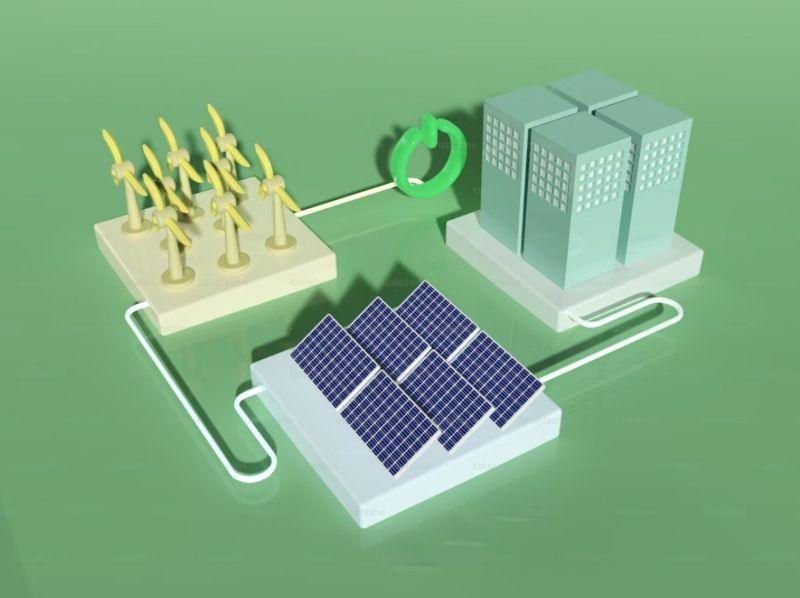
Having gained approval from the Bulgarian Ministry of Energy under its Restore program, this represents a significant step towards providing for an enhanced grid network in the country. These projects complement SUNOTEC’s existing operational assets, namely Pernik, Verinsko, and Selanovtsi.
SUNOTEC holds an 11% share in the solar energy construction industry in the EU. With over 2,000 employees and offering turnkey renewable, sustainable solutions to energy, this new investment represents a full commitment to the company’s dedication to a greener economy. Working alongside government programs shows how private investment can be used in the energy transition to achieve a country’s sustainability targets.
In conclusion, the actual production of green energy is one part of the puzzle. Batteries make them an inherently more reliable source of green energy and increase the robustness of an electricity grid, acting as a useful long-term store of power.