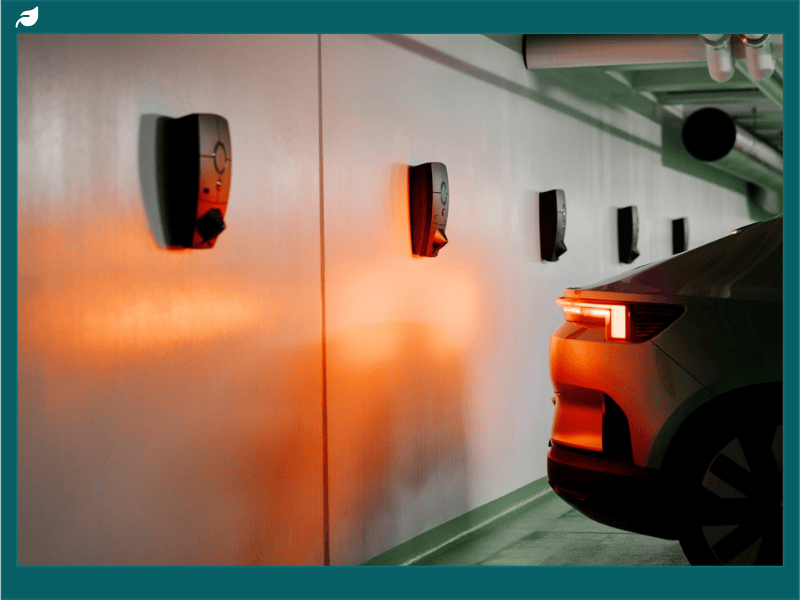
Paua has partnered with Zaptec to give fleet operators a connected electric vehicle charging system spanning homes, workplaces, depots and public networks. The collaboration combines Paua’s payment, charge card and reimbursement platform with Zaptec’s charging hardware and fleet management capabilities. It is designed to give businesses one dashboard, one monthly invoice and a consistent driver experience across charging locations. For fleets managing the practical shift to electric vehicles, the partnership brings together infrastructure, energy data and payment administration in a single offer.
One Connected Charging Estate
Fleet charging is increasingly distributed across several settings. Employees may charge company cars and vans at home, drivers need access to public chargers while travelling, and employers are installing infrastructure at depots and workplaces as vehicle numbers rise. This can leave fleet teams handling separate systems, expense claims and charging records, while attempting to understand costs across their entire operation.
The Paua and Zaptec partnership addresses this operational gap by connecting charging events across home, workplace, depot and public locations. Businesses can view charging activity by driver, vehicle and location, consolidate reporting, and equip drivers with a charge card and app for charging away from base.
Niall Riddell, CEO and co-founder at Paua, said:
“Fleet electrification should be an operational advantage, not an administrative burden. Businesses need confidence that drivers are reimbursed accurately, charging infrastructure can scale with demand, and fleet managers have complete visibility of charging activity. Our partnership with Zaptec provides a simpler, smarter way to manage EV charging across an entire fleet.”
Automated Home Reimbursement
Home charging reimbursement remains a practical issue for many organisations operating electric fleets. Estimates and manual expense submissions can make it difficult to reflect an employee’s electricity tariff accurately, while adding work for drivers and fleet administrators.
Under the collaboration, Zaptec chargers share charging session data with Paua through in-built energy meters. This allows charging costs to be calculated against an employee’s electricity tariff and supports reimbursement for business mileage using actual charging data. The companies state that the approach offers a fair, transparent and HMRC-compliant reimbursement process.
Paua’s platform also provides access to more than 95,000 public charge connectors across the UK. This means drivers can use the same charge card and app when charging beyond their home or workplace, while fleet managers retain visibility through the wider reporting system.
Infrastructure Built To Scale
For workplaces and depots, infrastructure capacity and installation requirements can influence the pace of fleet electrification. Zaptec’s Pro charger is intended for commercial sites, while the Zaptec Go 2 supports home charging for company car and van drivers. Both sit within Zaptec’s cloud-based management environment, which provides visibility of charging activity, energy consumption and charger performance.
Zaptec Pro uses a patented architecture that enables multiple chargers to be installed using a single cable. According to the companies, this can reduce material usage by up to 70% and installation labour by more than 60%. Its dynamic load balancing technology is designed to allow fleets to charge multiple cars, vans and future commercial EV without costly upgrades to existing electrical infrastructure.
Albert Parnell, Head of partnerships at Zaptec, said:
“Fleet managers need charging solutions that are as flexible as the way their drivers operate. By combining Zaptec’s intelligent charging technology with Paua’s payment and fleet management platform, we’re enabling organisations to gain greater visibility, provide a turn-key solution and reduce the workload for companies to accelerate their transition to a fully electric fleet for home and depots.”
Preparing For Energy Flexibility
The partnership also incorporates a longer-term energy management dimension. Zaptec Go 2 is Vehicle-to-Grid ready, positioning fleets to take advantage of future systems in which electric vehicles can operate as distributed energy assets. As V2G capabilities become more widely adopted, this could help fleets manage energy costs and support grid flexibility.
Zaptec chargers are built and engineered in Norway for demanding operating conditions. The company backs its equipment with a five-year warranty and reports 99.9% uptime, giving fleet operators an important measure of confidence as charging estates expand.
Simplifying Fleet Electrification
By joining charging hardware with payment and reimbursement systems, Paua and Zaptec are responding to a central challenge for commercial EV adoption: charging does not happen in only one place. The partnership gives fleet operators a route to automate home charging reimbursement, monitor usage across locations, manage public charging access and receive a single monthly invoice.
For businesses building electric fleets, that integration offers a practical way to reduce fragmented administration while scaling charging provision around the needs of drivers, vehicles and sites. Paua and Zaptec’s combined proposition places connected charging operations at the centre of fleet electrification planning.