Accidents and safety slips are common occurrences on construction sites. Generally, it’s the site managers or general contractors who are held responsible whenever such an incident occurs and workers are injured. Primarily because it’s their responsibility to ensure all the safety precautions are in place and workers are properly trained in safely operating heavy machinery and equipment. In addition to the worker’s physical safety, they must ensure their well-being too.
However, safety should be a shared responsibility among site managers, general contractors, team leads, and workers. When everyone actively contributes to maintaining a secure work environment, construction sites become significantly safer, reducing the risk of accidents and injuries.
In this article, we highlight the 7 steps every project manager must take to ensure complete worker safety on building and construction sites.
1. Create a Project-Specific Safety Plan
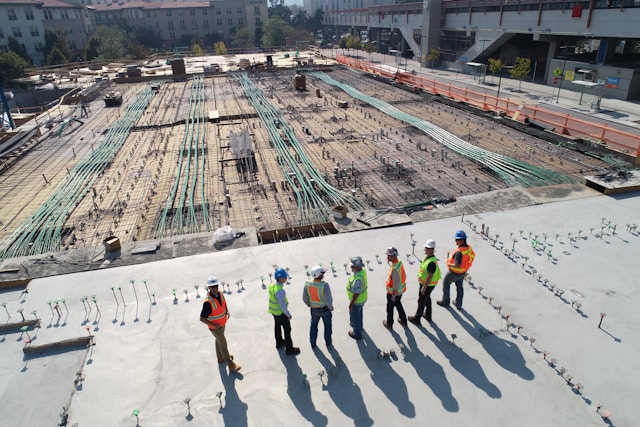
Every day is different on construction sites, and this is true for any project. Prior planning, especially that concerns on-site safety, is a must for a project regardless of the scale. Just as project managers would plan the materials, workforce, welfare trailers and construction schedule beforehand, they must also create a safety plan before the first brick is laid.
A project-specific safety plan is created only after a thorough examination and evaluation of the present and potential hazards on site. Instead of using a one-size-fits-all approach, tailoring your safety plan according to your project greatly prevents and reduces the chances of injury or death in case of accidents.
The next step is to break down the complete project into smaller, manageable, individual tasks along with an understanding of the risks and the equipment needed to complete each task.
2. Frequently Inspect Each Construction Site
Inspections are important to any construction project and must be carried out routinely, not just at the beginning. Inspect the entire site, including machines and equipment, before work begins and after work ends. This gives you and your team the reassurance that everything is going according to plan.
On a construction site, trips, slips, and falls cause the most injuries. Conducting regular site safety inspections ensures the site is free from debris and clutter that could become tripping hazards for workers. In addition to visible hazards, it’s equally important to monitor air quality in confined or high-risk areas. Using tools like PK Safety’s portable multi-gas monitors can help detect harmful gases early and prevent serious health risks.
One simple and effective way to ensure the safety, as well as the sustainability, of your site is by ensuring proper segregation and disposal of debris and other site waste. You can contact firms that specialise in segregating and processing construction waste and take a step towards building an eco-friendly and sustainable project.
3. Ensure Workers are Properly Trained
Construction work is one of the most risky jobs in the world, and no one should take it lightly at any cost. Considering the risks and hazards involved, it becomes all the more important for workers to receive proper safety training to prevent on-site accidents, injuries and death.
On-site safety training teaches all project stakeholders how to carry out their tasks safely without harming themselves or others. It covers handling heavy machinery to wearing protective work clothing as well as steps to take during an emergency.
Safety training sessions shouldn’t be restricted to new hires; your current workers will also benefit from training sessions that work like a refresher. It’s quite normal for individuals to get complacent when they’ve been working at a job for a while, and that’s why it’s recommended that experienced workers receive ongoing training too.
4. Hold Safety Meetings Often
An extension to ongoing safety training for your employees is conducting regular safety meetings. In addition to the daily site inspections, you can hold staff safety meetings every morning in site offices before work begins.
In these meetings, your workers can inspect their machinery and safety gear, including PPE (personal protective equipment), safety goggles, and gloves. During this meeting, it’s a good idea to discuss the project’s hazards, both present and potential, and review any accidents that may have occurred on the previous day.
If an accident has occurred recently, a quick refresher of the safety protocols and emergency procedures can help your employees stay alert.
5. Establish a Safety Culture Among Workers
Safety is everyone’s responsibility when working on-site, even though the primary responsibility falls in the site or project manager’s lap. When everyone’s safety is the core focus while working on site, it not only ensures the completion of work efficiently and properly but also keeps all on the site safe for the entirety of the project.
This is why building a safety culture across areas and levels is of prime importance. Conducting safety meetings, site safety inspections, and reinforcing safety rules and procedures are the key elements to establishing a watertight safety culture among your employees. Additionally, creating an active safety committee ensures that everyone has a significant role to play towards their own and the site’s safety.
6. Encourage Other Workers to Speak Up
Everyone is equal when it comes to safety. Everyone, from the labour to the executive, must speak up if they feel their safety is at risk or observe any unsafe behaviour.
A safety committee consisting of people from various levels can help open dialogue and reduce communication gaps. Managing safety on site is not just the responsibility of those not actually involved in construction work. It is a collective and equal ask of all stakeholders to ensure their own safety and the safety of others.
Communicating safety gaps at work works like a preventive move towards ensuring improved safety procedures. This is in addition to the safety plans, on-site safety inspections, protective gear and related measures in place to prevent construction-related accidents and fatalities.
In the unfortunate event that an accident does occur despite all preventative measures, it’s crucial to know your legal options. Consulting a lawyer for personal injuries can help injured workers understand their rights and navigate potential compensation claims resulting from construction site accidents.
7. Prepare an Emergency Response Plan
Emergencies never come with prior warnings. Along with a regular safety plan, it’s all the more important to chalk up an emergency response plan. This plan directs all on the site on the steps to take in case of emergencies such as fire, natural disasters, hazardous material spills, or any other type of incident.
Not knowing how to properly handle these emergent situations can result in loss of life, damage to property and equipment, prolonged project delays or even complete project shutdowns. Avoid unfavourable project outcomes by making sure that a committed and skilled safety team is available to handle emergency situations, respond to enquiries, identify problems with quality or near-misses, and quickly report possible risks.
Summing Up
In conclusion, ensuring and managing on-site safety is not a one-person job; it’s the collective responsibility of all those involved in the project. Creating a project-specific safety plan, holding safety meetings, routinely inspecting safety measures and equipment, and implementing an emergency response plan are the various steps that ensure the safety of everyone on site.