Africa stands at the forefront of ecotourism, offering travelers a chance to experience its breathtaking landscapes and unique biodiversity responsibly. From the pristine beaches of Zanzibar to the lush rainforests of Uganda, the continent presents diverse opportunities for eco-friendly adventures. As interest in sustainable travel grows globally, African destinations are increasingly spotlighted for their commitment to conservation and community empowerment. Whether tracking gorillas in Rwanda or exploring the dunes of Namibia, ecotourism in Africa fosters a deep connection with nature and promotes environmental stewardship. Discover how this vibrant continent leads the way in sustainable travel experiences.

Ecotourism in Africa: An Overview
Ecotourism in Africa represents a burgeoning sector within the continent’s broader tourism industry, emphasizing the need for sustainable tourism practices. This approach not only aims to conserve the natural environment but also supports local communities and economies. With its rich biodiversity and vast landscapes, Africa is uniquely positioned as a leading ecotourism destination, drawing millions of eco travel enthusiasts annually. This overview helps understand how ecotourism contributes to conservation efforts and responsible travel, spotlighting Africa’s dedication to preserving its unparalleled nature and fostering sustainable experiences for travelers worldwide.
Defining Ecotourism and Its Significance
Ecotourism is a branch of tourism that focuses on visiting natural areas, aiming to conserve the environment, sustain the well-being of local people, and involve interpretation and education. Within the African context, ecotourism provides a critical platform for promoting sustainable tourism, where conservation and community development go hand in hand. The significance of ecotourism cannot be underestimated, it’s a vital tool for both protecting Africa’s rich biodiversity and empowering local communities through responsible travel practices and eco-friendly ventures.
The ecotourism industry in Africa is marked by its emphasis on low-impact travel and sustainable practices. This approach ensures that tourism activities do not harm the delicate ecosystems they’re meant to showcase. Many ecotourism experiences involve activities like wildlife viewing, bird watching, and exploring pristine landscapes, enabling travelers to engage with nature while minimizing their ecological footprint. Africa, with its diversity of ecosystems, from the savannas to jungle areas, offers unparalleled attractions for eco travel enthusiasts. Through education and responsible tourism, ecotourism plays a significant role in promoting awareness about environmental issues while directly contributing to conservation efforts.
Moreover, ecotourism creates economic opportunities by integrating communities into tourism activities, allowing them to benefit from resources and economic inflows while also engaging them in preserving their cultural and environmental heritage. Responsible travel ensures that tourism supports local economies rather than exploiting them. By aligning with sustainable tourism, Africa not only offers travelers a unique, enriching travel experience but also facilitates the long-term conservation of its natural assets, preserving Africa’s nature for future generations while offering economic stability for its people.
Top African Destinations for Ecotourism
In the realm of ecotourism, Africa stands out with a multitude of destinations offering breathtaking natural beauty and unparalleled experiences. Each location provides visitors with unique opportunities to connect with nature while contributing to sustainable tourism practices. Prominent among these are destinations like Zimbabwe, where impressive wildlife and conservation efforts go hand in hand. Such places not only attract eco-travel enthusiasts with their rich biodiversity but also play a pivotal role in supporting local communities and preserving ecosystems. As the continent’s ecotourism sector expands, exploring these incredible destinations has never been more rewarding.
Exploring the Wonders of Zimbabwe
Zimbabwe is an alluring gem in the African ecotourism landscape, recognized for its awe-inspiring natural reserves and commitment to sustainable tourism practices. Home to the famed Hwange National Park, Zimbabwe offers a sanctuary for African wildlife, featuring one of the largest elephant populations on the continent. The park’s efforts in conservation ensure that travelers can experience the grandeur of Africa’s ecosystem in its pristine form. Moreover, ecotourism destinations in Zimbabwe don’t stop at wildlife. Places like the majestic Victoria Falls provide visitors with breathtaking views and immersive experiences that highlight the country’s natural wonders.
The ecotourism initiatives in Zimbabwe showcase a dedication to both environmental sustainability and the empowerment of local communities. By integrating eco-friendly experiences with efforts to improve the socio-economic conditions of the region, Zimbabwe creates a model for sustainable tourism in Africa. Travelers to Zimbabwe can engage in activities such as guided wildlife tours led by local experts, fostering a deeper understanding of conservation efforts and wildlife behavior. These experiences not only enrich the visitor’s journey but also generate vital revenues that support community projects and wildlife protection measures.
Additionally, Zimbabwe positions itself as an exemplar of destination-based conservation, where every visitor contributes to its ecological and social goals. By choosing Zimbabwe’s ecotourism destinations, travelers partake in responsible tourism that harmonizes adventure with preservation, ensuring these extraordinary landscapes and wildlife remain vibrant for generations to come. With a focus on creating lasting impacts, Zimbabwe continues to be a leading ecotourism destination that intertwines the thrill of discovery with the principles of sustainability.

The Role of National Parks in Wildlife Conservation
National parks play a critical role in Africa’s ecotourism landscape by serving as vital hubs for wildlife conservation. These protected areas form the backbone of conservation efforts across the continent, providing a refuge for diverse species and unique ecosystems. Many parks are crucial to the region’s ecotourism economy, drawing international attention to Africa’s natural wonders. In these areas, regulated wildlife tourism provides insights into sustainable practices while fostering a deeper understanding of the significance of conservation. Moreover, national parks are instrumental in protecting habitats and supporting environmental education initiatives aimed at preserving Africa’s biodiversity.
Notable National Parks in Africa
Among the continent’s extensive range of protected and revered destinations, Kruger National Park in South Africa stands out as both a landmark in wildlife conservation and a prime site for ecotourism. As one of Africa’s largest reserves, Kruger encompasses a diverse assembly of wildlife, from the iconic Big Five to numerous bird species, making it a hotspot for nature enthusiasts. The park’s conservation efforts focus not only on protecting wildlife but also on restoring ecosystems, involving local communities in sustainable tourism development.
Through partnerships with private reserves, Kruger bolsters its protection initiatives, ensuring that its ecotourism activities contribute positively to wildlife conservation. Tanzania’s Serengeti National Park is another pivotal area, renowned for its dramatic wildebeest migration, a natural spectacle that captures the essence of Africa’s biodiversity. This national park is central to Tanzania’s wildlife tourism strategy, illustrating the delicate balance between facilitating awe-inspiring travel experiences and conserving natural resources.
National parks across Africa, such as Botswana’s Okavango Delta, also highlight the continent’s commitment to eco-friendly tourism by prioritizing low-impact visitation and the engagement of local communities in conservation discussions. These parks are more than tourist attractions; they are vital to preserving Africa’s natural heritage, providing sustainable alternatives to mass tourism. Through ongoing conservation initiatives, these parks remain instrumental in safeguarding the future of wildlife and ecotourism on the African continent.
Responsible Travel: Principles and Practices
Responsible travel serves as a cornerstone of sustainable tourism, emphasizing not just the preservation of natural resources but also the well-being of local communities. It’s about adopting practices that minimize environmental impact while maximizing socio-economic benefits for host regions. In Africa, this means engaging in eco travel experiences that support conservation efforts and community development. By respecting local cultures and investing in community-based conservancies, travelers contribute to long-term sustainability. Adopting responsible travel principles ensures that tourism remains a positive force in Africa, harmonizing exploration with ecological and social responsibilities.
How to Engage in Responsible Travel
Engaging in responsible travel involves a conscientious approach to tourism that aligns with the principles of sustainability and conservation. Travelers can adopt several practices to ensure their journey has a positive impact. First, selecting eco travel options that emphasize community engagement is vital. This includes participating in tours led by local guides and visiting community-based conservancies, which support both preservation efforts and economic growth for the local population. Such interactions not only enrich the traveler’s experience but also empower the community by generating income and fostering cultural exchange.
Moreover, choosing accommodations that practice sustainability and uphold environmental standards is critical. Opting for eco-friendly hotels and lodges reduces the ecological footprint and supports businesses that prioritize conservation. Travelers should also consider their consumption habits, such as reducing waste and using resources responsibly, further adhering to the principles of sustainable travel.
Supporting conservation initiatives is another key aspect of responsible travel. By contributing to local conservation projects, travelers aid in the protection of Africa’s unique biodiversity. These efforts, in turn, provide educational opportunities for both the visitors and the communities involved, enhancing awareness about the importance of preserving natural habitats. Through these comprehensive practices, responsible travel not only enhances the travel experience but also ensures that Africa’s unparalleled environments and communities thrive for future generations. By aligning travel plans with sustainable ethos, travelers become active participants in the global movement towards more equitable and environmentally conscious tourism.
Understanding Wildlife Tourism in Africa
Wildlife tourism in Africa is a multifaceted sector, providing unique opportunities to engage with some of the most iconic wildlife on the planet. This dynamic industry not only highlights Africa’s rich biodiversity but also underscores the essential balance between conservation and tourism. By fostering ecotourism and supporting sustainable practices, wildlife tourism in Africa plays a pivotal role in protecting ecosystems while offering memorable experiences. As travelers seek more responsible travel options, Africa’s dedication to both conservation efforts and sustainable tourism becomes increasingly vital.
Balancing Conservation and Tourism
The intersection of conservation and tourism in Africa requires a delicate balance, as the two domains can either complement or conflict with each other. Wildlife tourism offers an economic impetus that supports conservation efforts, allowing for the protection and management of crucial wildlife habitats while generating revenue. This revenue can be funneled back into sustaining conservation projects, safeguarding vibrant ecosystems and the diverse species that inhabit them.
Sustainable tourism contributes by promoting practices that minimize environmental footprints, such as guided tours that enforce strict protocols to avoid wildlife disturbance. Africa’s diverse landscapes, from savannas to rainforests, present varied ecosystems that necessitate distinct conservation strategies, tailored to local wildlife and environmental needs. Engaging local communities in these efforts ensures that tourism benefits are equitably distributed, fostering economic growth while preserving cultural heritage.
Furthermore, promoting responsible travel is key to mitigating potential adverse impacts of tourism, emphasizing education and awareness among travelers about their ecological responsibilities. This involves encouraging eco-friendly travel choices that protect wildlife, such as adhering to designated pathways in reserves and respecting animal boundaries. Through integrated approaches, Africa effectively harmonizes wildlife conservation and tourism, crafting sustainable experiences that highlight the continent’s natural allure while ensuring biodiversity thrives for future generations.
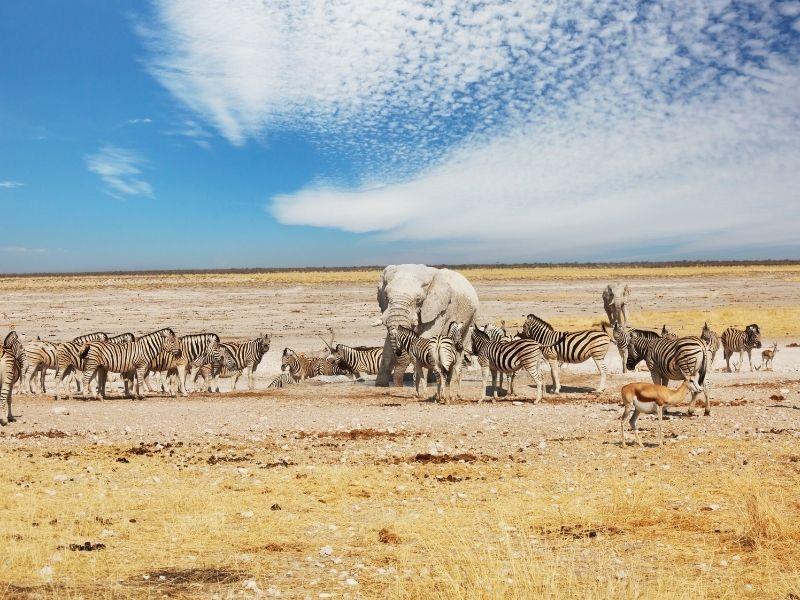
African Safaris: A Unique Experience
African safaris offer an unparalleled opportunity to engage deeply with the continent’s remarkable wildlife and natural landscapes. As the concept of ecotourism gains traction, experiencing wildlife through a sustainable lens has become central to safari adventures. These journeys allow travelers to immerse themselves in Africa’s diverse ecosystems while fostering conservation. Featuring destinations like the renowned Okavango Delta, these eco-friendly safaris emphasize sustainable practices, ensuring that adventures do not harm the pristine environments they explore. In this section, we delve into strategies for planning an eco-friendly safari adventure, ensuring memorable and sustainable experiences.
Planning an Eco-Friendly Safari Adventure
When planning an eco-friendly safari adventure, it’s essential to consider destinations that prioritize sustainable tourism and conservation. African safaris in places like the Okavango Delta present a perfect blend of adventure and responsibility, where travelers can witness extraordinary wildlife in their natural habitat. To ensure your safari is both impactful and eco-conscious, start by selecting accommodations that adhere to green principles, using sustainable resources and minimizing their ecological footprint. Many lodges within these regions are actively involved in conservation efforts, contributing to the protection of the local flora and fauna.
Choosing a safari operator committed to sustainable practices is another crucial step. Such companies often engage in community-based tourism, providing jobs and supporting local economies while preserving African wildlife. This approach aligns with responsible travel principles, ensuring the benefits of tourism accrue to local communities. Participating in guided tours led by expert naturalists offers insights into the ecosystems you’re traversing, enhancing the educational value of your journey and fostering a greater appreciation for wildlife conservation.
Moreover, travelers should aim to minimize their impact by following best practices, such as reducing waste, conserving water, and respecting wildlife by maintaining a safe distance. Many safari providers also offer opportunities to engage with conservation projects directly, allowing you to contribute to initiatives aimed at preserving Africa’s natural heritage. Engaging in these activities not only enriches your experience but also supports the ongoing effort to maintain Africa’s unique biodiversity for future generations. By embracing sustainable practices, each eco-friendly safari adventure becomes a part of a broader narrative that values and protects the splendid wilderness of Africa.
The Future of Ecotourism
The future of ecotourism holds great promise, not just in supporting the environment but also in cultivating meaningful community relationships. As the world pivots towards more sustainable tourism models, Africa is positioned at the forefront of this transformation, leveraging its natural beauty and rich biodiversity. Emerging innovative trends and sustainable practices are creating new opportunities within the ecotourism industry, ensuring both conservation efforts and local community benefits are prioritized. By blending technology, education, and eco-conscious ventures, Africa continues to set the stage for a thriving ecotourism landscape that balances economic growth with ecological integrity.
Innovative Trends and Sustainable Practices
The ecotourism industry is witnessing a surge in innovative trends that are reshaping sustainable practices across Africa. Key among these trends is the integration of digital technology into ecotourism experiences, enhancing conservation education and visitor engagement. Virtual reality (VR) and augmented reality (AR) are being used to allow potential tourists to explore African wildlife and nature from afar, promoting an appreciation for conservation efforts before setting foot on the continent. This innovation not only enhances the visitor experience but also reduces the environmental impact associated with travel.
Furthermore, the ecotourism industry in Africa is increasingly adopting sustainable practices that prioritize community involvement. Community-based tourism models are becoming mainstream, where locals actively participate in and benefit from tourism activities. These models emphasize the importance of preserving cultural heritage while promoting eco-friendly travel options. For instance, lodges are opting for solar power and sustainable water management systems to minimize ecological footprints, thereby aligning with the goals of conservation.
Another notable trend is the emphasis on regenerative tourism, which goes beyond the “do no harm” principle to contribute positively to the environment. This approach encourages travelers to engage in activities such as tree planting or participating in local wildlife monitoring programs, ensuring that their visit leaves a lasting positive mark on the ecosystems visited. Such initiatives are crucial for driving sustainability and empowerment within Africa’s tourism sector, showcasing the continent’s commitment to maintaining its unmatched biodiversity while fostering a nurturing environment for both wildlife and communities. These efforts illustrate how Africa is leading the charge in ecotourism, blending innovative trends with sustainable practices to create a future-proof model of tourism development.
As ecotourism continues to gain momentum, Africa remains a beacon for travelers seeking authentic, sustainable experiences. With its rich tapestry of biodiversity and cultural heritage, the continent presents endless opportunities to immerse in nature while supporting conservation efforts. From the lush rainforests of Central Africa to the stunning savannahs of the Serengeti, each destination offers unique insights into preserving our planet’s treasures. Enthusiasts can engage with local communities, promote eco-friendly practices, and contribute to the preservation of vital ecosystems, ensuring these breathtaking landscapes thrive for generations to come.