Sustainable business travel has never been more critical. With 78% of U.S. consumers valuing a sustainable lifestyle, according to NielsenIQ, and 63% of employees believing their employers should take more action in this area, as per Deloitte, organizations must step up.
Employee Buy-In: The First Step to Sustainable Travel
The foundation of any successful sustainability initiative lies in employee engagement. Businesses need to move beyond policy creation and actively embed sustainable practices into their day-to-day operations.
One approach is transitioning to an Employee Owned Trust (EOT), as seen in the case of Sledge, a London-based agency. “In order to embed sustainability throughout our entire business model, we needed to put our people at the centre of the business, align them towards the same goals, and provide them with the tools to achieve these objectives,” says Laura Chalcraft, Operations Director & Sustainability Lead at Sledge.
By involving employees in the development of a Sustainability Management System (SMS), Sledge has cultivated a culture where sustainable travel policies are not just mandates but integral to daily decision-making.

Practical Steps for Minimizing Travel Impact
For businesses operating on a global scale, travel is often unavoidable. However, companies can take actionable steps to minimize their environmental footprint:
- Develop a Sustainability Toolkit: A comprehensive toolkit should include a team handbook outlining sustainable travel expectations and a robust measurement tool to track environmental impact.
- Adopt BOSS Thinking: The Best Overall Sustainable Solution (BOSS) approach helps employees determine the most eco-friendly travel option for a given task.
- Integrate the PFPC Metric: The Potential for Positive Change (PFPC) metric, inspired by B Corp principles, allows employees to evaluate how their travel choices contribute to broader environmental and social sustainability.
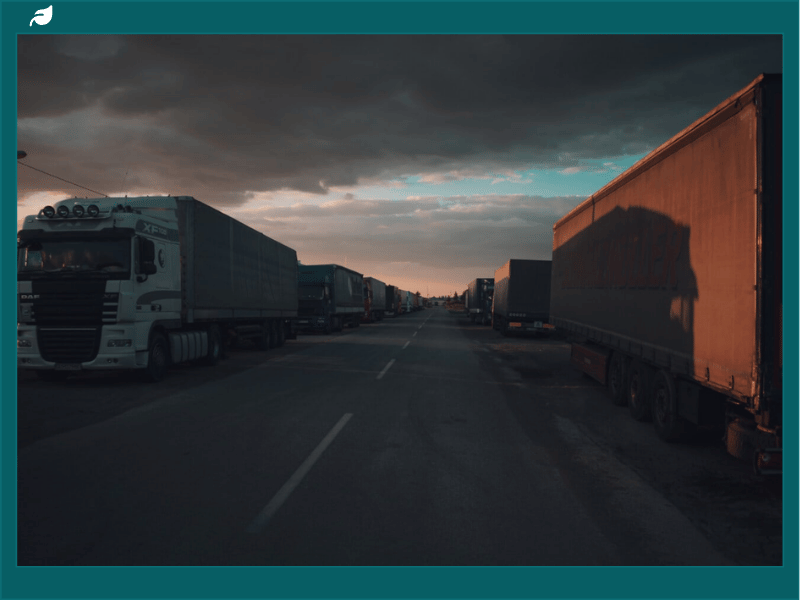
Sledge exemplified these principles in a recent project in Paris, opting for train travel over air travel, which, according to Eurostar, reduces emissions by 96%. The company also consolidated furniture and tech equipment into a single truck, eliminating unnecessary transportation emissions.
Optimizing Operational Models for Sustainable Travel
Remote and dynamic working arrangements are another avenue for reducing travel-related emissions.
“Operationally, this year we have reduced our office days from three to two, and champion dynamic working,” Chalcraft notes. “This means employees not only work remotely but at hours that reflect their clients’ time zones, so there is less of a need for physical travel.”
Reducing office presence and adopting remote collaboration tools can significantly cut travel-related emissions, making sustainability an inherent part of corporate culture.
Beyond the Environment: Social Responsibility in Travel
Sustainability is not just about the environment—it has social dimensions as well. Companies should integrate social responsibility into their travel policies and event planning.
Sledge employs the IMPACT measurement tool, linked to the UN Sustainable Development Goals (SDGs), to assess how travel and projects contribute to social good.
For instance, the agency’s work on the 2024 HPE Aruba Networking Day event, attended by 140 people, showcased sustainable event practices. By partnering with sustainable events consultancy Event Cycle, Sledge repurposed canvas prints into stuffing for boxing bags, which were then donated to a men’s mental health charity.
A Conscious Future for Sustainable Business Travel
Travel will remain an essential component of business, but its environmental and social impact can be mitigated through intentional strategies. By empowering employees, leveraging sustainability frameworks, and integrating corporate social responsibility, organizations can lead the way in embedding sustainable travel as a standard, not an exception.
As Chalcraft emphasizes, “Travel is often unavoidable, yes, however by empowering your people to consider the best possible sustainable solution and measure their potential impact both before and after they travel, it is possible to continue to do business, while consistently and consciously leaving a more positive legacy than before.”