Loose Fruit and Veg Key to Cutting £4 Billion in Fresh Produce Waste
Fresh produce waste in the UK has reached staggering levels. During Food Waste Action Week, new data from Love Food Hate Waste reveals that UK households discard over 2.5 million tonnes of fresh produce each year. Shockingly, 1.7 million tonnes are still edible, costing households a combined £4 billion annually.
One major cause? Most fresh produce is sold in packaged portions. This makes it difficult for shoppers to buy the amount they actually need. The findings come from the Household Food Management Survey, the UK’s largest study of food waste. It shows rising waste levels for everyday staples like bread, milk, potatoes, and chicken. Potatoes are the worst offender, with 510,000 tonnes thrown away each year. That’s 46% of all potatoes bought.
Why Packaged Fresh Produce Drives Waste
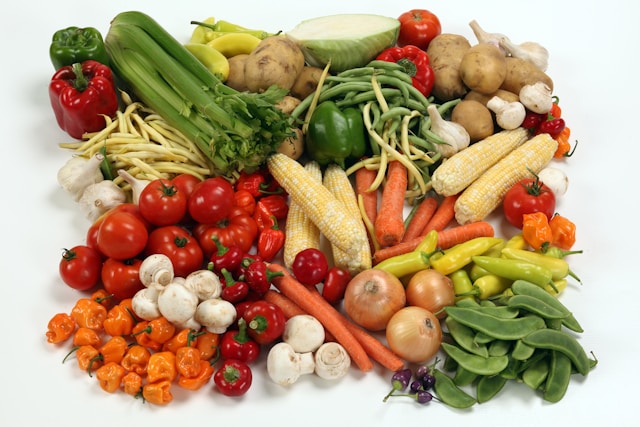
The study highlights the role of packaging in food waste. Only 19% of fresh produce is sold loose by major UK retailers. This restricts consumers from buying in the quantities they want.
“We see fresh produce as the real kitchen victim when it comes to food waste. Because most fruit and veg is sold packaged, we have to buy what we’re given not what we need, and that means a lot goes to waste. As a result, our bins have a diet that most nutritionists would envy. And we’re a long way from breaking our food waste habit because of this packaging,” said Jackie Baily, Senior Campaign Manager at Love Food Hate Waste.
Packaged produce encourages overspending and overbuying, especially for perishables. This often leads to food being thrown away before it’s used. The report points out that store layouts and packaging practices are not aligned with sustainable shopping behaviour.
A High Cost at Home
UK homes are losing up to £1,000 a year due to food waste. Most of that waste comes from fresh produce. During recent years, food waste stayed lower due to inflation and concerns over supply. But now, waste levels are climbing again. Self-reported waste of key foods like potatoes and milk is now 21%.
The survey found that 27% of people are classed as high food wasters. While waste is widespread across all groups, younger adults and families with children waste more. People with unpredictable routines—who miss meals or eat out unexpectedly—are also more likely to waste food.
Food delivery services are another factor. Users of subscription boxes, click-and-collect, or meal deliveries report significantly higher food waste. In some cases, waste was up to 48% higher.
Fresh Produce Buying Habits Are Shifting
Despite these issues, shoppers want better options. Many prefer to buy loose fruit and vegetables, as it lets them choose the right amount. Shoppers also trust their own judgement when checking if food is still good. For example, 75% of people said they don’t need a Best Before date to judge an onion.
This confidence doesn’t carry over to riskier foods like chicken and pork. In those cases, people rely more on Use By dates. But for most fresh produce, people prefer to trust their senses.
There is also a gap between perception and reality. Nearly 80% of people believe they waste less than average. The data, however, tells a different story.
Toward a Less Wasteful System
Love Food Hate Waste and WRAP are urging retailers to rethink packaging. If apples, bananas, and potatoes were sold loose, it could prevent 60,000 tonnes of waste each year. That’s equal to 8.2 million shopping baskets of saved food.
WRAP is calling for a consultation on banning packaging for 21 key fruit and veg items. Countries like France have already introduced similar rules.
The group’s recommendations include:
- Making loose produce more available in supermarkets
- Offering smaller pack sizes at fair prices
- Reducing promotions that push bulk buying of perishable items
- Helping shoppers improve meal planning and portioning
Separate food waste collections will soon become mandatory across England. This will highlight just how much food is being wasted. Changing retail strategies and educating consumers can reduce waste at the source.
Industry Implications
The findings are a wake-up call for the food sector. Retailers must reconsider how they sell fresh produce. Packaging should support—not hinder—sustainable choices. Public education is also essential to help people waste less at home.
Reducing food waste contributes to several key sustainability targets. It supports the UK’s net zero goals and the UN’s Sustainable Development Goals. Cutting waste also eases pressure on global food systems and reduces emissions.
Fresh produce waste is more than a household issue. It reflects wider systemic problems—from supply chains to consumer habits. Fixing it will require action from retailers, policymakers, and shoppers alike.