The idea of a zero-waste business sounds like a dream come true in today’s environmentally conscious world. Everyone wants to do anything and everything they can to make their home and their business more sustainable. People want to try to incorporate better habits into their lifestyles that help the planet rather than harm it.
So, as a business owner, just try to imagine running a company that produces no waste at all—no trash cans overflowing with disposable coffee cups, no stacks of discarded paperwork, and no leftover materials from production processes. The concept is attractive, right? Not only that but for its environmental benefits and also for the potential cost savings and positive brand image it can generate.
Seriously, what business wouldn’t want that? But is it really feasible to make a business 100% zero-waste? That’s the real question: it’s ideal, but can this actually work? Well, let’s explore this possibility.
You Have to Understand That Zero-Waste is More Than Just-Recycling
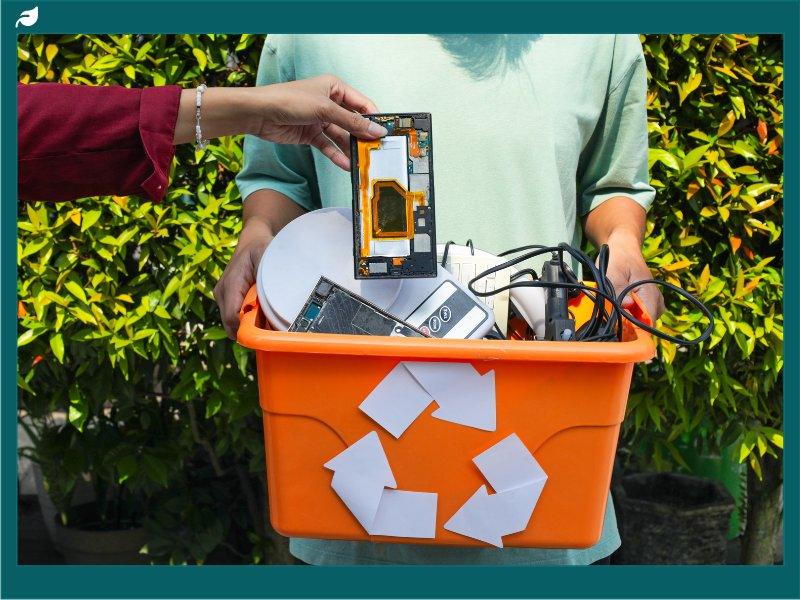
When we talk about zero-waste, it’s crucial to understand that it goes beyond just recycling. The zero-waste philosophy is all about reducing what we need, reusing as much as we can, sending little to be recycled, and composting what we cannot. It’s about redesigning life cycles of products so that all products are reused. So, the ultimate goal is to mimic sustainable natural cycles, where all discarded materials are designed to become resources for others to use.
When you’re living at home, this could, to a small degree be possible, it can be incredibly challenging, but it’s technically possible. Just take a look at homesteaders and those living off-the-grid, that’s mostly how they’re living. Now, can this work for businesses though?
So, for businesses, this means looking at every aspect of operations—from product design and manufacturing to packaging, distribution, and end-of-life disposal. It involves rethinking processes, materials, and relationships with suppliers and customers. While achieving 100% zero-waste may be a way too big of a strech in terms of goals, many businesses have made significant strides towards reducing their waste footprints.
But reducing waste footprints and going zero-waste isn’t exactly the same thing; sure, they’re in the same ballpark, but they’re still not the same.
What are the Realistic Steps You Can Take?
It’s important to understand that achieving a zero-waste status starts with an honest audit of your current waste production. You and your team will need to identify what kind of waste your business generates and in what quantities. This will give you a clear starting point. Once you have this information, you can begin to implement strategies to reduce waste. These can include redesigning products to use fewer materials or materials that are more easily recycled or reused.
However, you should also look into changing production processes to minimize waste, such as using computer-aided design to reduce material offcuts. One common thing that a lot of businesses will do is reuse materials whenever possible, either within their own processes or by finding other businesses that can use their by-products.
But of course, you should try to encourage customers to return products for recycling or reuse, perhaps through incentives. You have to keep your team and customers educated; you need to stay educated, and that’s the best way to go about it.
There are companies out there like Patagonia that are following some of these steps; not to say it’s fool-proof, but it still helps to consider (and maybe go into a deeper dive).
Look Into Businesses That Can Help Manage Waste
So, can one business do it alone? Can one business actually be zero-waste? Well, if achieving zero-waste seems overwhelming, it’s good to know that you don’t have to do it alone. Actually, you shouldn’t try to do this alone. Besides, a lot of organisations see this, and they want to help businesses just like yours. In fact, there are plenty that even specialise in proper waste management to help keep the environment clean.
One of the best examples would be Oil Salvage Ltd., where they collect waste oil from businesses (essentially any business with waste oil) and dispose of it properly. Now, that doesn’t mean putting it in a bin and burying it, or putting it in a landfill, or even dumping it into the water- absolutely not. It’s about proper disposal, or at least being refined and repurposed to help the UK economy- so nothing will go to waste. You might have waste you don’t know how to manage, but it doesn’t instantly mean that the waste, well, waste away.