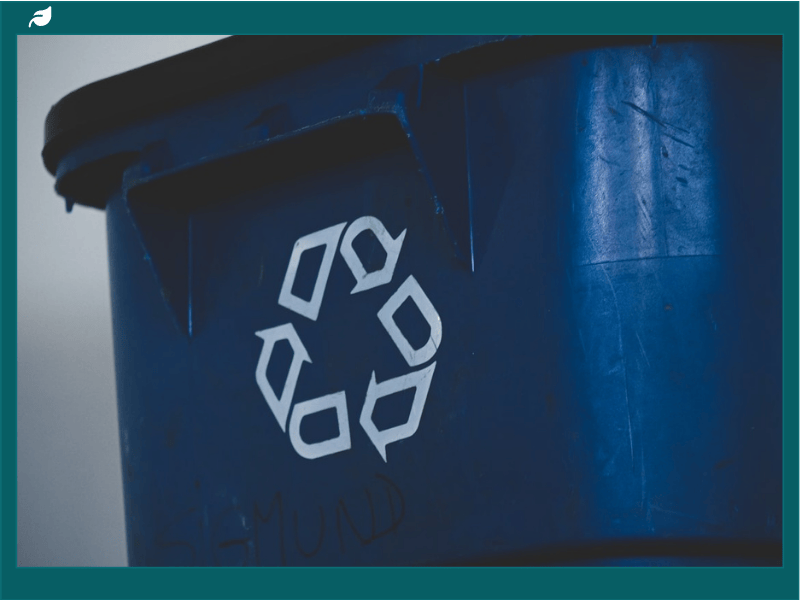
Construction and demolition (C&D) waste remains one of the largest waste streams worldwide, placing increasing pressure on the building industry to adopt more circular practices. According to United States of America waste statistics, C&D activities generate more than 700 million and up to 1 billion tonnes of debris annually, accounting for roughly 30% to 40% of all solid waste in the US alone.
This level of waste highlights the scale of material consumption associated with the built environment. While the major issue remains the large structural materials, kitchen renovations also contribute to unnecessary waste.
In many projects, cabinet boxes are removed simply because their appearance is outdated, not because they are damaged. In this regard, cabinet refacing offers an alternative that aligns with circular economy principles by extending the useful life of existing materials while reducing demand for new resources.
Why Cabinet Replacement Creates Unnecessary Waste
Complete cabinet replacement has long been the standard approach during kitchen renovations, but it often results in the disposal of components that remain structurally functional. Removing entire cabinet systems requires new raw materials, manufacturing, packaging, transportation, and installation, all of which increase a project’s environmental footprint.
Retaining existing cabinet boxes while updating only visible components helps reduce waste and lowers demand for additional materials. It also supports higher-value material reuse rather than sending serviceable products to the landfill.
Some of the environmental benefits include:
- Reduced construction and demolition waste
- Lower demand for new wood and manufactured panels
- Extended lifespan of existing cabinetry
- Reduced transportation and manufacturing emissions
- More efficient use of embodied materials
Cabinet Refacing Supports a Circular Economy
Circular construction focuses on keeping building materials in use for as long as possible through reuse, repair, refurbishment, and remanufacturing. Cabinet refacing reflects these principles by preserving the structural components of a kitchen while replacing only the elements that influence appearance and functionality.
Instead of installing an entirely new cabinet system, businesses and renovation professionals can upgrade existing cabinetry with new cabinet doors, drawer fronts, hardware, and finishes. This approach reduces material consumption while delivering a modern appearance that meets client expectations.
By extending product lifecycles rather than replacing entire assemblies, cabinet refacing improves resource efficiency and supports broader sustainability goals across the construction sector.
Business Benefits Beyond Waste Reduction
Cabinet refacing offers advantages that extend beyond environmental performance. For manufacturers, suppliers, and remodeling businesses, it represents an opportunity to deliver renovation solutions that balance sustainability with economic value.
Potential business benefits include the following:
- Lower material requirements compared with complete cabinet replacement
- Shorter project timelines
- Reduced disruption during renovations
- Opportunities to expand refurbishment and refacing services
- Greater alignment with sustainability and circular economy initiatives
As demand grows for environmentally responsible building practices, offering refacing solutions can help businesses diversify their services while responding to changing customer expectations.
Choosing Sustainable Refacing Solutions
Not all refacing products offer the same sustainability benefits, so selecting the right materials and manufacturing partners is essential. Businesses should look for suppliers that prioritize made-to-order production to reduce excess inventory and material waste, use responsibly sourced or certified wood where available, and manufacture products designed for long-term durability. Low-emission finishes and coatings can further reduce environmental impact, while regional manufacturing may improve supply chain transparency and help minimize transportation-related emissions.
By choosing high-quality replacement components that are built to last, manufacturers, suppliers, and renovation professionals can maximize the environmental benefits of cabinet refacing while supporting more resource-efficient and circular renovation practices.
Final Words
Reducing construction waste does not always require major technological advances or entirely new building systems. In some cases, extending the lifespan of existing materials is sufficient. Cabinet refacing demonstrates how circular economy principles can be applied in everyday renovation projects by preserving functional cabinet structures while updating only the components that need replacement.
For manufacturers, suppliers, and renovation professionals, embracing lifecycle extension strategies can reduce material consumption, improve resource efficiency, and support broader sustainability goals. As the construction industry continues to prioritize waste reduction and circular building practices, cabinet refacing offers a practical example of how thoughtful design decisions can deliver both environmental and commercial value.