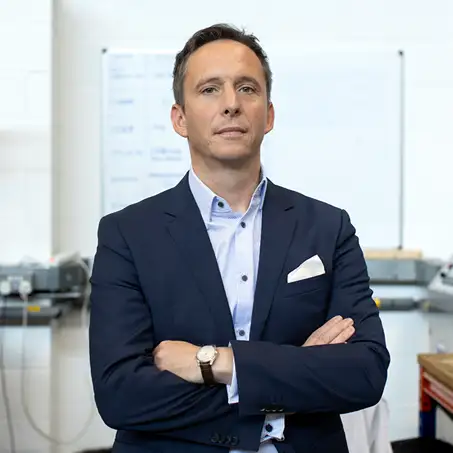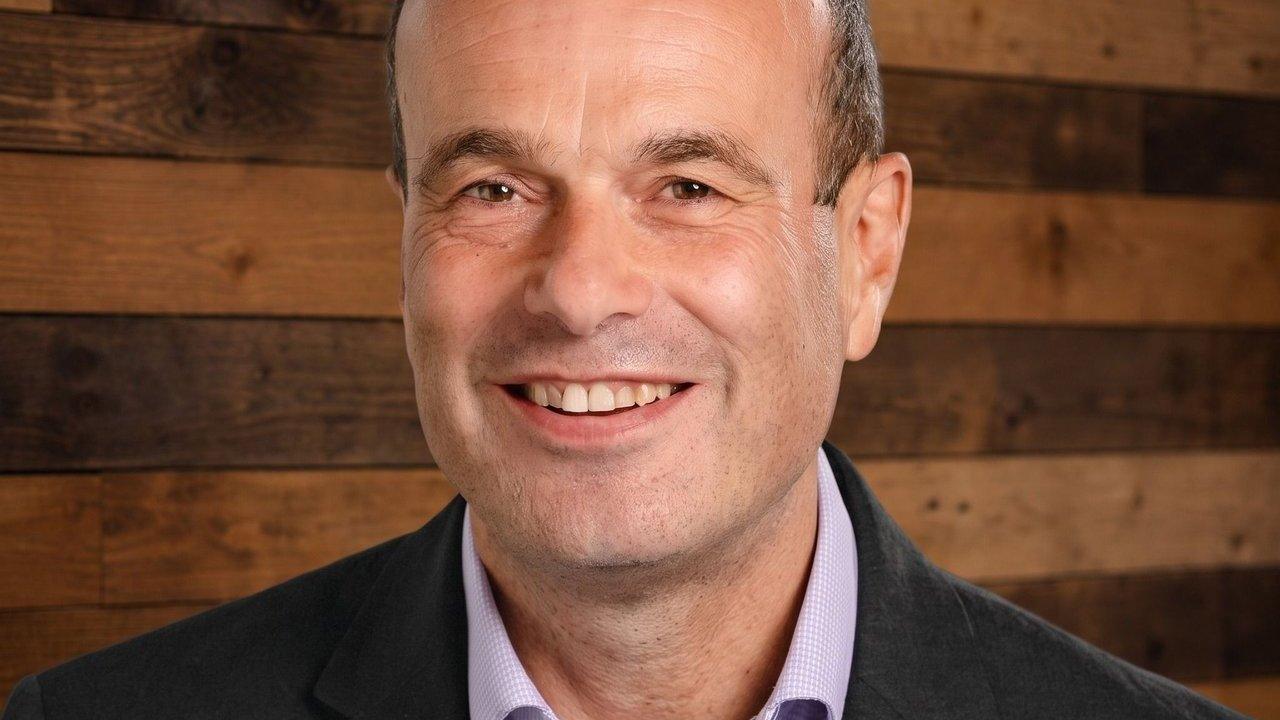
Epoch Biodesign has appointed Jamie Scott as Chief Operating Officer as it expands manufacturing capacity and prepares for commercial-scale nylon 6,6 recycling. The British biotechnology company has acquired a 52,000-tonne-per-year nylon 6,6 plant in Blanes, Spain, representing around 10% of European production capacity. It is also building a London demonstration facility designed to process hundreds of tonnes of post-consumer nylon 6,6 waste annually. Scott brings more than 30 years of chemical industry experience to Epoch’s effort to establish circular routes for a material that is widely used but rarely recycled.
Industrial Experience Joins Epoch
Scott will report to founder and CEO Jacob Nathan and lead Epoch’s production operations and supply chain. His career includes roles at Koch Technology Solutions, INVISTA, Cristal, Huntsman and Centrica Storage, as well as leadership of INVISTA’s European nylon intermediates business.
The appointment follows recent additions to Epoch’s leadership team, including Dr Bo Ava Chen as Chief Technology Officer in June and senior advisor Jerry Grunewald, former CTO of INVISTA. Scott’s operational background will support the company as it moves from technology development into industrial deployment.
Jamie Scott, Chief Operating Officer at Epoch Biodesign, said:
“Epoch is at a pivotal moment, moving from technology demonstration to large-scale deployment, and I’m delighted to be joining now. What drew me to the business was its combination of truly differentiated technology and a credible route to building a scalable commercial business around it. I look forward to bringing my experience to Epoch’s next phase, from growing our operations in Blanes to progressing our first commercial recycling facility.”
Spanish Manufacturing Base
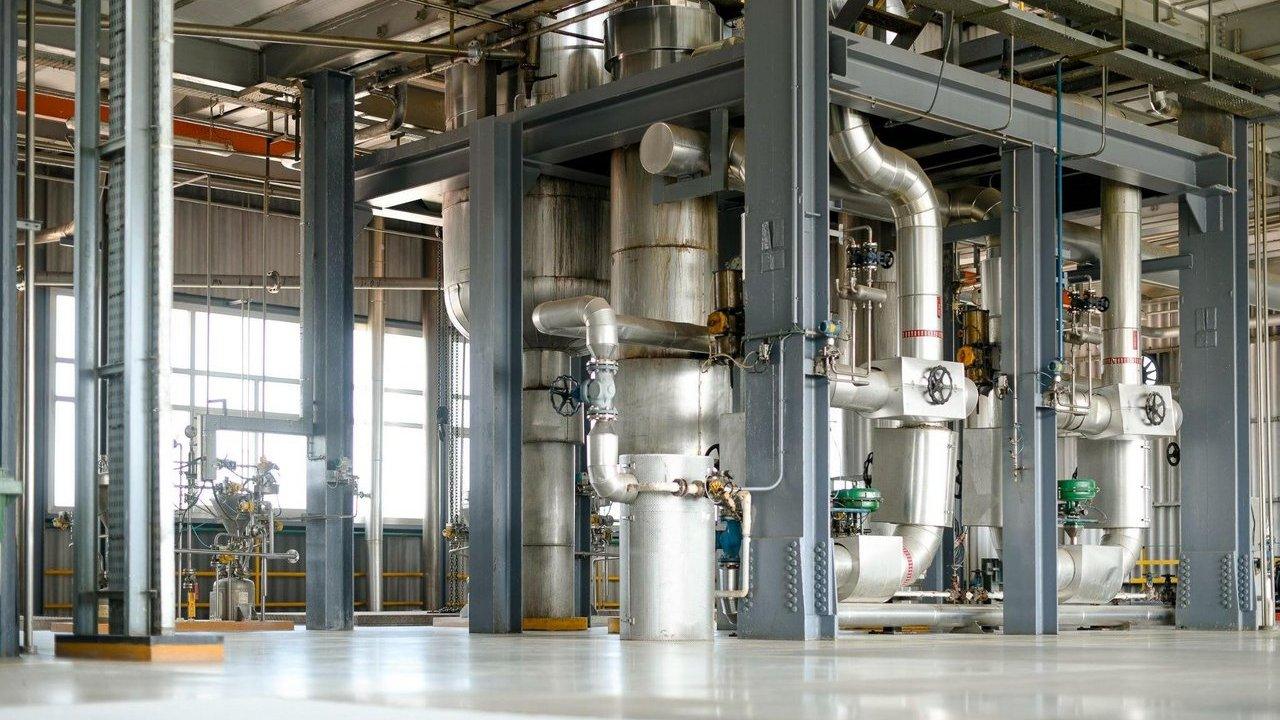
Epoch recently acquired its nylon 6,6 polymerisation facility in Blanes, giving the company a substantial manufacturing base in Spain. Conventional polymer production at the site is due to restart later this month, while the facility forms part of Epoch’s wider plans for recycling at commercial scale.
The company has raised more than $50 million to support its scale-up, including a $12 million strategic funding round announced in March. Its backers include lululemon, Lowercarbon Capital, Extantia, KOMPAS and Inditex’s Mundi Ventures.
In February 2026, Epoch signed a memorandum of understanding with INVISTA to develop post-consumer recycled nylon 6,6 at commercial scale. The agreement connects the company’s enzyme-based recycling technology with established knowledge of nylon manufacturing and supply chains.
London Demonstration Facility
Earlier this year, Epoch began construction of a demonstration facility at Grapht Works, Imperial College London’s advanced manufacturing hub in North Acton. The plant is set to process hundreds of tonnes of post-consumer nylon 6,6 waste each year.
Epoch says the facility will be Europe’s first and the world’s largest nylon 6,6 biorecycling plant. It is intended to demonstrate an industrial route for processing post-consumer material ahead of the company’s first commercial recycling facility.
Epoch reports that more than three million tonnes of nylon 6,6 are produced globally each year, while less than 1% is recycled. The company’s work addresses difficult waste streams that have often remained outside conventional recycling systems.
Enzymes For Circular Nylon
Epoch uses AI-engineered enzymes to break down end-of-life nylon 6,6 into its original monomers, adipic acid and hexamethylenediamine. These monomers can then be used to produce virgin-quality recycled materials.
The company says its low-temperature process can handle silicon-coated airbag fabric, elastane-blended textiles and post-consumer automotive components. Recovering nylon from these mixed and technically demanding materials could widen the range of waste available for recycling.
Jacob Nathan, Founder and CEO of Epoch Biodesign, said:
“Jamie’s appointment is an important milestone in Epoch’s growth, and I’m thrilled to welcome him to the team. His decades of experience across chemical manufacturing, global supply chains and technology commercialisation are exactly what Epoch needs. As we expand our industrial operations and move towards commercial-scale recycling, Jamie will play a central role in turning our momentum into the manufacturing capability needed to deliver circular nylon 6,6 at scale.”
Preparing For Commercial Scale
Scott’s appointment brings industrial operations experience to a company building capacity in both Spain and London. With its Blanes production site, demonstration plant and industry agreement with INVISTA, Epoch is assembling the manufacturing and supply chain foundations needed to take nylon 6,6 biorecycling beyond the laboratory.
The company’s next phase will centre on progressing its first commercial recycling facility while building production operations around circular nylon 6,6. That combination of technical development and manufacturing capability positions Epoch to pursue a more practical recycling route for a challenging polymer.