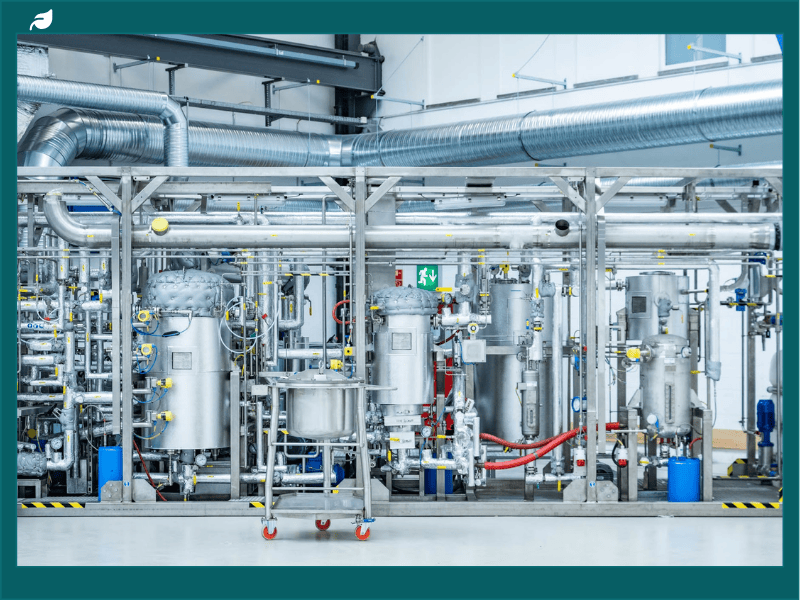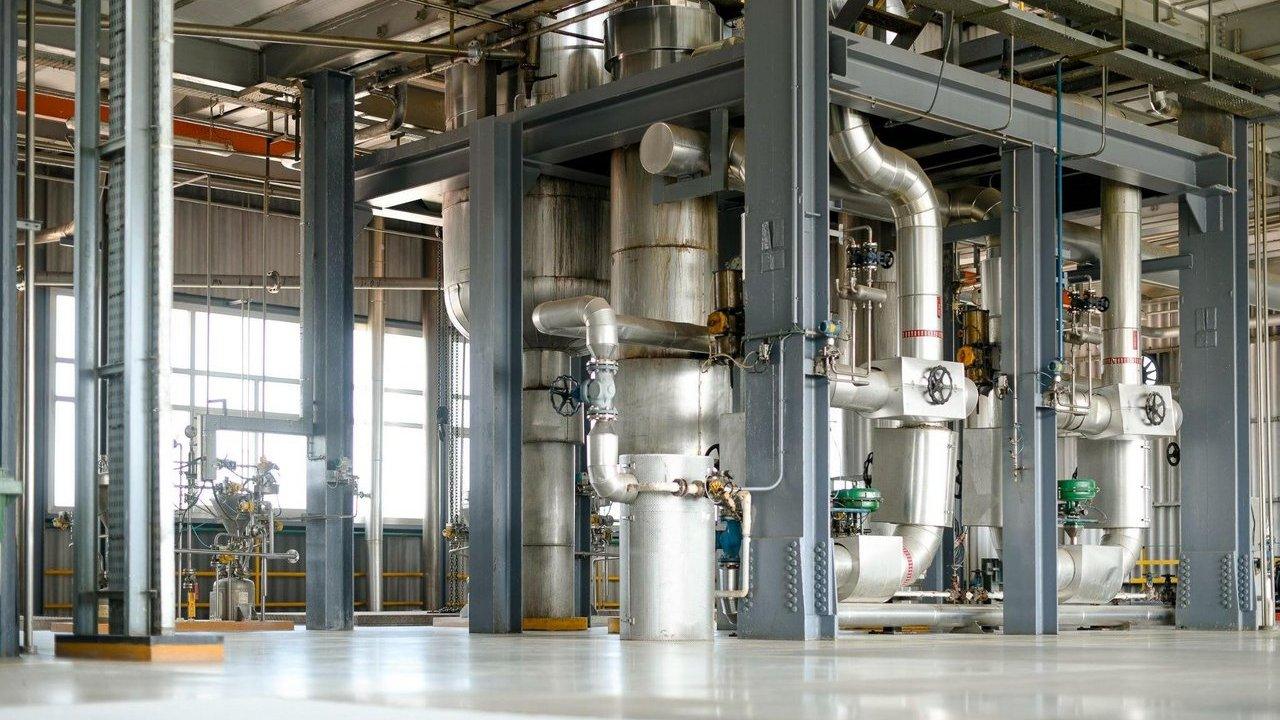
A London biotechnology company has taken ownership of a mothballed nylon factory in Spain, turning a stalled industrial asset into the centrepiece of a circular materials strategy. Epoch Biodesign has acquired the 52,000-tonne-a-year nylon 6,6 plant in Blanes from insolvent chemicals group Domo Chemicals for just over €4 million. The deal hands Epoch roughly 10% of Europe’s installed nylon 6,6 capacity, equivalent to more than $200 million in potential annual production value, and makes it the first enzymatic recycler in the world to own commercial-scale polymer production. It arrives on the back of a year in which the company raised more than $50 million and struck a Memorandum of Understanding with INVISTA.
A Mothballed Plant Gets New Purpose
The Blanes site had stood idle after Domo’s Spanish entity entered insolvency proceedings earlier this year, ending a production history stretching back more than five decades. Rather than see the capacity disappear at a time when Europe’s chemicals sector is already contending with high energy costs, weak demand and cheaper imports, Epoch chose to buy the facility outright, retaining a workforce with specialist manufacturing and nylon 6,6 polymerisation expertise.
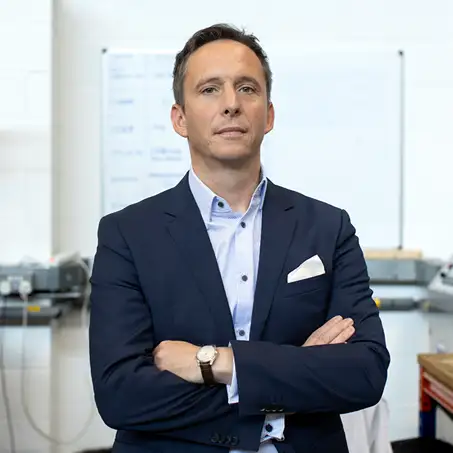
Jacob Nathan, Founder and CEO of Epoch Biodesign, said:
“This acquisition is a key step on our journey to deliver something that the market simply hasn’t been able to offer: a secure supply of genuinely circular material, at scale. We’re proud to build on the storied legacy of the Blanes site to deliver a new era for the European materials industry and safeguard 60 jobs in the process.”
Closing The Recycling Gap
Nylon 6,6 sits in clothing, cars, airbags and electronics, with more than two million tonnes produced globally each year. Less than 1% of it is recycled at end of life, a gap that brands and manufacturers across apparel, automotive and industrial sectors are under growing pressure to close. Internal 2030 targets for recycled content are increasingly being backed by regulation: new textile policies restrict large apparel companies from destroying or landfilling unsold clothing, while incoming End of Life Vehicle rules require cars sold in the European market to carry a rising share of closed-loop recycled content. Epoch argues that the recycled nylon 6,6 needed to meet those requirements simply does not exist in sufficient supply today.
Vertical Integration From Waste To Polymer
Epoch’s platform uses AI-designed enzymes that operate at low temperatures to break materials down at the molecular level, producing virgin-quality recycled polymer that its founders say can be recycled indefinitely without loss of quality. Until now, that technology stopped at monomers, the chemical building blocks of nylon. Owning the Blanes facility gives Epoch the ability to turn those monomers into finished polymer, a drop-in product for customers, creating a vertically integrated operation from waste through to finished material.
Luciano Caruso, Chief Commercial Officer at Epoch Biodesign, said:
“Owning commercial-scale polymerisation means we can now offer customers something the market has been waiting for: a genuine timeline to secure closed-loop supply of recycled nylon 6,6. This acquisition enables us to partner with brands and manufacturers at a deeper level. Starting today, we will work together to validate Epoch polymer in their supply chains and products so that we can seamlessly integrate recycled content over the coming years. In an industry facing tightening regulation and real material shortages, Epoch Biodesign is proud of this deal and what it represents.”
Backing A Landmark Year
The Blanes purchase follows a run of announcements for the company over the past twelve months, including plans for Europe’s first, and what Epoch describes as the world’s largest, commercial enzymatic nylon 6,6 recycling plant in London, alongside the Memorandum of Understanding with INVISTA, a company whose heritage is tied directly to the invention of nylon 6,6. The scaling has been funded by more than $50 million from backers including lululemon, Lowercarbon Capital, Extantia, KOMPAS VC and Inditex’s venture arm, Mundi Ventures.
A Site Built For What Comes Next
By pairing enzyme-based monomer recovery with an established polymerisation site and its retained workforce, Epoch has put itself in a position to supply recycled nylon 6,6 at volumes the market has so far been unable to reach. With regulatory deadlines in Europe and a growing number of US states approaching, and brand commitments to recycled content maturing towards 2030, the Blanes facility gives the company a route to move from proving its technology to supplying it at industrial scale.