The legal battle between Florida wetlands and the Environmental Protection Agency (EPA) has intensified, reaching a critical juncture as recent court rulings question regulatory authority. These wetlands, vital for biodiversity and environmental health, are at the heart of a contentious debate over federal versus state jurisdiction.
As stakeholders grapple with conflicting priorities, environmental conservation against economic development, this case underscores the complexities inherent in managing natural resources. The ruling not only sets a precedent for environmental law but also challenges the balance between safeguarding ecosystems and supporting industry growth.

The Background of Florida’s Wetland Dispute
The legal clash over Florida’s wetlands presents a complex scenario intertwining environmental concerns and statutory interpretations. With wetland ecosystems playing a vital role in supporting Florida’s diverse wildlife and safeguarding against flooding, the Environmental Protection Agency (EPA) finds itself at the center of this turbulent discourse. Recent legal battles, involving both state and federal jurisdictions, highlight the contentious nature of wetland usage and protection. As court rulings are delivered, the implications for Florida’s environmental policy and conservation efforts become increasingly significant. Through this lens, we explore the importance of these wetlands and the environmental concerns driving legal action.
The Importance of Wetlands in Florida’s Ecosystem
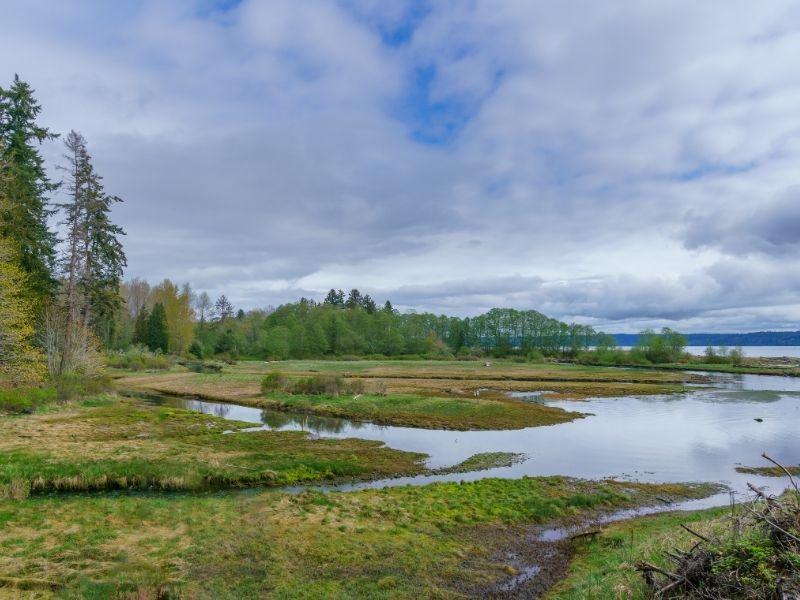
Wetlands in Florida are more than just picturesque landscapes; they’re a crucial component of the state’s ecosystem, fostering biodiversity and maintaining ecological balance. These areas provide habitat for numerous wildlife species, including several endangered species and serve as breeding grounds for fish and bird populations essential to Florida’s environment. Additionally, wetlands act as natural water filters, absorbing pollutants and enhancing water quality for communities. These ecosystems offer resilience against severe weather, buffering communities from storm surges and flooding. Yet, despite their ecological value, wetlands have been under consistent threat from urban development and agricultural expansion, prompting significant concern among environmental groups about their long-term sustainability.
The intricate web of life within these wetlands depends on their preservation. Many species depend entirely on these ecosystems for survival, making the protection of Florida’s wetlands paramount. Highlighting this, the Environmental Protection Agency has a significant role in safeguarding these areas through the Clean Water Act. However, as federal and state policies intersect, the challenge multiplies, leading to disputes like the current legal battle. The importance of wetlands extends beyond environmental concerns, as they are critical to tourism and local economies, enhancing the urgency for robust protective measures. As Florida continues to grow, balancing development with ecological preservation remains a pressing challenge.
Environmental Concerns Prompting Legal Actions
The ongoing legal battles over Florida’s wetlands arise from heightened alarm over ecological degradation and species endangerment. Environmental groups have consistently raised the alarm about how unchecked development could severely impact the region’s biodiversity, leading to loss of habitat for numerous endangered species. The court rulings in favor of or against wetland protection directly affect the legitimacy of federal versus state regulations, leading to a tug-of-war over jurisdictional authority. The Environmental Protection Agency, charged with ensuring compliance with federal environmental laws, faces challenges as state interests often conflict with federal directives.
The complexity of this legal battle lies in deeply entrenched values related to economic growth and environmental conservation. While urban expansion promises economic benefits, it often comes at the cost of ecological health, prompting interventions from both local and national environmental advocacy groups. These groups argue that without stringent environmental laws, Florida’s wetlands, and the species they support, could face irreversible damage. As court challenges progress, each ruling helps define the balance between federal oversight and state autonomy, ultimately influencing how environmental policies unfurl across the nation. Such decisions could set precedents that affect not only Florida’s wetlands but have broader implications for nationwide conservation efforts.
Legal Framework and Challenges
Within the realm of Florida’s wetland legal battle, the intricate legal framework presents numerous challenges. Key legal players include federal and state entities, environmental groups, and the courts. The role of federal regulations, especially the Clean Water Act, is crucial in shaping the strategies employed in court cases. As court rulings unfold, the balance of power between state decisions and federal mandates becomes increasingly significant. Through this examination, we delve into the roles and influences of these legal participants and the implications of federal policies on local governance.
Key Legal Players in the Case
The legal landscape of the Florida wetlands case is populated with diverse and influential players. At the forefront, the Environmental Protection Agency (EPA) acts as the federal sentinel, enforcing regulations under the Clean Water Act to protect crucial ecological fixtures. EPA’s enforcement is counterbalanced by the state of Florida’s assertation of their governance over these lands, invoking state rights to prioritize local development plans. This creates a complex tension between federal and state jurisdictions, wherein each aims to assert dominion. In this legal battle, the district court plays a central adjudicative role, tasked with interpreting the nuances of environmental law amid these competing interests.
Concurrently, environmental groups fervently advocate for rigorous protection policies, emphasizing the ecological significance of wetlands. These groups rally under the banner of biodiversity, striving to ensure that legal protections are not diluted by developmental pressures. Moss’ ruling, within this setting, acts as a catalyst for further discourse, serving both as a precedent and a point of contention. Legal practitioners and policymakers watch closely, knowing these rulings shape the dynamic interplay of environmental, economic, and regulatory forces. Thus, each player’s actions are pivotal in this legal orchestration, influencing how the act is understood and implemented amid a plethora of vested interests.
Impact of Federal Regulations on State Decisions
The influence of federal regulations on state decisions is a profound dynamic within the Florida wetlands dispute. The Clean Water Act, implemented by the EPA, establishes federal authority over water bodies, thereby casting a long regulatory shadow over state-led activities. Florida’s response, marked by its own permit program, seeks to maneuver within this federal encirclement. The balance of compliance with federal standards while pursuing state-specific goals presents a legal tightrope for Florida’s decision-makers. As part of this balance, federal laws not only guide environmental policies but also impact how state authorities draft and execute initiatives regarding land use and ecological conservation. Federal oversight is often perceived as a protective layer, one that can moderate state overzeal in expanding urban developments that could jeopardize sensitive ecosystems.
However, interpretations of federal mandates in the district court have occasionally sparked significant legal contention. Every court ruling or interpretation, whether in Florida’s favor or against, influences the broader spectrum of state strategies towards environmental management. These rulings set precedents, guiding how state authorities calibrate their policies in synchronization with, or in resistance to, federal directives. Watching closely, stakeholders anticipate how these inter-jurisdictional dynamics will shape the future of environmental governance and the sustainability of Florida’s delicate wetland ecosystems.
Permitting and Regulation Changes
The recent legal battles involving Florida’s wetlands have brought about significant changes in permitting and regulation processes. As court rulings challenge existing frameworks, the state’s approach towards wetlands permitting is being reshaped under both federal and state influences. These evolutions impact the balance between environmental protection and economic interests. With the EPA’s oversight under the Clean Water Act and evolving state policies, the case brings complex dynamics between maintaining federal compliance while addressing state-specific challenges. This section explores the shifts in permitting processes and the broader regulatory landscape affecting Florida’s wetlands.
How Permitting Processes Have Evolved
The landscape of wetlands permitting in Florida has undergone notable changes, influenced by both federal and state forces. Historically, the Environmental Protection Agency (EPA) has played a central role in overseeing the permitting process under the Clean Water Act, ensuring compliance with federal standards. However, as legal battles unfold, state-specific agendas are starting to reshape this landscape. Florida’s authorities are striving to assert more control over their permitting processes, navigating between the federal mandates of the Clean Water Act and local aspirations for development and economic growth.
Regional court rulings have acted as catalysts in transforming these processes. Legal challenges, such as those regarding the balance of power between state and federal authorities, highlight the evolving nature of wetlands permitting. In some cases, these rulings have prompted revisions in how permits are granted, emphasizing ecological sustainability while also considering economic imperatives. The introduction of state-driven permit programs is one response to the tension between complying with EPA approval and addressing local needs. Florida’s permit program aims to streamline the approval process, reducing reliance on federal oversight without compromising on environmental standards.
These changes reflect broader regulatory shifts, where the intertwined objectives of protecting vital ecosystems and facilitating growth are negotiated. The state’s broader ecological strategy now requires a nuanced understanding of environmental regulations, balancing federal constraints with local flexibility. As Florida continues to reconcile these differences, the realignment of permitting processes indicates a significant step towards aligning state priorities with national environmental goals. This evolution not only impacts current regulatory practices but also sets precedents for future environmental governance in Florida and beyond.
Future Implications on Environmental Policy
The Florida wetlands legal battle signifies more than just an isolated event; it illustrates critical future implications for environmental policy across the U.S. The clash between federal governance, represented by the EPA, and state autonomy highlights the delicate balance of environmental responsibilities under the Clean Water Act. Federal rulings in this case could redefine the implementation of environmental law, particularly concerning wetlands and endangered species protection. A decision favoring federal authority could reinforce stringent nationwide clean water standards, compelling states to adapt policies aligned with federal regulations, potentially tightening protections even at the state level. Conversely, empowering state sovereignty may lead to more varied environmental policies that reflect local priorities, yet could risk uneven protection for vulnerable ecosystems, including those home to endangered species.
Besides immediate legal shifts, these challenges underscore the evolving dynamics of federal-state interaction over environmental governance, setting precedents that affect future legislation. Legal outcomes may invigorate nationwide debates over environmental and species protection policies, guiding how states craft their independent ecological strategies. Observers anticipate the ripples from this case to influence regulatory frameworks beyond Florida, potentially affecting future federal law interpretations regarding water rights and usage mandates. For stakeholders, understanding these rulings’ broader effects is critical, as they encapsulate the complex interplay between economic ambitions and the imperative of ecological sustainability. As this case unfolds, the strategic direction of environmental policy is under scrutiny, making it pivotal for policymakers to envision sustainable solutions that align with both federal and local needs.
The ongoing legal battle over Florida’s wetlands between the EPA and various stakeholders underscores the pressing need for clarity in environmental regulations. With court rulings challenging traditional interpretations of protective measures, the future of wetland conservation hangs in a delicate balance. This case highlights the complexities of navigating federal and state jurisdictions while striving for sustainable solutions. As stakeholders await further legal developments, the outcome could set a precedent impacting not only Florida’s ecosystems but also future nationwide environmental policies.