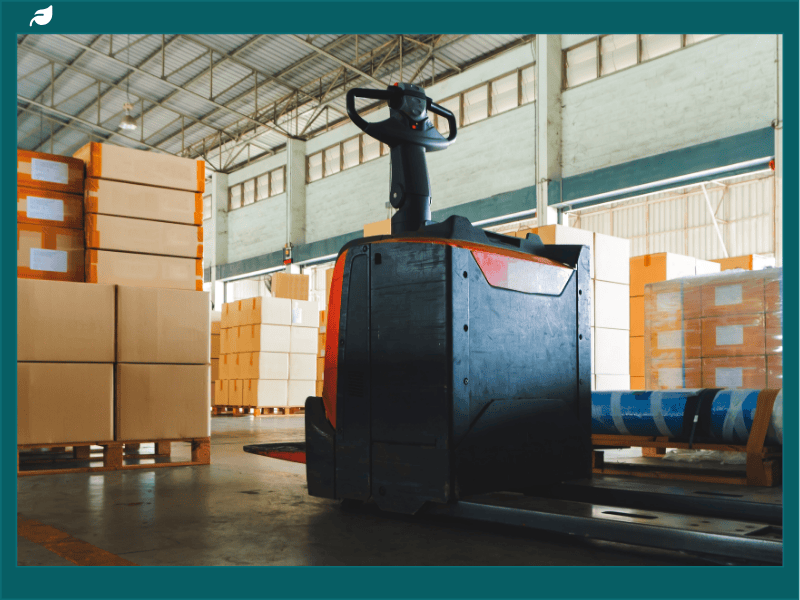
In an era where environmental responsibility is no longer optional but essential, businesses across every industry are rethinking how their operations impact the planet. From supply chains to warehouse floors, sustainability has become a core metric of modern business success. One of the most impactful — and often overlooked — shifts a company can make is transitioning from internal combustion forklifts to electric-powered alternatives. The benefits go far beyond cutting fuel costs: electric forklifts represent a genuine commitment to a greener, cleaner future.
The Environmental Case for Electric Forklifts
Traditional forklifts powered by propane or diesel emit carbon monoxide, nitrogen oxides, and particulate matter. In enclosed warehouses, these emissions create not only environmental harm but also serious health risks for workers. Electric forklifts produce zero direct emissions, which means cleaner air both inside your facility and in the atmosphere at large.
When you power electric forklifts with renewable energy sources — solar panels on your warehouse roof, for example — the carbon footprint of your entire material handling operation can approach zero. Even when charged from a conventional power grid, studies consistently show that electric forklifts produce significantly fewer lifecycle emissions than their fossil fuel counterparts. The equation is simple: less combustion means less pollution.
Energy Efficiency That Makes a Real Difference
Electric motors are inherently more efficient than combustion engines. While a gasoline or propane engine converts only about 20–25% of fuel energy into usable motion, electric motors operate at efficiencies of 85–95%. This means that for every unit of energy consumed, electric forklifts deliver far more productive work.
Modern electric forklifts also feature regenerative braking systems, which recover kinetic energy during deceleration and feed it back into the battery. Over the course of a full workday — with dozens of load cycles, stops, and turns — this recovered energy adds up meaningfully, further reducing overall consumption and extending battery life.
Noise Pollution: A Hidden Benefit
Sustainability isn’t only about carbon emissions. Noise pollution is a recognized environmental stressor that affects both human health and local wildlife. Electric forklifts operate near-silently compared to their combustion counterparts. For businesses operating in urban areas or near residential zones, quieter operations reduce your acoustic footprint significantly. Inside warehouses, lower noise levels improve worker concentration, reduce fatigue, and contribute to a healthier, more productive work environment.
Lower Lifecycle Costs and Fewer Parts, Less Waste
One of the most compelling sustainability arguments for electric forklifts is the simplicity of their mechanical architecture. Combustion engine forklifts require regular oil changes, exhaust system maintenance, fuel filter replacements, radiator servicing, and a host of other upkeep tasks that generate chemical waste and consumable parts. Electric forklifts eliminate most of these requirements entirely.
This simplicity doesn’t mean, however, that maintenance disappears altogether. Electric forklifts still require routine care — particularly of their battery systems, electrical components, brakes, and tires. The key is sourcing high-quality parts to keep your fleet running at peak performance with minimal waste. For operators running Yale electric forklifts, maintaining access to genuine Yale forklift parts is essential. High quality components ensure longer service intervals, reduce the frequency of repairs, and prevent the premature disposal of machinery — which itself carries an environmental cost.
Battery Technology and the Circular Economy
The battery is the heart of any electric forklift, and advances in battery technology are making the sustainability case stronger every year. Modern lithium-ion batteries offer longer runtimes, faster charging, and significantly longer service lives than older lead-acid alternatives. Many manufacturers now operate battery take-back and recycling programs, ensuring that end-of-life batteries are processed responsibly rather than ending up in landfills.
This aligns electric forklift fleets with the principles of the circular economy — a model where materials are kept in use as long as possible and waste is designed out of the system. By choosing electric forklifts with recyclable battery packs and sourcing parts from responsible suppliers, your business participates in a chain of sustainability that extends well beyond your own four walls.
Regulatory Compliance and Green Certifications
Environmental regulations are tightening globally. Emission standards for industrial equipment are becoming stricter in North America, Europe, and many Asian markets. Transitioning to electric forklifts today puts your business ahead of the regulatory curve, avoiding costly retrofits or fleet replacements down the line.
Beyond compliance, electric operations can support green building certifications such as LEED (Leadership in Energy and Environmental Design), which are increasingly valued by clients, investors, and partners. Being able to demonstrate that your warehouse or distribution center operates a zero-emission material handling fleet is a tangible, marketable sustainability credential.
The Bottom Line: Green Is Good Business
Sustainability and profitability are not opposing forces — they are increasingly the same force. Electric forklifts reduce energy costs, lower maintenance expenses, extend equipment lifespans, and position your brand as a responsible corporate citizen. As consumers, investors, and regulators all push businesses toward greener practices, the companies that act early will enjoy the strongest competitive advantage.
The transition starts with smart decisions: choosing the right equipment, maintaining it properly, and sourcing quality components. For Yale electric forklift operators, that means relying on genuine Yale forklift parts to keep your fleet efficient, safe, and running for the long haul.
Going electric isn’t just good for the environment. It’s good for your business, your workers, and your future.