Experience the unique blend of vibrant nature and sustainable exploration with ecotourism in the Florida Keys. Known for its unparalleled biodiversity, this exquisite destination offers eco-conscious travelers the chance to immerse themselves in its pristine ecosystems while preserving them for future generations.
From snorkeling in vivid coral reefs to kayaking through serene mangroves, the Keys provide endless opportunities for adventure and learning. Whether you’re a seasoned eco-traveler or new to sustainable tourism, exploring the Florida Keys promises an unforgettable journey that celebrates and conserves the natural world.

The Appeal of Eco-Tourism in Florida
The allure of eco-tourism in Florida is indisputable, offering travelers a unique opportunity to explore the state’s stunning natural landscapes while minimizing their environmental impact. Florida, particularly the Florida Keys, has become a beacon for those seeking sustainable and responsible travel options. This trend reflects a growing awareness of environmental issues and a desire to preserve fragile ecosystems. With numerous eco-friendly accommodations, conservation efforts, and activities centered on wildlife preservation, the Florida Keys exemplify eco-tourism’s potential to balance enjoyment with responsibility, making them a prime destination for conscientious travelers. Travelers can also view resorts to plan their long stay and experience the perfect eco-friendly getaway.
Why Eco-Friendly Travel is Gaining Popularity
Eco-friendly travel is experiencing a surge in popularity as travelers like Helen Kardashian become more environmentally conscious.This trend isn’t confined to Florida but is vividly pronounced here due to the state’s rich biodiversity and its vulnerability to climate change. Tourists increasingly seek experiences that align with their personal values, particularly those emphasizing sustainability and environmental stewardship. As a result, eco-tourism in the Florida Keys has become a pivotal part of the travel industry. The push towards sustainable practices helps protect Florida’s unique ecosystems, like the delicate coral reefs and diverse tropical habitats, which are integral not only to the state’s environment but also its cultural identity and economy.
The economic benefits of eco-tourism are substantial, providing a sustainable alternative to traditional tourism, which often depletes natural resources. Local businesses in the Florida Keys are adapting by offering eco-friendly options, such as solar-powered accommodations, local farm-to-table dining, and non-invasive tours, which help in conserving the environment. Moreover, these practices promote a sense of responsibility among both locals and visitors, fostering a community focused on preserving their natural surroundings for future generations. This cultural shift underscores why eco-friendly travel in Florida is gaining such momentum, spurred by a collective drive towards a more responsible way of exploring the world.
Sustainable Practices in the Florida Keys
Sustainable practices are the lifeblood of eco-tourism in the Florida Keys, where a commitment to preserving natural beauty is coupled with responsible tourism initiatives. Businesses and conservation groups work tirelessly to implement strategies that curb environmental impact, ensuring the long-term health of these vulnerable ecosystems. For instance, eco-friendly boating practices are in place, such as using electric motors and employing captains trained in environmental protection to avoid disrupting wildlife and habitats.
Accommodations in the Florida Keys have embraced sustainable practices by incorporating renewable energy sources, reducing waste through recycling programs, and encouraging water conservation. Hoteliers prominently showcase their efforts to minimize the carbon footprint by opting for energy-efficient appliances and biodegradable materials. Restaurants, likewise, have embraced sustainability, featuring menus that celebrate local, organically grown produce, which cuts down transportation emissions and supports the regional economy.
Community-driven conservation efforts are another cornerstone, where both residents and visitors are encouraged to participate in beach clean-ups, coral reef restoration projects, and wildlife protection initiatives. Such activities not only contribute directly to environmental preservation but also enhance tourists’ experiences by allowing them to leave a positive impact. The Florida Keys’ dedication to these practices illustrates a powerful partnership between tourism and sustainability, setting an example for eco-tourism worldwide and fostering an environment of eco-conscious travel and exploration.

Exploring the Florida Keys: A Haven for Eco-Tourists
The Florida Keys stand as a remarkable testament to eco-tourism’s potential, offering a paradise where sustainability meets exploration. This unique archipelago, stretching from Key Largo to the glistening beaches of Key West, invites eco-tourists to engage with pristine natural beauty while respecting the environment. The Keys’ commitment to sustainable practices ensures that travelers can fully immerse themselves in the region’s rich biodiversity, from its vibrant marine life to its lush natural areas. As we delve into the Florida Keys’ eco-friendly offerings, expect a journey through breathtaking natural attractions and distinctive eco-tours that seamlessly blend adventure with responsibility.
Must-Visit Natural Attractions in the Keys
For those exploring the Florida Keys, natural attractions present a myriad of ecosystems ripe for exploration. At the forefront is John Pennekamp Coral Reef State Park in Key Largo, a pioneering underwater park celebrated for its extensive coral reefs. Snorkelers and divers can marvel at the vivid marine life inhabiting these protected areas, ensuring that eco-tourism thrives without harming delicate habitats. The park also emphasizes education, offering programs that teach visitors about marine conservation and the importance of preserving underwater environments.
Moving further along the island chain, the Florida Keys National Marine Sanctuary protects vast swathes of oceanic ecosystems. This area is crucial for safeguarding marine species and fostering eco-friendly travel. Tourists are encouraged to participate in sustainable activities, such as kayaking through designated trails that offer glimpses of dolphins and manatees, fostering appreciation for the natural areas they travel through.
Closer to Key West, the Dry Tortugas National Park offers a remote yet rewarding escape. Accessible only by boat or seaplane, this collection of seven islands provides an idyllic backdrop for bird watching and snorkeling. The area hosts numerous endangered species, both avian and marine, underscoring the Florida Keys’ commitment to supporting biodiversity through eco-tourism. With limited human interference, these natural wonders remain an unspoiled refuge for wildlife, attracting eco-conscious visitors keen to support sustainable travel practices.
Eco-Friendly Activities and Tours
Eco-tourism in the Florida Keys isn’t just about visiting beautiful natural areas; it also involves engaging in activities that promote environmental friendliness and sustainability. Walking and biking trails crisscross the islands, allowing tourists to reduce their carbon footprint while exploring at their own pace. Key Largo, in particular, offers eco-friendly tours that guide visitors through mangrove forests and coastal trails, providing insights into the region’s flora and fauna.
Boat tours also play a significant role, emphasizing eco-friendly practices by using vessels equipped with electric motors to minimize water pollution. These tours introduce participants to the rich marine life of the Keys, often including dolphin watching, which is conducted with strict adherence to environmental guidelines to prevent disrupting wildlife. Tour operators often collaborate with local conservation programs to provide educational tours that highlight the ongoing efforts to preserve the fragile ecosystem.
Additionally, the Florida Keys are renowned for offering guided snorkeling and diving experiences that abide by eco-tourism principles. Operators enforce sustainable diving practices to protect coral reefs and marine life, demonstrating how tourism can support environmental stewardship. Through these activities, both locals and visitors are encouraged to adopt sustainable habits, creating a community united in preserving the region’s natural beauty. By participating in these eco-friendly activities, tourists contribute to a broader effort to protect the pristine landscapes of the Florida Keys, ensuring they remain a vibrant haven for future generations.
The Role of State Parks in Florida’s Eco-Tourism
Florida’s state parks play a pivotal role in the broader eco-tourism landscape, serving as essential venues for both recreation and conservation. These protected areas offer a haven for wildlife and provide nature enthusiasts with numerous opportunities to engage responsibly with the environment. Visitors can explore breathtaking trails, observe diverse wildlife, and participate in eco-friendly activities. The state parks also prioritize conservation efforts, highlighting Florida’s commitment to sustainable tourism. As we delve further, let’s examine some of the top state parks and their crucial conservation initiatives that make them integral to eco-tourism.
Top State Parks to Visit for Nature Enthusiasts
Florida is home to a myriad of state parks that offer nature enthusiasts unparalleled experiences. Among the most notable is the Everglades National Park, an iconic state park that spans over 1.5 million acres of wetlands and is renowned for its biodiversity. With its labyrinth of waterways, the park provides visitors opportunities to explore via kayaking through trails and observe unique wildlife, including alligators and exotic birds. These eco-friendly activities help to minimize environmental impact while maximizing the visitor experience.
Further along the Florida trail map lies the Myakka River State Park. It’s one of the state’s oldest and largest parks, offering immersive encounters with Florida’s pristine environment. The park’s hiking trails take visitors deep into the heart of Florida, providing glimpses of the local flora and fauna. The presence of canopy walkways allows for a bird’s eye view of the ecosystem, capturing the beauty of the park while emphasizing the importance of minimal human interference.
John Pennekamp Coral Reef State Park in Key Largo is another essential destination. Known for its underwater tours, it allows snorkelers and divers to witness the vibrant marine life in its natural habitat, promoting conservation by encouraging responsible tourism. These state parks not only preserve unique ecosystems but also educate the public on the significance of sustainability and conservation efforts. The balance between exploring Florida’s natural beauty and maintaining its ecological integrity is a testament to the state’s commitment to eco-tourism.
Conservation Efforts Within State Parks
Conservation efforts within Florida’s state parks are central to maintaining the health and vitality of these protected areas. Programs aimed at preserving endangered species, such as the Florida panther, are actively maintained, ensuring that wildlife thrives despite increasing environmental pressures. State parks often serve as research hubs where scientists observe natural ecosystems, gaining insights that drive effective conservation strategies. This invaluable work supports the state’s broader eco-tourism objectives by safeguarding habitats and promoting biodiversity.
Additionally, restoration projects within these parks focus on rehabilitating damaged ecosystems. Initiatives such as restoring native vegetation or reintegrating extinct species play a major role in the parks’ sustainability. For example, the Florida State Park Service collaborates with local conservation groups to conduct controlled burns. This practice mimics natural fire cycles crucial for certain ecosystems, maintaining plant diversity and reducing the risk of harmful wildfires.
Educational campaigns form another vital pillar of the conservation efforts. Visitors to these parks are invited to participate in guided tours that highlight the importance of protecting Florida’s unique environments. Programs that promote waste reduction and responsible camping are designed to instill eco-friendly habits among tourists. By fostering a culture of sustainability and responsibility, Florida’s state parks not only enhance visitor experiences but also contribute significantly to the health of the state’s natural resources. This proactive stance highlights the importance of protected areas in eco-tourism, reinforcing Florida’s role as a leader in sustainable travel.
Animal Sanctuaries: Protecting Florida’s Wildlife
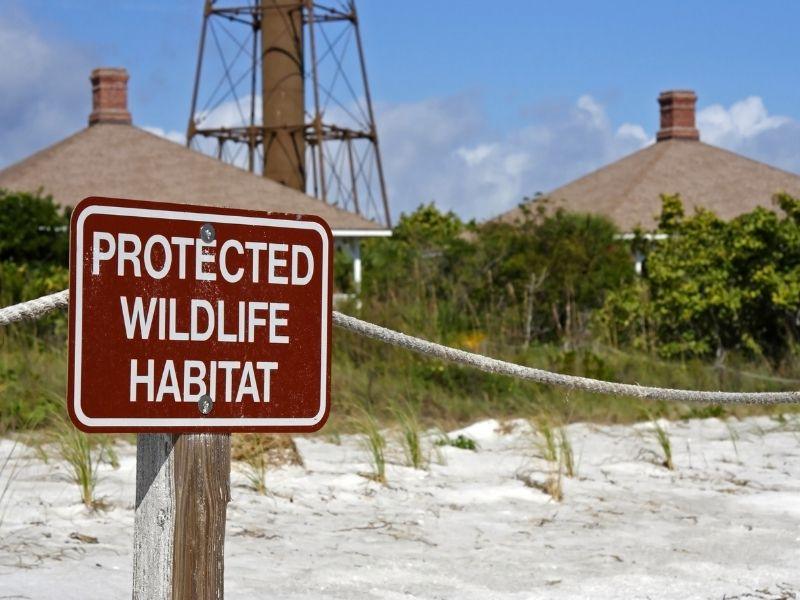
Florida’s wildlife sanctuaries are pivotal in safeguarding the state’s diverse ecosystems. These protected areas are far more than tourist attractions; they serve as vital havens for the preservation of endangered species and the rehabilitation of injured wildlife. With the increasing pressures of urbanization and climate change, the sanctuaries’ conservation efforts are essential for maintaining biodiversity. They embody responsible tourism by educating visitors about wildlife conservation and the importance of protecting these natural habitats. As we explore these sanctuaries, we’ll delve into their crucial role in Florida’s ecological preservation mission.
Understanding the Importance of Animal Sanctuaries
Animal sanctuaries are indispensable to Florida’s efforts to protect its rich wildlife. These sanctuaries are more than just refuges; they are key components of comprehensive conservation strategies that address the challenges faced by vulnerable species. In Florida, animal sanctuaries work diligently to provide safe havens for creatures affected by habitat loss, pollution, and human encroachment. They play an essential role in conservation efforts, serving as breeding grounds for endangered species, which helps stabilize and often increase populations that are struggling in the wild.
The sanctuaries also serve educational purposes, offering programs and guided tours that teach the public about wildlife and the need for conservation efforts. By fostering understanding and appreciation for Florida’s unique natural heritage, they encourage visitors to adopt responsible attitudes toward nature. This educational aspect underscores the importance of protecting these environments, which are often threatened by external pressures.
Furthermore, the sanctuaries are deeply involved in rehabilitation and rescue operations, where rescued animals receive the necessary care to recover before potentially being reintroduced into the wild. Florida’s sanctuaries collaborate with state and local authorities to ensure that conservation efforts are aligned and effective. This collaboration highlights the symbiotic relationship between the sanctuaries and the broader conservation community, illustrating their vital role in the state’s ecological efforts.
These protected areas are testament to the dedication and passion of those committed to wildlife conservation. They not only protect individual animals but also preserve the ecosystems they inhabit, making them indispensable to Florida’s natural health. By blending responsible tourism with active conservation, these sanctuaries exemplify how proactive measures can lead to sustainable ecological results, ensuring that Florida’s wildlife will thrive for generations to come.
Uncovering the Eco-Friendly Charm of Sanibel Island
Sanibel Island, a gem on Florida’s southwest coast, is renowned for its commitment to eco-tourism and wildlife preservation. This barrier island offers a unique blend of natural beauty and sustainable travel practices that have become a hallmark of its allure. As a haven for various species, it provides a rich tapestry of natural areas that attract eco-conscious travelers eager to immerse themselves in its pristine environment. The island’s dedication to eco-friendly tourism ensures that visitors enjoy its charm without leaving a negative environmental impact.
One of the standout features of Sanibel Island is its impressive array of wildlife sanctuaries. Perhaps the most notable is the J.N. “Ding” Darling National Wildlife Refuge, which occupies over half of the island and is a key player in protecting native flora and fauna. Here, eco-tourists can explore vast expanses of mangroves and wetlands that are vital habitats for birds and marine life. The refuge offers opportunities for kayaking and birdwatching, all designed with sustainability in mind to minimize human intrusion in these fragile ecosystems.
Additionally, Sanibel’s focus on preserving its natural habitats is evident in its strict development policies, which limit construction to protect the island’s unique landscapes. This ensures that the island remains a sanctuary for wildlife while promoting environmentally responsible tourism. Visitors are encouraged to participate in eco-friendly activities, such as guided nature walks that provide insights into the island’s diverse ecosystems. These walks educate tourists on the importance of conserving native species and maintaining the island’s natural charm.
Sanibel Island’s marine ecosystems are equally captivating, with its beaches serving as vital nesting grounds for sea turtles. Conservation efforts here are focused on minimizing disturbances to these nesting sites, and local organizations often involve tourists in monitoring activities, enhancing visitor awareness and appreciation for marine conservation. This hands-on approach helps ensure that the island’s beaches remain pristine and continue to support diverse marine life.
The collective efforts of Sanibel’s community showcase a successful model of balancing tourism and sustainability. Through innovative conservation practices and a steadfast dedication to preserving its natural allure, Sanibel Island embodies the essence of environmentally responsible travel. It’s a destination where you can engage with nature’s wonders while supporting efforts to protect them, exemplifying the rich potential of eco-tourism in Florida.
Unveiling the natural wonders of the Florida Keys through ecotourism not only enhances your travel experience but also fosters a deeper connection with the environment. Whether kayaking through mangroves, snorkeling vibrant coral reefs, or participating in wildlife conservation, travelers contribute positively to the local ecosystem. The Keys offer a unique blend of adventure and education, promoting sustainable practices that protect and preserve these fragile habitats for future generations. Embark on a journey where every step taken leaves a lighter footprint, ensuring that the magic of the Florida Keys can be cherished for years to come.