Fracking, or hydraulic fracturing, has emerged as one of the most divisive energy practices of the modern era. While its advocates often highlight economic growth and energy security, the environmental costs such as groundwater contamination and greenhouse gas emissions are too significant to ignore.
From a sustainability standpoint, fracking represents a short-term solution that undermines long-term planetary health. To fully understand why this method remains so politically charged, it is important to explore both how fracking is debated in political arenas and its role in modern energy production.

Understanding Fracking in Modern Energy Production
Fracking, or hydraulic fracturing, is an important part of today’s energy industry, especially for oil and natural gas. As energy needs grow, many states use fracking to access more shale gas. Still, the process is controversial, with concerns about its impact on the climate and long-term sustainability. Here, we break down the basics of fracking and its role in energy production.
What Does Fracking Mean in Simple Terms?
Fracking, short for hydraulic fracturing, is a method used to extract oil and gas from subterranean rock formations. The process involves drilling into the earth and injecting a high-pressure mixture of water, sand, and chemicals into wells drilled into shale formations. The intense pressure creates fractures in the rock, hence the term “fracturing,” which allows oil and gas to flow out more freely from underground reserves.
Fracking has revolutionized the energy sector by enabling access to extensive gas and oil reserves that were previously uneconomical to tap into. This method has transformed states rich in shale gas deposits into prominent energy producers, contributing significantly to local economies and the broader energy landscape.
Despite its efficiency, fracking is often at the center of environmental and political debates. Critics point to potential impacts on the climate, highlighting concerns over methane emissions and water contamination. Proponents argue that fracking helps reduce reliance on coal, thus lowering carbon emissions.
The process itself varies slightly depending on geological and regional factors, but the core technique remains primarily the same. Each fracking operation is tailored to its specific geological conditions, significantly influencing its environmental impact and efficiency.
Knowing what fracking is and how it works is important for more than just energy production. It helps people talk about its rules, environmental effects, and economic impact. While fracking brings clear energy benefits, it also comes with risks and challenges.
This means ongoing discussion and new policies are needed. As the energy industry changes, fracking will likely stay a debated topic, leading to new ideas for making it safer and more sustainable.
| Aspect | Description | Impact | Considerations |
| Definition | Fracking, or hydraulic fracturing, is a method used to extract oil and natural gas from shale rock formations deep underground. | Enables access to vast reserves of natural gas and oil, contributing significantly to energy supply. | Understanding of technique and safety protocols is essential for minimizing risks. |
| Process | Involves injecting a high-pressure fluid mixture to fracture shale rocks and release trapped hydrocarbons. | Increased extraction rates of fossil fuels that were previously inaccessible or not economically viable. | Requires large volumes of water and specialized equipment. |
| Environmental Concerns | Potential risks include groundwater contamination, air pollution, and induced seismic activity. | Influences public perception and raises regulatory scrutiny over environmental impacts. | Effective regulation and technological improvements can mitigate negative environmental effects. |
| Economic Effects | Boosts local economies through job creation and increased energy exports, leading to energy independence in some regions. | Presented as an economic driver that supports numerous sectors, enhances energy security. | Balance between economic benefits and environmental protection is critical. |
| Future Energy Landscape | Plays a pivotal role in the transition to a lower-carbon energy system as a bridge fuel alongside renewables. | Contributes to diversification of energy sources, potentially reducing carbon footprint if paired with carbon capture technologies. | Investment in renewable alternatives remains crucial for sustainable energy future. |
This table reflects the intricate dynamics of fracking, shedding light on its multifaceted impact on energy production and environmental policy.

The Role of Fracking in Gas Production
Fracking plays a vital role in the global production of natural gas, a cleaner-burning fuel compared to coal and oil. By unlocking vast amounts of shale gas, fracking has significantly altered the energy landscape over the past two decades. The United States, in particular, has benefited from a fracking boom, transforming from a major energy importer to a leading gas exporter. This boom has not only reshaped energy policies but also influenced global energy markets, altering geopolitical dynamics by changing traditional supply chains.
Getting shale gas through fracking involves setting up drilling rigs with careful planning and engineering. After drilling deep wells, often more than a mile down, fracking is used to release the gas. This has made it possible to reach gas that was once out of reach, boosting production. As a result, natural gas has become cheaper and more widely used for electricity, industry, and heating homes.
But the rise in gas production from fracking has brought worries about its effects on people and the environment. Issues like small earthquakes, water pollution, and air quality have led to tougher rules and calls for safer practices. The main debate is how to meet energy needs while also protecting the environment and aiming for sustainability.
Fracking brings quick economic gains and jobs, but its future relies on better technology and rules that limit its environmental harm. New methods are needed to make fracking more efficient and less damaging. As the world focuses on climate change and cleaner energy, fracking will need to become more sustainable while still helping meet global energy needs.
The Political Dimension of Fracking
Fracking and politics are closely linked, bringing together issues of energy, the environment, and the economy. It is a major topic in government debates and often shapes political plans at both state and national levels. Fracking affects not just energy policy but also political strategies, as seen during different presidential administrations, including Donald Trump’s. This shows how important fracking is in today’s discussions about energy and regulation.
How Fracking Became a Political Topic
Fracking’s emergence as a central political issue is rooted in its ability to transform energy strategies and its environmental implications. Initially, the promise of energy independence and economic growth led many to embrace fracking as a politically advantageous tool. Energy-rich states, eager to tap into their vast natural resources, championed fracking to bolster local economies and reduce reliance on foreign oil. This shift was not merely about energy; it had profound implications for states’ economies and the national agenda, particularly in regions with substantial shale deposits.
However, as the industry grew, environmental concerns became harder to ignore, producing a schism between energy policy and environmental advocacy. Critics argue that fracking contributes to environmental degradation, highlighting risks like groundwater contamination and increased seismic activity. This opposition has mobilized environmental groups and concerned citizens, placing pressure on state and federal governments to increase regulatory oversight. As a result, fracking has become intertwined with political discourse, often featuring prominently in electoral campaigns as candidates must balance economic benefits with environmental sustainability.
Fracking has also divided political parties and shaped new laws. The debate often comes down to jobs and the economy versus protecting the environment. Supporters focus on job growth, while critics worry about environmental harm. The idea of energy independence is often used in these debates. As climate change becomes a bigger issue, the political arguments about fracking are getting more intense and urgent.
Impact of Donald Trump’s Policies on Fracking
During Donald Trump’s presidency, fracking experienced significant policy shifts that favored its expansion and reduced regulatory constraints. Trump’s administration prioritized energy independence and economic growth, promoting fracking as a key mechanism to achieve these goals. By relaxing environmental regulations, the administration aimed to unlock additional shale gas and oil reserves, thereby encouraging the industry to expand operations across various states. These policy changes marked a sharp turn from previous administrations that had emphasized regulatory scrutiny and environmental safeguards.
The deregulatory approach taken by Trump had profound effects on the industry, bolstering production levels and boosting local economies reliant on oil and gas extraction. It also led to a surge in public and political discourse around the appropriateness of such policies in light of growing environmental and climate concerns. Supporters argued these policies enabled increased energy exports and contributed towards achieving national energy self-sufficiency. However, critics warned that the lack of oversight could lead to long-term ecological damage, with serious implications for natural habitats and public health.
Trump’s policies also influenced international energy relations, bolstering the U.S. position in global markets as a principal energy exporter. By strategically utilizing fracking as a domestic economic tool and a bargaining chip on the world stage, the administration aimed to shift global energy dynamics. However, with these potential benefits came heightened tensions over environmental accountability and climate responsibility. As the industry evolved under Trump, the political ramifications of these policy shifts have continued to resonate, influencing regulatory discussions and policy debates in subsequent administrations, demonstrating the enduring complexity of integrating industry advancements with sustainable governance.
Environmental Concerns Surrounding Fracking
Fracking is a major topic in debates about fossil fuels because of its impact on the environment. Supporters say it helps with energy security, but critics warn about risks to the climate and nature. This debate often compares fracking to traditional oil drilling. As worries about climate change grow, people are looking more closely at how fracking affects both the energy industry and the environment.
Fossil Fuel Implications of Fracking
Fracking, or hydraulic fracturing, has changed how we get oil and gas from shale rock. It lets us reach energy sources that were once out of reach, but it also brings environmental concerns, especially about emissions and climate change. Fracking for natural gas adds to the world’s energy supply, but it also releases methane, a strong greenhouse gas. There are also worries about water pollution and air quality. These challenges show the need to balance more energy production with protecting the environment. Every new well is both a technical achievement and a possible environmental risk, making it important for communities and regulators to find solutions.
In states that depend on fossil fuels, fracking is often viewed as a way to support the economy. Still, it raises big questions about whether short-term benefits are worth the long-term environmental costs. Critics say relying on fracking keeps us tied to fossil fuels and slows the move to cleaner energy. As climate warnings become more serious, the debate over fracking’s role in our energy future is getting more intense.
The Debate: Fracking vs. Oil Drilling
Fracking and traditional oil drilling both produce fuel, but they use different methods and have different effects. Both are important to the oil industry and the economy. Fracking uses high-pressure fluids to break rocks and release oil and gas, which has sparked debate. Supporters say fracking is more efficient and can reach resources that regular drilling cannot. This has helped states use their own resources and rely less on imported oil.
The main environmental debate between fracking and oil drilling is about their effects on the climate and nature. Critics say fracking can cause more problems, like small earthquakes and water pollution from chemicals. Traditional drilling also has issues, such as oil spills and harm to wildlife. Fracking’s energy output can also change with fossil fuel supplies, making it harder to plan for long-term energy needs.
This comparison shows the big challenge of meeting energy needs while protecting the environment. Moving from coal to oil and now to natural gas shows how the industry is changing. But as climate change speeds up, these changes are being questioned. Debates about fracking, oil drilling, and fossil fuels are now about more than just technology—they involve moral and political choices too. Leaders and communities are working to weigh the pros and cons as the world looks for more climate-friendly energy options.
To further explore the fracking versus oil drilling debate, consider the following key points that highlight their differences and impacts:
- Analyze the economic advantages of fracking in local regions.
- Examine the potential environmental hazards associated with both methods.
- Discuss the role of technology in mitigating risks.
- Evaluate how each method influences global energy independence.
- Investigate policy initiatives aimed at balancing energy demands with environmental protection.
- Explore advancements in cleaner technologies in energy extraction processes.
- Consider public opinion and activism influencing industry practices and policies.
Thinking about these points can help guide bigger conversations about where energy production is headed.
Future of Fracking and Sustainable Alternatives
The future of energy is uncertain, and fracking is a big part of the debate about sustainability and finding better options. As worries about the environment grow, the energy industry is looking at renewable sources to use less oil and gas. This includes new technology, changing climate policies, and efforts to be more sustainable. By looking at these changes, we can see how states might move toward cleaner energy while still supporting their economies and protecting the environment.
Exploring Renewable Energy Solutions
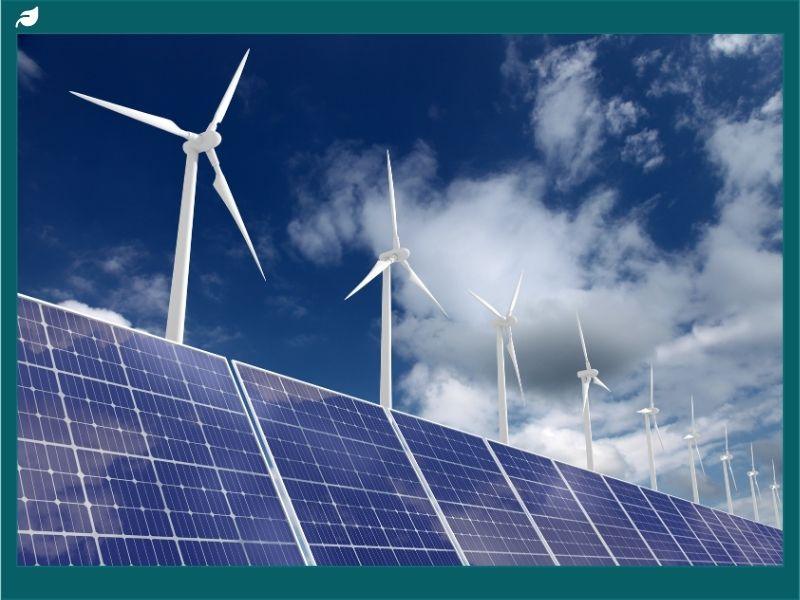
As environmental concerns grow, renewable energy is seen as a key alternative to fracking and fossil fuels. More use of fracking has led people to question if it’s a good long-term solution, so the industry and lawmakers are looking at cleaner options. Renewable sources like wind, solar, and hydro power can help cut carbon emissions and offer energy that won’t run out. Switching to these sources takes big changes and investments, but the benefits include cleaner air and a steady energy supply.
Adding renewable energy to current power systems can help reduce the environmental impact of fracking and fight climate change while still meeting energy needs. Good climate policies that support renewables are important. These can encourage businesses to use cleaner energy and rely less on oil and gas. States that have depended on fracking could benefit by adding renewables, creating jobs, and growing their economies in a more sustainable way.
Even though renewable energy looks promising, there are still challenges. It costs a lot to switch from fossil fuels to renewables, and new technology is needed to store and deliver this energy reliably. This is important to make sure renewables can match the convenience of gas and oil from fracking. Still, improvements in solar and wind power are making these options more practical and appealing.
Moving to renewable energy is important for the environment and makes sense for the industry too. As these technologies get better and cheaper, they offer a way to meet today’s energy needs while protecting the planet for the future. Looking at these options shows why we need strong plans to include renewables in our energy systems, helping us build a more sustainable future beyond fracking.
Learning about how fracking affects politics helps us see its big impact on laws and environmental plans. It shows the tough balance between growing the economy and protecting nature, and why people have strong opinions on both sides. As energy needs grow, fracking will keep being a hot topic in politics and global energy decisions. By joining this conversation, people can help find energy solutions that protect the environment and support industry, leading to better ways to manage our resources.