2022 marked an extraordinary year for the energy industry.

Set against a backdrop of economic and geopolitical crises, our entire nation’s energy system, as well as that of countless countries around the world, has been facing supply restrictions and soaring prices. As well as showing us just how precarious the UK utilities sectors can be, the crisis has slowed progress on many key climate change policies.
To make progress toward sustainability targets, the importance of government support and
action cannot be understated, particularly with the energy price cap scheduled to end in
April. But out of great crisis comes great change, and innovation often emerges from
industry-altering events such as these. In light of this, here are three key predictions for how
the energy industry will evolve in 2023.
1. Energy efficiency will take centre stage
Rather than counting on energy prices to drop, many are now concentrating on using their
energy in the most efficient way possible. Exemplified by their £18m “It All Adds Up” public
information campaign, the government is a key driver of the move to energy efficiency, with
the Chancellor stating: ‘’over the long term, there is only one way to stop ourselves being at
the mercy of international gas prices: energy independence combined with energy
efficiency.”
This is part of the recently announced ECO Plus policy, which will provide £1 billion of
energy efficiency grants over the next three years, as well as the new Energy Efficiency
Taskforce, which will make £6 billion of funding available to reduce energy consumption.
However, many feel that these efforts do little to remedy the situation in the long term. This
year, the government is under pressure to go further and faster, whether it be providing
incentives for every single household in the country, investing in developing the skills
needed to build more energy-efficient homes, or finding support for demand reduction.
2. Demand-side flexibility will go mainstream
Demand-side flexibility enables the change of energy consumption patterns based on usage
and external signals. This covers a huge range of energy efficiency solutions, such as electric
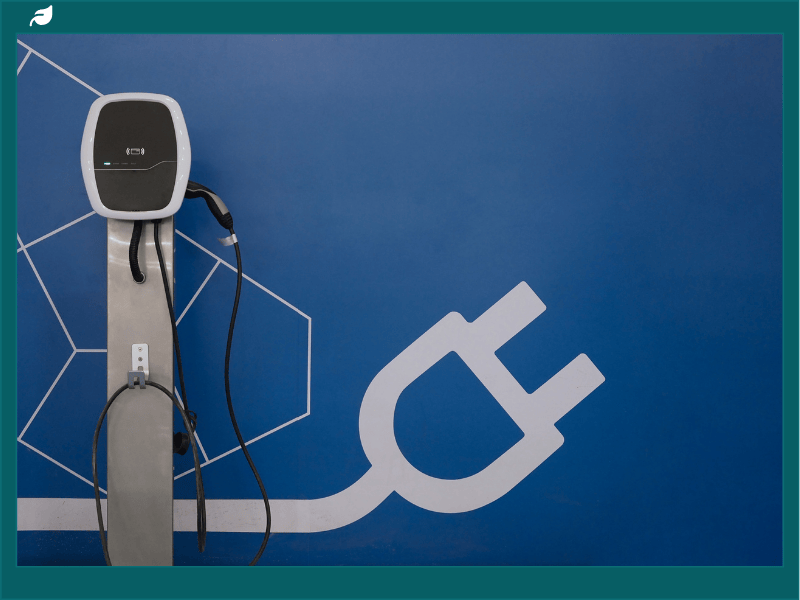
vehicles that recharge at night when electricity is cheapest or digitally enabled appliances in
smart buildings that switch off when not in use. Many offices, hospitals, schools, and
industries are adopting demand-side flexibility to cut down their energy consumption and
therefore reduce energy demand during peak hours.
But this action needs to extend beyond businesses and public buildings. In 2023, we will see
energy consumers being given the ability to receive signals alerting them to use more when
prices are cheaper. Domestic customers will become as familiar with how energy is used as
they are with how much, and with demand-side flexibility, they will be able to save money,
as well as support the entire grid.
This is already being actioned by the National Grid in its Electricity System Operator’s (ESO)
Demand Flexibility Service (DFS), which has delivered over 780MWh of demand reduction in
five test events held during the winter. If needed, this service will avoid the use of ESO
emergency responses and save households on their energy bills. Throughout 2023, the goal
will be to embed this within the UK market to avoid introducing expensive fossil fuel
generators that pump out damaging emissions.
3. New technologies, business models and consumer behaviours will emerge
2022 saw the introduction and development of many new technologies that will change the
way we use energy. Alternative methods like floating wind, green hydrogen, and next-
generation batteries for utility-scale storage are all helping generate low carbon energy and
reduce overall consumption.
The increasing consumer appetite for greener technologies is evident, with sales of
domestic solar installations soaring from 1,000 installations a week in 2020 to 3,000 a week
in 2022. Although demand has suffered in recent months due to the uncertain economic
environment, with consistent capital investment we will see a greater diversity of
technologies and solutions developed.
We can also expect to see a push around awareness and accessibility for low carbon and
clean energy technologies this year. Events like Smart Meter Awareness Week, which took
place at the end of 2022, and Net Zero Week™ this upcoming July help to support and
educate consumers in their pursuit of net zero.
With the energy crisis likely to continue throughout 2023, governments, business, and
individuals will be under pressure to invest in energy efficiency, demand-side flexibility, and
new low carbon technologies. In our current period of global economic uncertainty, these
innovations could be the key to cutting consumption, finding greener alternatives, and
keeping the lights on in times of geopolitical tension.
by Miriam Atkin, Director of Energy at Gemserv