Ozone air purifiers have become popular as individuals seek cleaner indoor air, but questions about their safety persist. These devices, which generate ozone to neutralize pollutants, present potential health risks that must be carefully weighed against their benefits. Understanding how ozone air purifiers operate and their impact on indoor air quality is crucial for making informed decisions.
This article explores the effectiveness and potential health implications of using ozone air purifiers, offering insights into whether they are a safe choice for your home or office. Discover how to balance air purification needs with safety considerations.
Understanding Ozone Air Purifiers
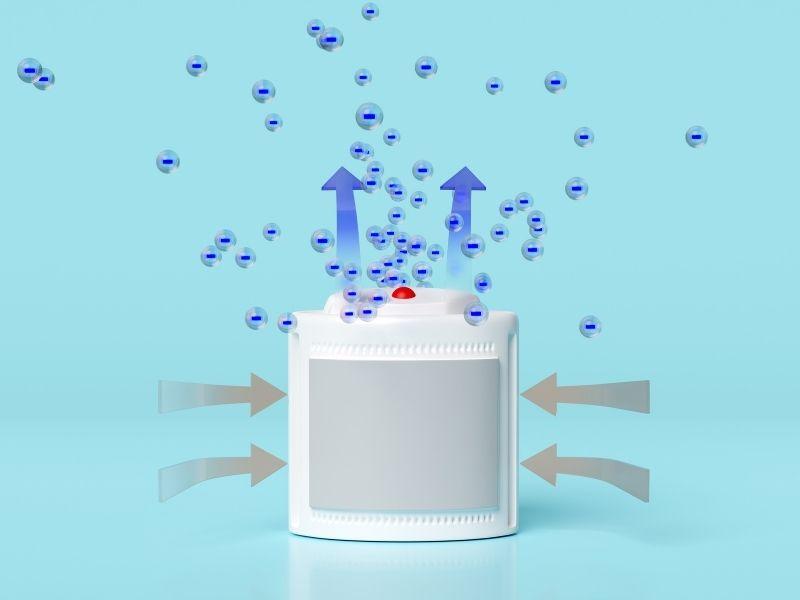
Ozone air purifiers have sparked debates over their efficacy and safety in enhancing air quality. These devices, often marketed for their ability to neutralize odors and kill bacteria, utilize ozone generators to release ozone into the air. However, the use of ozone-generating air purifiers raises legitimate concerns about indoor air quality and potential health implications. As we delve into the mechanics of these purifiers and their impact on air quality, it’s crucial to weigh their purported benefits against the risks. This exploration will provide insight into how ozone functions within these devices and its role in maintaining indoor air conditions.
How Ozone is Used in Generating Air Purifiers
The principle behind ozone air purifiers lies in their ability to produce ozone, a molecule composed of three oxygen atoms. Ozone generators are employed to transform oxygen in the air into ozone, which is then released into the environment. This conversion process involves high-voltage electrical discharges, mimicking the natural lightning process that forms ozone in the atmosphere. Once released, ozone interacts with various pollutants, such as bacteria, viruses, and volatile organic compounds, breaking down their molecular structure and neutralizing undesirable odors. The idea is that by altering the composition of these contaminants, air purifiers can effectively improve indoor air quality.
Despite the potential benefits, the efficacy of ozone-generating air purifiers hinges critically on controlling ozone concentrations. Elevated levels of ozone can be detrimental as they may react with other chemicals in indoor spaces, potentially creating harmful byproducts. Moreover, excessive ozone can irritate respiratory systems, leading to health concerns for occupants. Thus, understanding the delicate balance required in operating these devices is imperative. Ensuring that ozone levels remain within safe limits is vital to prevent adverse effects while achieving the intended air purification benefits. This understanding highlights the need for careful use and monitoring when employing such purifiers in indoor environments.
The Role of Ozone in Improving Air Quality
Ozone’s role in air quality improvement is both intriguing and controversial. In theory, ozone adds an extra layer of purification by actively oxidizing airborne pollutants. This oxidation process helps break down air contaminants, thus potentially reducing harmful substances in indoor settings. Many ozone generators capitalize on this chemical action to claim effectiveness in purifying air, suggesting that ozone acts as a powerful cleaning agent against elements that traditional air purifiers may not tackle.
However, the reality is that the effectiveness of ozone in air purifiers is highly dependent on the controlled use of ozone concentrations. High levels of exposure can result in more harm than good, as ozone can exacerbate respiratory issues and react with existing indoor chemicals to produce toxic compounds. Therefore, the application of ozone in air purifiers must be carefully evaluated, considering both the potential for improved air quality and the risk of adverse health effects. Research and consumer reports stress the importance of maintaining safe ozone concentrations, emphasizing the critical need for regulatory oversight and product transparency.
In light of these factors, the discourse around ozone air purifiers calls for a nuanced understanding. While these devices may offer significant benefits in specific conditions, they require responsible use and an awareness of potential health risks. The use of ozone should be tailored to specific applications where its advantages outweigh the possible dangers, ensuring that air quality improvements do not come at the cost of occupant well-being. Such a balanced perspective is essential in considering ozone air purifiers as a viable solution for enhancing indoor air conditions.
Assessing the Safety of Ozone-Generating Air Purifiers
As the interest in indoor air quality grows, ozone-generating air purifiers are frequently scrutinized for their safety, especially concerning health standards. These machines, while promoted for enhancing air, carry potential risks linked to inhaling ozone. Understanding the safety profile of these air cleaners involves examining both health implications and safe usage practices. A comprehensive look at these devices provides insight into how safe they truly are, balancing efficacy with potential health risks. This assessment also explores how indoor air quality can be legally maintained while using ozone generators effectively.
Health Implications of Ozone Exposure from Air Purifiers
The health implications of ozone exposure from air purifiers are a critical concern for consumers and health professionals alike. Ozone, a recognized lung irritant, can pose significant health risks, particularly for individuals with respiratory conditions such as asthma. When used indoors, ozone has the potential to exacerbate symptoms, provoke asthma attacks, and reduce lung function over time. The chemical properties that enable ozone to neutralize odors and bacteria in air purifiers also mean it can disrupt organic material in lung tissue, leading to adverse effects. This underscores the need for stringent air quality health standards to ensure the safety of these devices when used in homes and offices.
Inhaling elevated levels of ozone can irritate airways, leading to coughing, throat irritation, and chest discomfort. These symptoms highlight the necessity of regulating indoor ozone concentrations to levels deemed safe by medical authorities. Various health organizations advise that indoor air ozone levels should never exceed certain thresholds to mitigate health risks. The Environmental Protection Agency (EPA), for instance, has set guidelines regarding acceptable ozone exposure levels, underscoring the importance of following these health standards to protect indoor air quality. Embracing such recommendations is crucial for those considering or currently using ozone air purifiers.
Moreover, understanding and adhering to these health standards provides a preventive measure against the potential medical impacts of long-term ozone exposure. Given that the purported benefits of these air purifiers hinge on the precise management of ozone concentration, public awareness and education about safe operation practices are vital. As the demand for air purifiers increases, public interest in safer air-cleaning solutions must also prioritize awareness of the risks associated with ozone exposure, ensuring that the quest for cleaner air doesn’t compromise health. Residential and commercial spaces looking to assess and improve indoor air quality can turn to companies like Rarefied Air, which offer testing and monitoring services.
Safe Practices for Using Ozone Air Purifiers Indoors
Safe practices are indispensable for the responsible use of ozone air purifiers indoors. Effective use of these devices starts with understanding their operational guidelines and environmental impact. First and foremost, it’s essential to operate ozone-generating devices in unoccupied spaces, allowing ozone to dissipate adequately before re-entry. Many consumers are unaware that ozone is most effective at sanitizing when humans are absent, thus reducing the risk of inhaling unsafe ozone concentrations. This practice aligns with recommendations from health organizations advising that exposure should be minimized during the operation of such air purifiers.
The duration and intensity of ozone generation should be calculated carefully based on room size and ventilation capabilities. Ozone generators, when used incorrectly, can lead to unintended health hazards indoors. Therefore, ensuring that these machines are set to operate for a limited time and only as needed can significantly reduce potential risks. Utilizing timers and controls can help automate this process, ensuring that ozone levels remain within safe limits and adhere to established air quality standards.
Public awareness initiatives play a vital role in informing users of safety practices associated with ozone-producing air purifiers. Education on proper device selection, considering factors such as room size and air flow, can enhance indoor safety and air quality. Furthermore, periodic maintenance checks and correct placement of these devices are crucial for their effective operation. If well-managed, ozone air purifiers can serve as beneficial tools for air purification without undermining occupant health. Consequently, this informed approach to usage supports cleaner air environments while adhering to safety regulations, assuring that safety remains a priority in the ongoing pursuit of improved indoor air quality.
Alternatives to Ozone-Generating Air Purifiers
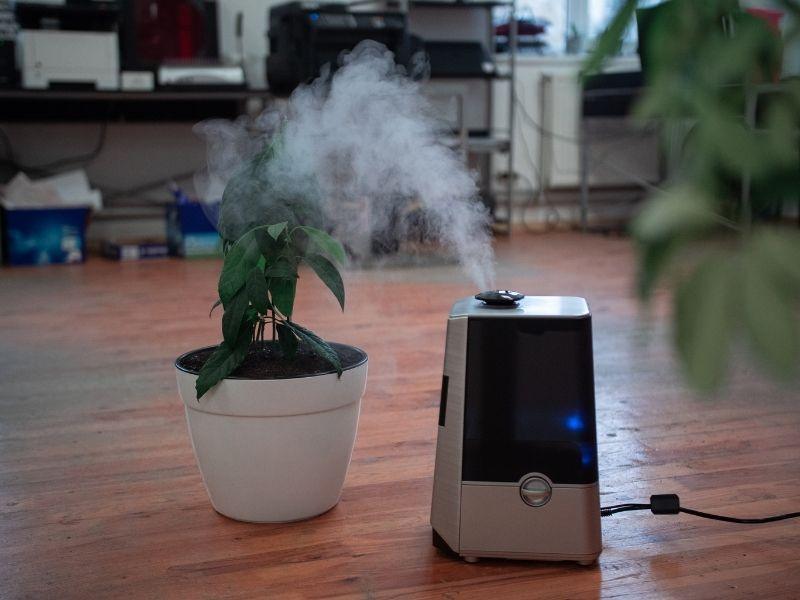
Ozone-generating air purifiers have often sparked debates surrounding their safety and efficacy. As concerns about indoor air quality grow, many are seeking viable alternatives that offer enhanced safety and performance without the potential health risks associated with ozone emissions. By examining the range of non-ozone air purification technologies available, we can identify safer options for improving indoor air conditions. These alternatives utilize different mechanisms, such as HEPA filters and other technologies, to remove contaminants without the need for ozone. This approach not only prioritizes health but also aligns with regulatory standards for safe and effective air purifiers.
Exploring Non-Ozone Air Purifier Options for Cleaner Air
When it comes to ensuring a safe and healthy indoor environment, non-ozone air purifiers present an attractive alternative to ozone-generating devices. HEPA filters, often considered the gold standard in air purification, are designed to capture particles as small as 0.3 microns with exceptional efficiency. These purifiers are highly effective in removing particles, including dust, pollen, and dander, without emitting harmful emissions. The EPA acknowledges the role of HEPA filters in maintaining indoor air quality (IAQ) by trapping contaminants that can aggravate respiratory conditions and allergies, offering a safe choice for households and commercial spaces alike.
In addition to HEPA filters, activated carbon filters are a noteworthy option. These filters excel at absorbing volatile organic compounds (VOCs) and odors, adding another layer of protection against airborne pollutants. Air cleaners equipped with activated carbon work synergistically with other filtration technologies to enhance purity levels in indoor environments. Meanwhile, UV-C light air purifiers represent another valuable technology. By emitting ultraviolet light, these devices are capable of neutralizing airborne bacteria, viruses, and mold spores, thus elevating air quality without reliance on ozone.
Consumers interested in non-ozone air purifier options frequently seek devices certified by reputable agencies, ensuring these machines meet stringent safety and performance standards. The Environmental Protection Agency has guidelines in place that help consumers identify and choose air purifiers that adhere to air quality standards, thereby safeguarding health. As sustainability becomes a priority, it is crucial to consider non-ozone options that deliver cleaner, healthier air while minimizing environmental impact. By selecting the right combination of technologies tailored to individual needs, consumers can achieve an optimal balance of effective air purification and safety.
Evaluating the safety of ozone air purifiers involves considering both their design and the specific needs they address. While they can be effective in neutralizing certain odors, the potential health risks, particularly related to elevated ozone levels, necessitate careful usage. Individuals concerned about indoor air quality should explore alternative purifiers that do not produce ozone, such as HEPA filters, which offer safer, efficient solutions. Always prioritize knowledgeable choices in air purification to ensure a healthy indoor environment, consulting relevant health guidelines and professional advice as needed.