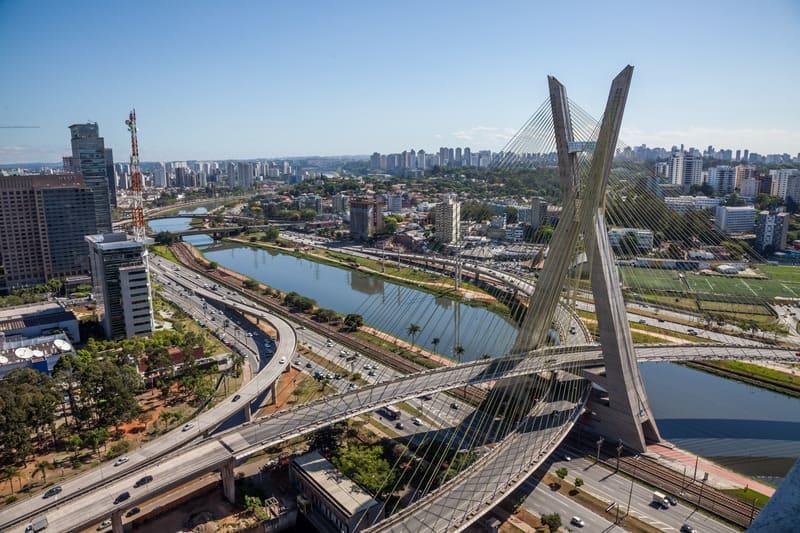
São Paulo, Latin America’s largest metropolis, is redefining what luxury means. In a city known for its energy and cultural diversity, a new vision is taking root where exclusivity meets responsibility. Five-star hotels and Michelin-starred restaurants are not only aiming for world-class experiences, but are weaving sustainability and community impact into the fabric of their offerings.
“These are spaces where time slows down and details make all the difference – whether in a menu signed by renowned chefs, in the bold design of the spaces, or in the sustainable practices that define a new concept of conscious luxury,” the release states.
The city’s hospitality sector is stepping up at a time when global travelers are demanding more than just comfort. Increasingly, visitors want to see that luxury brands are serious about reducing environmental impact while celebrating culture and creativity.
Hotels Leading with Sustainability
The city’s top hotels are putting sustainability and social values at the heart of their operations.
Hotel Emiliano on Rua Oscar Freire combines contemporary Brazilian design with responsible operations. Its restaurant, led by Chef Viviane Gonçalves, works with high-quality ingredients and zero-waste practices, while the hotel invests in community support programs.
Hotel Fasano São Paulo, long known for refined architecture and an Italian dining heritage under Chef Luca Gozzani, has also been expanding its social and environmental initiatives.
Hotel Unique, an architectural landmark in São Paulo, is strongly aligned with ESG principles. By investing in inclusion, sustainable sourcing, and the promotion of local art and culture, the hotel offers a guest experience that extends beyond accommodation.
Rosewood São Paulo has set an ambitious benchmark for sustainable hospitality in Brazil. Powered by renewable energy and eliminating single-use plastics, the hotel has embedded efficient waste management systems into daily operations. Its six restaurants and extensive art collection create a cultural destination in its own right.
Michelin Stars Shine on Responsible Gastronomy
São Paulo’s culinary landscape is one of the most vibrant in the world. The city has 17 Michelin-starred restaurants, with chefs using native ingredients and creative techniques to celebrate biodiversity.
Among the top names:
- D.O.M.: Alex Atala’s restaurant takes Brazilian ingredients into fine dining with dishes like Kayapó fish in banana leaf and Amazonian ant with citrus flavour, connecting haute cuisine to local ecosystems.
- Evvai: Chef Luiz Filipe Souza brings Italian and Brazilian traditions together. Illustrated cards given to diners explain the origins of ingredients such as Melipona honey, emphasizing the relationship between culture and nature.
- Tuju: Ivan Ralston’s seasonal menus are built around Brazilian ingredients and paired with panoramic rooftop views, highlighting a sense of place as part of the experience.
Other Michelin-starred venues, such as Kanoe, Ryo Gastronomia, and Picchi, combine precise techniques with respect for seasonality and sourcing, from omakase dining to Tuscan-inspired contemporary menus.
The Growing Demand for Ethical Luxury
Travel industry research shows a steady increase in demand for environmentally conscious luxury travel. According to data from Virtuoso, sustainable travel bookings have been on a year-over-year rise, particularly among high-income travelers who expect eco-friendly practices as part of their luxury experiences.
São Paulo is positioning itself at the center of this shift. By combining innovation with its cultural assets, the city is aligning with global trends where luxury hospitality no longer stands apart from sustainability.
Beyond Comfort: A New Identity for São Paulo
The transformation of São Paulo’s luxury scene is not limited to what is served on the plate or how a room looks. It reflects a deeper shift in values, where businesses are recognizing that cultural authenticity and social responsibility enhance the guest experience.
For travelers, São Paulo now offers more than just comfort. It offers a sense of connection. Whether walking into a hotel lobby designed by local architects or tasting a dish inspired by Indigenous traditions, the city is giving visitors a vision of what a future-oriented luxury experience can look like.
As the release highlights, “Whether for a business trip, a cultural immersion, or a high-level gastronomic getaway, São Paulo is always ready to surprise. Cosmopolitan, authentic, and extraordinary, the city offers the very best of luxury tourism.”
A City Reinventing Luxury
In a region where urbanization and biodiversity often collide, São Paulo’s leading hotels and restaurants are demonstrating that luxury can evolve. By embracing sustainable practices and celebrating local heritage, the city is attracting travelers who want to experience both excellence and responsibility.
With an ecosystem that spans zero-waste initiatives, renewable energy, cultural integration, and fine dining rooted in local ingredients, São Paulo is fast emerging as Latin America’s model for conscious luxury travel.