Whole Earth Farming, a new book by development expert Hugh Locke, argues that supporting around 240 million smallholder farming families to adopt regenerative agriculture and agroforestry could meet all additional global food needs through 2050. The proposition centres on half of the estimated 475 million smallholder farms in the Global South, which already produce about 30% of the world’s food despite restricted access to finance, markets and training. These farms would occupy approximately 12% of global arable land, while the book estimates mature adoption could deliver combined annual climate benefits of 0.6 to 0.85 gigatons of CO2 equivalent. Drawing on work by the Smallholder Farmers Alliance in Haiti, the September 2026 publication presents smallholders as central participants in a food system that improves soils, biodiversity and rural livelihoods alongside production.
A Case For Smallholder Investment
Whole Earth Farming: Smallholders and the Great Regenerative Transformation places smallholder producers at the centre of a global agricultural proposition. The book identifies roughly two billion people living and working on smallholder farms, commonly defined here as farms of less than two hectares, or five acres. Population growth of around 1.5 billion people by 2050 is expected to be concentrated in developing countries, making the productivity and resilience of farms in these regions an urgent consideration for food systems.
Locke’s analysis challenges the longstanding imbalance in agricultural policy, research, finance and extension services, which he says have disproportionately favoured large-scale agriculture. Rather than treating smallholders solely as recipients of development assistance, the book identifies an opportunity to equip them with the resources required to improve productivity while restoring the natural systems on which farming relies.
Hugh Locke, author of Whole Earth Farming and co-founder of the Smallholder Farmers Alliance, said:
“The world’s smallholder farmers are too often treated as beneficiaries of development assistance when they should be recognized as architects of the next agricultural transformation,”
The book’s central proposal is not based on expanding agricultural land. Instead, it focuses on strengthening the performance of existing farms through locally appropriate regenerative practices, alongside better access to training, finance, research, markets, data and extension services.
Haiti’s Practical Experience
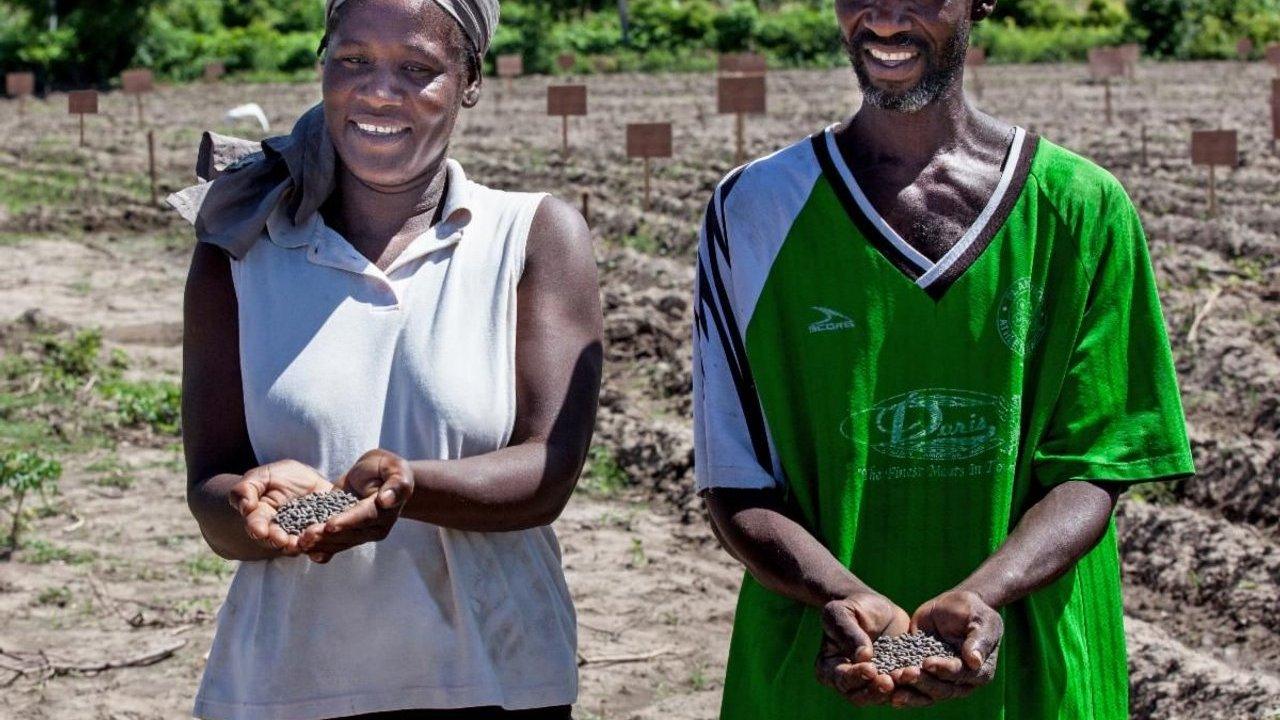
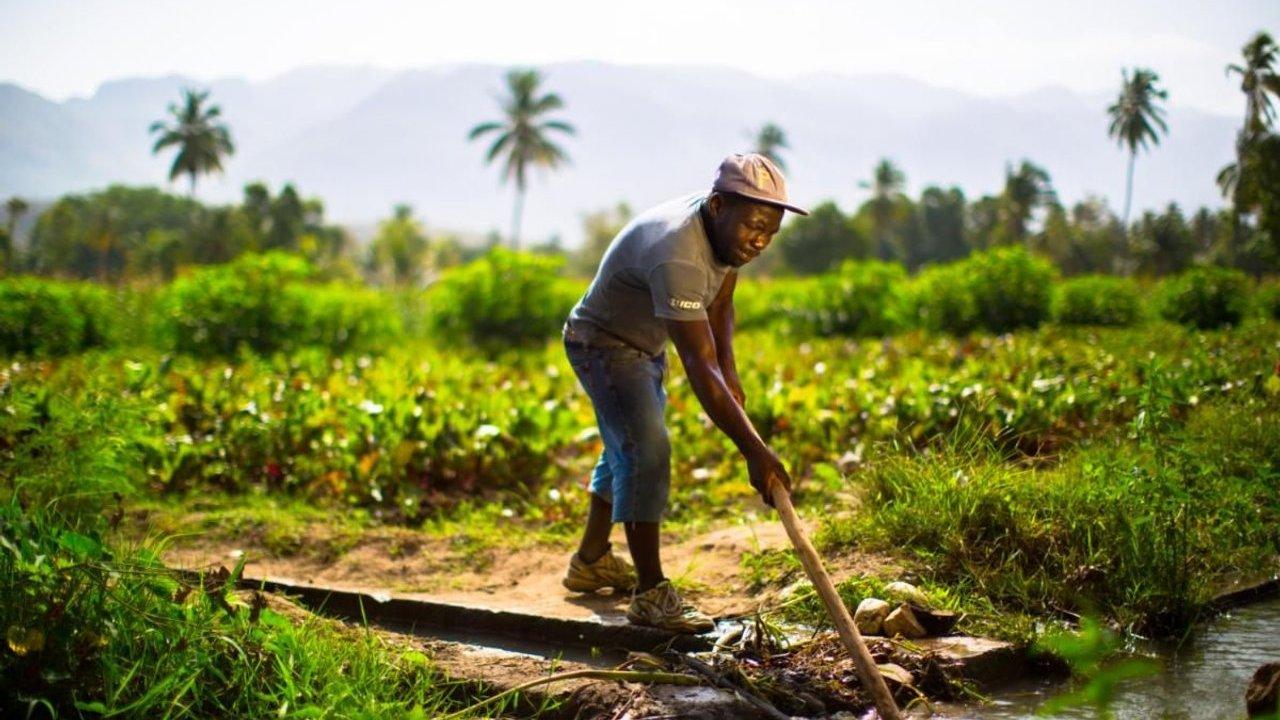
A substantial part of the book is informed by the Smallholder Farmers Alliance, which Locke co-founded with Haitian agronomist Timote Georges in 2010. The organisation works with roughly 10,000 member farmers in Haiti and has developed a model that links agricultural support with environmental restoration.
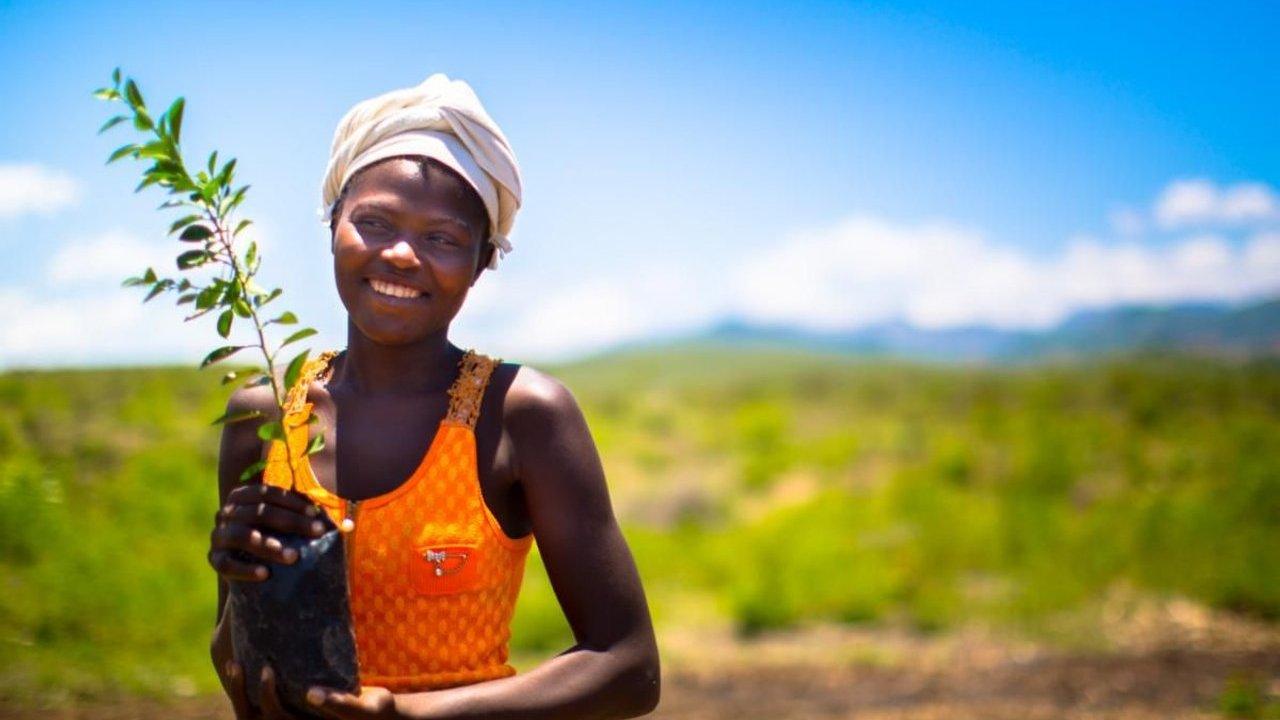
Participating farmers receive agricultural services, training, seeds and other inputs in exchange for planting and caring for trees, a system the alliance calls “tree currency”. According to the release, farmers receiving basic support based on sustainable practices have increased yields by an average of about 40%, while household incomes have risen by between 50% and 100%, depending on local conditions. Members also plant approximately one million trees each year.
This approach combines agroforestry and farm productivity in a way that makes restoration part of the farming economy, rather than a separate activity. Haiti’s experience provides a grounded example of how support for smallholder agriculture can connect income, food production and ecosystem repair.
Hugh Locke, author of Whole Earth Farming and co-founder of the Smallholder Farmers Alliance, said:
“This is not about nostalgia or returning agriculture to the past. It is about recognizing where one of the greatest opportunities for the future now exists.”
Outcomes Beyond Farm Practices
The book describes regenerative agriculture as an outcomes-based model rather than a fixed list of methods. It draws on Indigenous and ancestral farming traditions, organic farming, agroecology, permaculture and contemporary science, including soil biology, ecosystem science and impact measurement.
Depending on geography and farming conditions, practices may include crop rotation, cover crops, intercropping, composting, reduced tillage, agroforestry and livestock integration. The common purpose is measurable improvement in soil health, biodiversity, water quality and availability, carbon storage, food production, farmer livelihoods and community resilience.
Hugh Locke, author of Whole Earth Farming and co-founder of the Smallholder Farmers Alliance, said:
“The question is not simply, ‘Are you using regenerative practices?’ The more important question is, ‘Is the land, the ecosystem and the farming community measurably better as a result?’”
The book points to the emerging Regen10 Outcomes Framework as an important reference point for assessing regenerative agriculture while allowing farmers to select approaches that suit local circumstances. The framework covers ecological health, farmer livelihoods, food quality and community resilience, reflecting the wider value that agriculture can create.
Climate Benefits With Limits
Healthy soils and growing plants can remove carbon dioxide from the atmosphere and store carbon in soil and biomass. Regenerative systems can also reduce emissions associated with manufacturing and transporting synthetic fertilisers. Based on peer-reviewed research, Whole Earth Farming estimates that 240 million smallholder farms transitioning across around 480 million hectares could remove up to 0.72 gigatons of CO2 annually while soil carbon is actively accumulating.
Reduced dependence on synthetic fertiliser could provide a further climate benefit of around 0.1 gigaton of CO2 equivalent annually. Together, the estimated mature benefit of 0.6 to 0.85 gigatons of CO2 equivalent per year is broadly comparable with annual CO2 emissions from global aviation. The book makes clear that this potential is time-bound, as soil carbon generally accumulates over one to three decades before approaching a new equilibrium.
Hugh Locke, author of Whole Earth Farming and co-founder of the Smallholder Farmers Alliance, said:
“Regenerative agriculture is not a license to keep emitting carbon elsewhere. Its climate potential is important precisely because it comes alongside other benefits we urgently need anyway: healthier soil, greater biodiversity, more resilient farms, increased food production and stronger rural communities.”
A Broader Agricultural Transformation
Launched during Climate Week NYC, the book frames its proposal as a “Great Regenerative Transformation”, comparable in ambition to the Green Revolution but distinct in its intended outcomes. Rather than focusing only on food output per hectare, it calls for agriculture to be assessed by what it produces and what it leaves behind: healthier soils, restored ecosystems, greater biodiversity, stronger water systems, climate resilience and viable farming communities.
The publication includes 21 stories from 18 countries, with examples from Colombia, Thailand, Canada, the Netherlands and communities across Africa, Asia and Latin America. A foreword by Roy Steiner, Senior Vice President, Food Initiative, The Rockefeller Foundation, positions the world’s smallholder households as a source of possibility rather than a development problem.
For sustainable food production, the book offers a constructive case for investment that connects food security with ecological recovery. Its core message is direct: the world does not need to choose between feeding more people and restoring nature, provided the farmers who have long been marginalised in agricultural policy are given the means to succeed.