Turtles have captured our curiosity for centuries with their slow pace and ancient roots. Found across the globe, they live in places as different as deserts, rainforests, and oceans. Each species has its own traits and stories, fitting into their environments and helping keep nature in balance. Learning about their unique behaviors and features helps us understand why conservation matters.
Here are ten interesting facts to help you appreciate these amazing animals even more.

The Diversity of Turtle Species
Turtles are one of the oldest groups of reptiles and can be found in many different places around the world. Some live on land, while others, like leatherback sea turtles, travel across the oceans. Each species has its own special adaptations, and some, like the Kemp’s ridley, are now critically endangered.
By learning about these differences, we see how important turtles are to nature and why they need our help to survive.
The Distinctive Features of Different Turtle Species
Understanding the distinctive features of turtle species opens a fascinating window into their adaptation strategies and survival mechanisms. Leatherback sea turtles, the giants among sea turtles, possess flexible, leather-like shells that distinguish them from other hard-shelled counterparts. This unique feature allows them to dive deeper than any other turtle species, reaching ocean depths over 1,000 meters.
Unlike the leatherback, the green sea turtle has a shell more streamlined for swimming along coastal waters and is easily recognized by its heart-shaped shell and contrast of dark and light coloring. These physical characteristics enable them to efficiently navigate seagrass beds, where they graze extensively, playing a pivotal role in oceanic ecological balance by maintaining healthy seagrass beds as part of their marine diet.
Leatherbacks do well in the open ocean, but Kemp’s ridley turtles are different—they mostly nest along the western Gulf of Mexico. These turtles come ashore together in groups, a behavior called arribada, which helps protect them from predators.
Even with these natural defenses, they still face big threats like poaching and losing their habitats, putting them at risk of extinction.
Turtles aren’t just found in the ocean. Painted turtles, for example, live in ponds and slow rivers throughout North America.
Their colorful shells and habit of sunbathing make them easy to spot. These turtles can handle changes in weather and water, which helps them live long lives. However, rapid changes to their habitats from people and climate change are making survival harder for them.
The diversity among turtles extends beyond physical attributes and habitats. These animals showcase various reproductive strategies, with differences in clutch sizes, egg incubation periods, and nesting sites reflecting adaptations to local climatic and geographic conditions.
Every turtle species, from the mighty leatherback to the quiet freshwater inhabitants, contributes uniquely to the tapestry of biodiversity. Recognizing these differences is not just an ecological imperative but also underscores the broader conservation mission these reptilian giants embody within marine and land ecosystems.
Remarkable Adaptations of Marine Turtles
Marine turtles have amazing adaptations that help them survive in the ocean. They can travel long distances and have special traits that let them handle life at sea.
Their long migrations and unique nesting habits show how well they fit into their environment and why they are so important. Learning about these abilities helps us understand why turtles like the leatherback need protection and how they keep the ocean in balance.
| Adaptation | Description | Species Example | Conservation Challenges |
| Streamlined Shell | Enhances swimming efficiency and protects against predators. | Leatherback Turtle | Threats from boat strikes due to surface resting periods. |
| Salt Glands | Excrete excess salt from ingesting seawater, allowing for oceanic life. | Olive Ridley Turtle | Pollution can impact gland function and overall health. |
| Thermoregulation | Maintain core body temperature in various oceanic climates. | Loggerhead Turtle | Climate change impacts available thermal habitats. |
| Long-distance Navigation | Instincts and geomagnetic cues allow them to travel thousands of miles. | Green Sea Turtle | Disruption from artificial lighting and magnetic fields. |
| Delayed Sexual Maturity | Ensures survival until reaching a large and sturdy adult size. | Hawksbill Turtle | Increased juvenile mortality rates impact population recovery. |
The table illustrates the unique adaptations and challenges faced by marine turtles, underlining their ecological importance and the urgent need for tailored conservation strategies.
Why Marine Turtles Migrate Over Long Distances
Migration is key for marine turtles, helping them find the best places to feed and breed. Leatherback sea turtles are famous for traveling huge distances, sometimes over 10,000 miles, from the Atlantic to the Pacific. They can handle cold water, which lets them find food in more places. These long journeys show just how tough and adaptable sea turtles are.
The remarkable navigational abilities of sea turtles are partly attributed to their innate skill in reading the Earth’s magnetic field, which acts like a natural compass. This incredible sense of geomagnetic orientation is pivotal as they journey from nesting beaches to distant foraging sites. Leatherbacks, as well as other turtle species, exhibit this extraordinary capacity for navigation, often returning to the very beaches where they were hatched. This pattern, known as natal homing, ensures the continuity of their species and maintains the genetic diversity crucial for their resilience against environmental changes.
Despite these evolved migratory behaviors, marine turtles face significant threats along their migratory routes. Climate change, by altering ocean currents and temperatures, poses a direct threat to their traditional migratory paths. Furthermore, the rise in marine debris and pollution increases the risk of ingestion and entanglement, particularly for species like the leatherback turtles, which often mistake floating plastics for jellyfish, their primary food source. These risks bring the conservation struggles of these animals into focus. They emphasize the need for comprehensive strategies to protect their migratory routes and reduce human-induced threats.
Recognizing the importance of these migratory journeys in the lifecycle of sea turtles is crucial for fostering concerted conservation efforts. By mapping these routes and protecting critical habitats along their paths, conservationists can better propose measures tailored to the needs of different turtle species. Efforts in this direction are essential to ensure the survival of significant turtle populations, from the endangered Kemp’s ridley to the universally cherished leatherbacks. These efforts also help sustain the rich biodiversity they support within our ecosystems.
Understanding the Growth Journey of Turtles
Turtles face many challenges as they grow from tiny hatchlings to adults. Right from the start, they must avoid predators, survive tough environments, and deal with dangers caused by people. When turtle eggs hatch, the babies make a risky dash to the sea. Each species, like the Kemp’s ridley and leatherback, has its own struggles at this stage.
Looking at these early challenges shows why conservation is so important.
The Challenges Faced by Baby Turtles
Baby turtles, or hatchlings, face numerous threats as they begin their journey from the sandy beaches where they’re born to the vast ocean ahead. Emerging from turtle eggs buried in these sandy sanctuaries, the hatchlings must often fight against a host of natural predators eager to take advantage of this critical life stage.
As they make their dash to the sea, the list of potential predators is long, including crabs, birds, and even fish waiting just offshore. This perilous sprint, often under the cover of night to avoid visual detection by such predators, marks a treacherous beginning for these tiny reptilians.
The challenges don’t stop once the baby turtles reach the relative safety of the ocean. In the sea, they enter what’s known as the “lost years,” a period where their activities and whereabouts are largely unknown, and their survival depends on a mix of inherent instincts and acquired skills.
They must find food and evade oceanic predators, which requires navigating unfamiliar waters teeming with predators, from nimble fish to larger marine carnivores. The green sea turtle, for instance, must quickly learn to forage for seagrasses and algae in coastal areas, despite being small and vulnerable during these early years.
One of the most significant obstacles facing all turtle species is the growing threat of human impact. As hatchlings venture into the ocean, they’re met with an environment increasingly compromised by human activities.
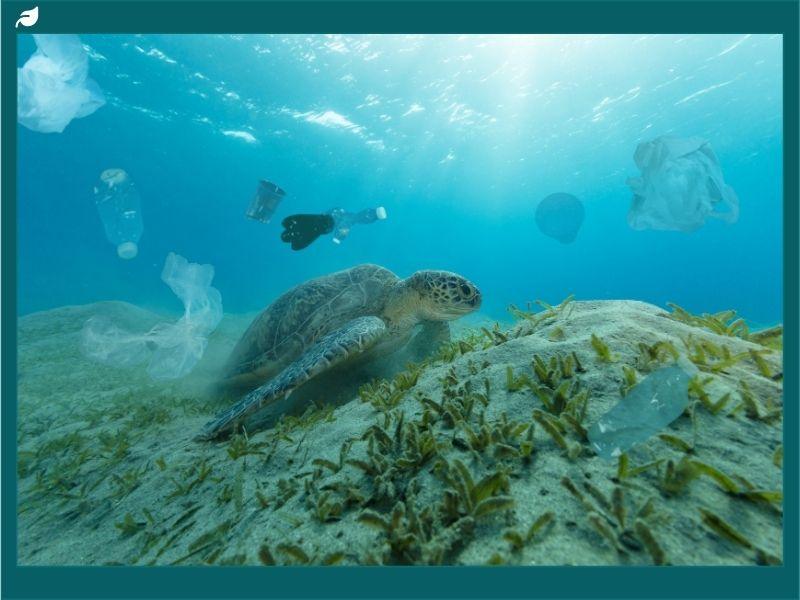
Ocean debris and pollution present dangerous threats; floating plastics are often mistaken for food, resulting in injury or death for species like the leatherback sea turtles that feed on jellyfish. Additionally, artificial lighting from beachfront development misguides these creatures away from their natural path to the sea, decreasing their chances of survival.
For endangered species, like the Kemp’s ridley turtles, the challenge of survival is particularly acute in their early stages. Extensive conservation efforts, including protected nesting sites and reduced light pollution initiatives, aim to boost hatchling survival rates.
These measures involve global collaboration and community involvement to ensure that these young turtles can overcome the considerable odds stacked against them. Protecting them during these formative phases ensures that these gentle mariners not only survive but eventually thrive, contributing to the ocean’s delicate ecosystem balance.
The journey from hatchling to young turtle shows how vulnerable these animals are and why ongoing conservation is so important. By learning about their struggles, we can better protect baby turtles and help keep marine life healthy.
Saving these small but determined creatures is vital for the future of our oceans. Their story reminds us of the strength and resilience found in nature.
The Longevity and Lifespan of Turtles
Turtles are famous for living much longer than most animals. Their long lives are more than just interesting—they show how well turtles have adapted over millions of years.
Green sea turtles and leatherbacks are great examples, surviving in tough ocean environments. Many things help turtles live so long, from their biology to where they live, making their lifespan a fascinating topic.
Factors Contributing to a Turtle’s Long Life
Some turtles can live for more than 100 years. Their long lives come from special adaptations and the way they live. For example, sea turtles like leatherbacks have slow metabolisms, so they don’t need to eat as often.
The ocean helps protect them from many predators, and they can stay underwater for a long time, which keeps them safe. Turtles also take many years to grow up and don’t have babies very often, which helps them save energy for survival.
Over millions of years, turtles have survived big changes in the environment thanks to their strong genetics. Even though they face threats from humans today, their natural toughness gives us hope.
Protecting turtles and their habitats is key to keeping them around for the future and keeping our oceans healthy.
Fascinating details about turtle conservation and their significance in marine ecosystems:
- Establishing marine reserves helps protect critical habitats and migratory paths for sea turtles.
- Sustainable fishing practices reduce bycatch, contributing to lower turtle mortality rates.
- Pollution reduction initiatives, especially against plastics, prevent ingestion-related fatalities.
- Coastal community engagement fosters active participation in turtle conservation efforts.
- Educating the public on turtle-friendly behaviors encourages wider support for conservation measures.
- Monitoring climate change impacts guides adaptive strategies for preserving turtle habitats.
- Supporting legislation that favors marine wildlife protection enhances turtle survival odds.
These strategies highlight effective ways to ensure turtles continue their vital ecological roles.
The Unique Feeding Habits of Green Turtles
Green turtles are mostly plant-eaters, and what they eat has a big impact on their environment. By grazing on seagrasses and algae, they help keep coastal areas healthy.
Watching how their diet affects their habitats shows us how important green turtles are for ocean life and the balance of marine ecosystems.
How Diet Influences the Green Turtle’s Habitat
Green turtles mostly eat seagrasses and algae, unlike many other sea turtles that eat both plants and animals. By eating lots of seagrass, they act like natural lawn mowers, keeping seagrass beds healthy.
This helps these underwater meadows grow better and support many kinds of marine life, from tiny creatures to bigger animals.
Green turtles do more than just eat seagrass—they also help coral reefs by adding nutrients to the water through their waste. This helps tiny plants like phytoplankton and microalgae grow, which is good for the whole reef. Their feeding habits show how one animal can help keep an entire ecosystem healthy.
Moreover, the migratory patterns of green sea turtles are often driven by their dietary needs. As they search for suitable feeding grounds, they traverse vast ocean distances, a journey that impacts oceanic biodiversity.
Turtles live in diverse zones due to their migratory behavior. Green sea turtles travel long distances to find the best places to eat. Their journeys connect different parts of the ocean, helping mix animal and plant populations and keeping marine life diverse.
By moving between nesting beaches and feeding areas, green turtles help keep ocean ecosystems strong and healthy. Their populations decline, threatening the ecological roles they perform.
Comprehensive conservation strategies must consider protecting and restoring seagrass habitats, which not only safeguard green turtles’ feeding grounds but also bolster the broader health of marine biodiversity. Such efforts ensure the ongoing balance of ocean ecosystems, highlighting the importance of preserving green turtles, not only as individual species but as vital components of the planet’s intricate ecological web.
Turtle Conservation: Efforts and Challenges
Saving turtles is challenging but also hopeful. Many conservation programs work hard to protect endangered turtles like leatherbacks and to solve bigger problems that affect turtles everywhere.
Protecting turtle eggs and their habitats is urgent and shows how much people around the world care, even though there are still many obstacles to overcome.
The Role of Conservation Programs in Protecting Turtles
Conservation programs are pivotal in the ongoing effort to protect turtles, which face escalating threats from habitat loss, climate change, and human exploitation. These programs are designed to safeguard endangered species such as the leatherback and green sea turtles, through comprehensive strategies that range from the protection of nesting sites to international agreements on marine conservation.
Many organizations work tirelessly to secure habitats where turtle eggs are laid, recognizing the critical role these early life stages play in the survival of turtle species. Protecting these nesting sites from coastal development and other disruptions is essential, as it ensures that baby turtles can safely reach the ocean, helping maintain genetic diversity within turtle populations.
In the marine realm, conservation efforts focus on mitigating threats that sea turtles face as they navigate the open oceans. Marine pollution remains a pervasive danger, with plastic waste often mistaken for food by leatherback sea turtles, leading to fatalities.
Conservation programs actively engage in cleaning up beaches and waters, establishing protected marine areas, and conducting public awareness campaigns to reduce plastic pollution in the oceans. Through these initiatives, they aim to provide a safer environment for turtles as they traverse their vast migratory routes.
Advocacy for policies that limit plastic production and improve waste management also plays a significant role in these conservation strategies.
The success of turtle conservation often depends on international cooperation, given that turtles migrate across multiple countries’ waters. Agreements like the Convention on Migratory Species (CMS) provide frameworks for countries to collaborate in the conservation of migratory species such as sea turtles.
These agreements facilitate data sharing, research collaboration, and the harmonization of conservation measures, ensuring that turtles receive coordinated protection regardless of their location. Additionally, ecotourism programs generate funding and awareness, promoting the protection of marine environments while providing economic benefits to local communities.
Despite their crucial roles, conservation programs face numerous challenges. Climate change poses a significant threat, with rising sea levels and increasing temperatures affecting the viability of traditional nesting sites.
Altered ocean currents and temperatures can disrupt the migratory patterns of turtles, particularly the leatherback sea turtles, which rely on specific environmental cues for survival. Responding to these challenges requires adaptive management strategies and ongoing research to understand the implications of environmental changes on turtle populations.
Conservationists continually seek innovative solutions and partnerships to enhance their efforts, recognizing that the battle against environmental threats requires both local action and global cooperation.
Turtle conservation efforts are instrumental in maintaining biodiversity, with each turtle species playing a unique role in their ecosystems. From the important ecological functions of leatherback sea turtles controlling jellyfish populations to the role of green turtles in maintaining healthy seagrass beds, the survival of these species is intrinsically linked to ecosystem health.
Through dedicated conservation programs, the scientific community and environmental advocates continue to strive for a future where turtles can thrive, highlighting the global commitment to preserving these ancient symbols of marine resilience.

The Cultural Significance of Turtles in Various Societies
Turtles have held a profound place in the cultural landscapes of many societies around the world. Revered for their longevity and resilience, turtles have featured prominently in folklore, mythology, and spiritual symbolism. From Native American traditions to Asian myths, these ancient animals symbolize the connection between heaven and earth and embody patience, wisdom, and stability.
Examining the cultural significance of turtles reveals insights into human attempts to relate to nature and interpret life’s mysteries. Their symbolism extends beyond mere representation, influencing conservation programs aimed at protecting endangered turtle species today.
Symbolism and Legends Surrounding Turtles
The symbolism of turtles varies widely across cultures, reflecting their universal appeal and deep-seated impact on human imagination. In Native American traditions, turtles are considered to embody Mother Earth. The turtle’s shell represents the earth, and its continued movement symbolizes the passage of time and the journey of life.
This symbolism emphasizes balance and harmony, teaching lessons of sustainability and respect for the natural environment, crucial tenets mirrored in modern turtle conservation efforts. Similarly, in Asian mythology, particularly in China, turtles are revered as symbols of longevity, wisdom, and protection, drawing a strong relationship between these animals and human values.
Legends involving turtles often illustrate the creatures’ perceived roles as creators and stabilizers of the world. One notable example is the Hindu myth of the world turtle, Kurma, who supports the universe upon its back. Such stories highlight the turtle’s association with perseverance and steadfastness, attributes that resonate with the challenges turtles face due to habitat destruction and climate change today.
Sea turtles, especially species found in the vast oceans, have inspired maritime cultures as emblems of navigation and survival across the unpredictable sea. This reinforces their role as guiding figures for seafarers throughout history.
Turtles are integral to many cultural tales that impart moral lessons about life, wisdom, and nature’s cycles. African folklore often portrays turtles as clever creatures overcoming challenges through wit and resourcefulness. From Anansi stories in West Africa to indigenous Australian Dreamtime tales, turtles symbolize the power of humility and wisdom.
These stories teach that patience and persistence are key to overcoming obstacles. These narratives, although ancient, parallel current conservation messages, underscoring the importance of enduring efforts to protect these animals and the environments they inhabit.
In modern times, the symbolism of turtles extends to ecological initiatives aiming at turtle conservation. By recognizing these animals as icons of resilience and longevity, communities worldwide are motivated to engage in conservation programs. These efforts highlight the cultural affinity for turtles, promoting their protection as living symbols of ecological importance and human heritage.
Turtle legends and symbolism form a powerful narrative that continues to influence conservational strategies, drawing on centuries of respect and reverence for these ancient creatures. Through education and cultural exchanges, the legacy of turtles not only prevails but actively contributes to their survival as they face ever-increasing environmental threats.
Turtles have amazed people for ages with their unique skills and long history. They help keep our ecosystems healthy, from seagrass beds to beaches.
Even though they face threats like habitat loss and climate change, conservation efforts are making a difference. By learning more and spreading the word, everyone can help protect turtles so future generations can enjoy these amazing animals too.