
The rediscovery of the Fernandina Giant Tortoise offers a ray of hope for biodiversity preservation, highlighting the tenacity of species long thought extinct. Identified on the secluded Fernandina Island, located within the Galápagos Archipelago, this enigmatic creature has sparked renewed scientific interest and conservation efforts. Once believed to have vanished over a century ago, the tortoise’s return underscores nature’s resilience.
This landmark discovery not only captivates the scientific community but also invigorates global conservation initiatives, emphasizing the critical importance of safeguarding natural habitats and championing efforts to protect endangered species across the world.
The Remarkable Discovery of the Fernandina Giant Tortoise
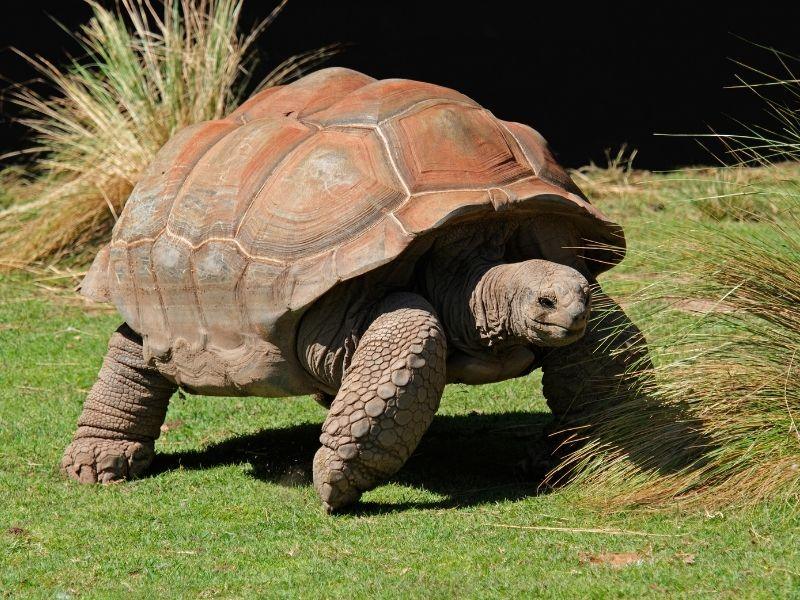
The fernandina giant tortoise, long thought to be extinct, has recently made a stunning reappearance in the Galápagos. This remarkable rediscovery on Fernandina Island has invigorated the scientific community and conservationists worldwide. The tortoise species, particularly the galápagos tortoise of which the fernandina tortoise is a member, is crucial to understanding evolutionary processes. Rediscovered after a century, the tortoise found on this rugged island kindles hope for the conservation of other lost species. These efforts highlight the importance of initiatives like those by the galapagos conservancy and galápagos national park in preserving our planet’s biodiversity.
Historical Context of Fernandina Tortoises
The fernandina giant tortoise, part of the iconic galápagos tortoise lineage, has a storied history intertwined with the enigma of the Galápagos Islands. These tortoises were thought to be lost to history, with the fernandina tortoise classified as a distinct species only documented by a single specimen collected back in 1906. For years, the absence of sightings led to the belief that this species had fallen victim to the harsh volcanic environment of Fernandina Island or potentially to human activities, which decimated tortoise populations across the Galápagos. The elusive nature of fernandina tortoises reflects the difficulty in studying these giant creatures in their wild habitat, where dense vegetation and rugged terrain hide them from human eyes.
Recovery and conservation of the giant tortoise species were severely hampered by limited resources and knowledge gaps regarding their precise habitats and ecological needs. The Galápagos National Park and conservationists have endeavored to track and document tortoises across the islands, but Fernandina’s harsh landscape presents unique challenges. The historical neglect of this remote habitat highlights the complexities in species conservation and the need to balance human interference with natural processes. Nonetheless, this historical context underscores the significance of the recent fernandina giant tortoise rediscovery, it’s a narrative of hope, resilience, and the enduring mystery of life on the Galápagos Islands.
Recent Sightings and Rediscovery Efforts
The sighting of a lone fernandina giant tortoise, affectionately named Fernanda, marked a pivotal moment for conservationists. Spotted in 2019 within the untouched realms of Fernandina Island by a research team from the Galápagos National Park and the Galapagos Conservancy, this sighting reinvigorated global interest and efforts toward the species’ recovery. DNA testing confirmed Fernanda’s direct lineage to the species once deemed lost, igniting robust discussion and planning for potential breeding programs to revive the population. This sighting didn’t occur by chance but was the result of dedicated and systematic search efforts, utilizing modern technologies and local knowledge to patrol the island’s terrain.
The rediscovery efforts highlighted the critical role of the Galápagos Conservancy, aiming not only to protect existing tortoises but to piece together the ecological puzzle of their habitat. By documenting fernandina tortoise movements and behaviors, researchers hope to uncover new insights into their interaction with the unique volcanic ecosystem. Such efforts require the collaboration of geologists, ecologists, and conservation biologists, emphasizing both the challenges and unprecedented opportunities that come with the fernandina giant tortoise rediscovery. As the search for additional individuals continues, every sighting fuels aspirations to restore the vitality of this ancient lineage, a beacon of hope within the ongoing struggle to conserve our planet’s most distinctive species.
The Role of the Galápagos in Tortoise Evolution
The Galápagos Islands embody a living laboratory of evolution, particularly for the tortoises that bear their name. The gigantic reptiles found here provide a window into the adaptive strategies that have enabled species like the fernandina tortoise to thrive in harsh volcanic landscapes. This region’s unique geographical and environmental conditions have shaped the evolution of various tortoise species, contributing significantly to scientific knowledge. With the rediscovery of the previously thought extinct fernandina tortoise, conservation efforts can now shift towards preserving these unique adaptations and leveraging these insights to enhance preservation strategies on a global scale.
Unique Adaptations of the Fernandina Species
Adaptations are crucial in the story of survival for the fernandina giant tortoise, a species living in one of the most hostile environments within the Galápagos. Isolated on Fernandina Island, these tortoises have evolved unique traits that allow them to endure its rugged terrain and scarce food resources. Their shells, for instance, are adapted to withstand the harsh volcanic rocks, providing not only protection from predators but also from the abrasive environment.
Such armor is integral to their survival, further demonstrating the remarkable evolutionary pathways taken by these creatures. Another notable adaptation is their capacity to sustain prolonged periods without water, a necessity in the arid stretches of the Galápagos. This gives them a distinct advantage in their desolate habitat, as resources can be extremely limited due to the volcanic soil. Their diet has also evolved, enabling them to digest tough, fibrous vegetation that other species might find unpalatable.
These adaptations underscore how distinct the fernandina tortoise is among the galápagos tortoises, highlighting a vital facet of the evolutionary narrative. The discovery of Fernanda has rejuvenated research into these giant tortoises, promising further insights into their genome that could unlock secrets of evolutionary resilience. These revelations not only add depth to our understanding of evolution but also serve as a beacon of hope in the conservation of tortoise species worldwide.
Impact on Giant Species Conservation Strategies
The remarkable rediscovery of the fernandina giant tortoise illuminates new paths for conservation efforts both in the Galápagos and beyond. The implications of this rediscovery are profound, inspiring revised conservation strategies that integrate the unique adaptations and survival mechanisms of these tortoises. The survival of Fernanda, despite the odds, tells a compelling story of hope and resilience, promising to guide conservationists in developing tailored strategies that embrace both preservation and adaptation. It’s crucial to leverage genomic insights gained from this species to bolster captive breeding programs, ensuring genetic diversity remains robust. The combined efforts of the Galápagos National Park and the Galápagos Conservancy aim to spearhead these initiatives, emphasizing the critical role of collaborative research and technology in conservation.
Moreover, understanding the delicate balance of the island’s ecosystem is key to formulating effective strategies. By involving ecologists and researchers, strategies can also focus on habitat preservation and addressing external threats such as climate change and invasive species. These enhanced conservation strategies aim to sustain the giant tortoise populations, providing a model that can be replicated in the preservation efforts for other vulnerable species worldwide. Through these concerted efforts, the fernandina tortoise is not solely a symbol of what once was but a living testament to the enduring power of nature’s incredibly adaptive systems.

Conservation Challenges Facing the Fernandina Tortoise
The rediscovery of the Fernandina giant tortoise brings renewed hope but also underscores enormous conservation challenges. This iconic species, once thought extinct, faces threats from its extreme volcanic habitat on Galápagos Islands, compounded by limited population numbers and genetic diversity. Despite these hurdles, conservation efforts led by the Galápagos Conservancy and National Park aim to protect and revitalize this species. Successful preservation requires robust strategies tackling ecological threats, leveraging innovative initiatives, and drawing global support. Efforts are underway to balance ecological preservation with sustainable tourism and mitigate factors impacting the delicate island ecosystem.
Preservation Initiatives for Giant Tortoises
Preservation of the Fernandina giant tortoise demands multifaceted initiatives that integrate local and global efforts. The Galápagos Islands, home to these incredible creatures, necessitate targeted conservation to safeguard their natural habitat. Key initiatives by the Galápagos Conservancy and National Park focus on habitat restoration, including the removal of invasive species that threaten indigenous flora and fauna crucial to the tortoises’ survival. Strategic support for breeding programs aims to boost population numbers while maintaining genetic diversity. These efforts align with broader goals to preserve unique adaptations of giant tortoises, crucial for their survival in volcanic conditions.
Additionally, collaboration with international scientists enriches strategies for ecological sustainability. Research on the movement and behavior of the tortoises provides insights for habitat management, feeding directly into preservation strategies. Technological advancements, such as GPS tracking, facilitate research and monitoring of these elusive giants in their rugged habitat. Public awareness campaigns driven by the initiatives further bolster support, educating on the importance of maintaining biodiversity.
In parallel, addressing increasing climate change and its impacts is integral to these efforts, as temperature shifts can alter the delicate ecosystem balance of the Galápagos. Therefore, conservation of the Fernandina giant tortoise not only represents a fight against extinction but also exemplifies the global challenge of sustaining biodiversity in the face of dynamic environmental threats. Continued initiatives ensure these tortoises remain a vibrant part of our ecological heritage.
The remarkable rediscovery of the Fernandina Giant Tortoise has rekindled hope for conservationists and highlights the resilience of nature when given a chance to recover. This event underscores the importance of persistent conservation efforts and advanced technologies in locating and protecting endangered species. It also serves as a testament to the indomitable spirit of the natural world, reminding us of our responsibility to safeguard these hidden wonders for future generations. As this iconic tortoise returns to the spotlight, it inspires renewed commitment to preserving biodiversity and maintaining the ecological balance.