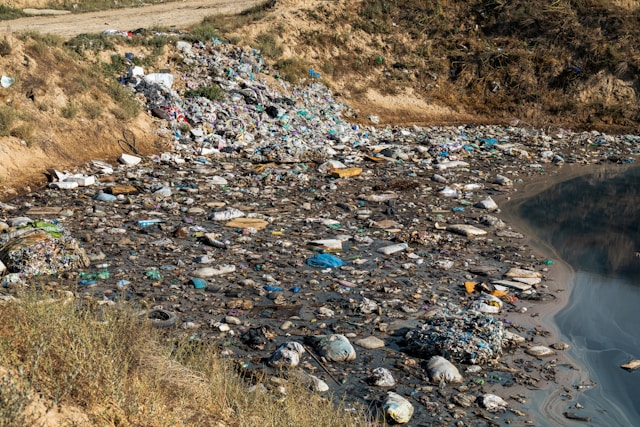
Many people use a wide range of battery-powered products daily, including remote controls, alarm clocks, power tools, digital cameras, and cell phones. Different types of batteries—from alkaline batteries and lithium-ion batteries (Li-ion) to nickel-metal hydride and lead-acid—each require thoughtful disposal. The Scottish Environmental Protection Agency (SEPA) provides guidance on proper battery disposal and storage Improper disposal of batteries allows heavy metals and other hazardous materials to enter landfills or water sources, creating significant risks to both public health and the environment.
Recognizing the Types of Batteries
Various battery types power electronic devices around the home:
• Alkaline Batteries (including zinc-carbon): Often used in household batteries for remote controls, toys, and flashlights.
• Lithium-Ion Batteries: Common in power tools, mobile phones, laptops, and some electric vehicles. Li-ion batteries have high energy density but can be dangerous if mishandled.
• Nickel-Metal Hydride (NiMH) and Nickel Cadmium (NiCd): Rechargeable packs frequently found in digital cameras, cordless phones, and older devices. Nickel cadmium contains toxic cadmium, so it demands special caution.
• Lead-Acid Batteries: Typically found in cars, motorcycles, and certain industrial applications. Lead-acid units are large, contain corrosive acid, and require careful handling.
• Button Cell Batteries: Coin batteries in watches or hearing aids. If swallowed, they pose immediate health threats.
• Single-Use Batteries: Zinc-carbon or lithium metal cells may be classified as “single-use batteries.” They’re convenient but create more waste than rechargeable battery options.
Why Disposal Matters
Improper disposal of batteries can cause fire risks, chemical leaks, and contamination. Heavy metals like cadmium or lead in nickel cadmium or lead-acid cells can pollute groundwater. Lithium batteries (or lithium-ion batteries) might combust if physically damaged or stored at high temperatures. Throwing them into residential trash pickup services or a standard recycle bin leads to potential safety hazards and lost raw materials.

Safe Storage and Preparations
Before dropping off at a recycling center or hazardous waste collection programs, it helps to store batteries properly at home:
• Container Choice: Use a sturdy cardboard box or plastic bin with a snap-tight lid or pre-cut battery opening. A gallon battery container works as well.
• Covering Battery Terminals: Tape battery terminals with electrical tape, especially for lithium-ion or nickel-metal hydride cells, to prevent sparks. Covering battery terminals lowers fire risks during transport.
• Separate Battery Types: Group alkaline batteries (or zinc-carbon types) separately from nickel-metal hydride, lithium-ion batteries, and lead-acid units.
• Keep Cool and Dry: Store batteries out of direct sunlight or high temperatures, and avoid moisture buildup.
Local Collection Events and Programs
Many communities offer special collection events or maintain hazardous waste drop-off sites to help residents safely dispose of batteries and other harmful materials. Local programs may include brush sites, recycling locations, or designated collection days that align with household waste schedules. A quick search on your local government’s website or a searchable database by zip code can help identify where and how to dispose of specific battery types. While some services are free, others may involve a small fee.
• Hazardous Waste Collection Events: These collection days may be scheduled around holidays like Dr. Martin Luther King, Jr. Day – Monday or New Year’s Day – Thursday.
• Brush Sites and Drop-Off Centers: Places such as city-run recycling locations allow single-family customers to bring household batteries, fluorescent lamps, or other hazardous materials.
• Monday Collections or Day – Wednesday Adjustments: Some municipalities tailor pick-up or drop-off schedules by collection zone or day, so verifying times is essential.
Retailer and Manufacturer Programs
A local store might offer in-store recycling bins for rechargeable battery packs. Home Depot often has a dedicated battery recycling bin for Li-ion, nickel-metal hydride, or nickel cadmium cells. Additional options include mail-in programs, in which battery manufacturers provide free or subsidized shipping labels to gather spent cells:
• Mail-In Programs: Place batteries in a sealed cardboard box, tape battery terminals, follow packaging guidelines, and ship them to an approved facility.
• Manufacturer Initiatives: Many battery manufacturers partner with environmental agencies to reduce water usage, limit resource extraction, and reclaim raw materials like cobalt or nickel.
Handling Larger or Uncommon Batteries
• Lead-Acid Vehicle Batteries: Bring these to auto parts stores, which often pay a modest amount or offer a discount on a new battery. These shops recycle lead acid safely while minimizing risks.
• Electric Vehicles: EV battery packs are much larger and require special handling. Owners typically rely on dealerships or licensed recycling facilities.
• Industrial or In-House Design Team Units: Large-scale backup systems in offices or research labs should be transported by professionals aware of all required safety measures.
Keeping Fire Risks Low
Damaged or bulging lithium-ion batteries pose a real hazard. Store such cells away from flammable materials in a fire-resistant container. Faulty button cell batteries or severely corroded nickel-metal hydride units can also spark under certain conditions. By covering or taping terminals, placing them in separate, well-labeled containers, and handling them gently, you help reduce potential hazards during transit.
Convenient Drop-Off Strategies
Rather than mixing batteries with ordinary garbage, gather them until you have enough to justify a trip. Some drop-off location options:
• Public Facilities: City or county recycling centers often list hours of operation online.
• Local Hardware Stores: A battery recycling bin might sit near the entrance.
• Community Events: Neighborhood “clean-up” days or specialized recycling programs draw large crowds and divert thousands of pounds of rechargeable batteries or single-use cells from landfills.
Costs and Fees
Some areas provide free special pickup of TVs or electronics during designated periods, while others charge a small fee. Certain communities require proof of residency; single-family customers might have private household accounts that grant discounted rates or waived fees. Always confirm cost details before arriving at a drop-off location.
Environmental Benefits of Recycling
Recycling recovers raw materials like nickel, lead, and lithium. Mining new metals expends water consumption and energy, which creates pollution. By reintroducing metals into manufacturing streams, battery manufacturers meet rising demand without excessive resource extraction. Additionally, preventing toxic heavy metals from seeping into soil and groundwater protects local ecosystems and drinking water.
Reducing Overall Battery Waste
• Opt for Rechargeables: Replace single-use batteries with nickel-metal hydride or lithium-ion models whenever possible.
• Extend Device Lifespans: Repair items rather than discard them. Keep older smartphones or cordless phones in service as backups or donate them to family members.
• Smart Purchasing: Some battery types last longer than others in high-drain devices. Selecting top-quality cells reduces frequent replacements.
Safe Transport and Disposal
If you’re mailing batteries, wrap them individually in protective materials and place them in a secure box. Always tape battery terminals. Some guidelines suggest adding filler material (like crumpled paper) for extra cushioning. Follow any weight or size limits specified by the mail-in program.

Local Recycling Guidance
Residents can often search by zip code using a local recycling database to find the nearest facility or brush site that accepts household batteries. Many areas schedule regular collection days for hazardous items, which may vary depending on the day of the week. Since holiday schedules can affect availability, it’s a good idea to confirm collection dates in advance. Most programs accept a variety of battery types, including single-use batteries, lithium-ion packs, nickel-metal hydride cells, and lead-acid units—though different battery types may need to be dropped off at separate locations.
Practical Tips for Households
- Collect all used batteries in one sturdy container.
- Place batteries with taped terminals into separate bags or sections for each chemistry.
- Keep track of local schedules for hazardous waste disposal.
- Confirm whether your local store or drop-off center charges a low fee or accepts items free of charge.
- If shipping, use mail-in programs that specify correct packaging and labels.
Positive Outcomes
Disposing of batteries responsibly cuts down on toxic contamination and allows precious metals to be reused. Many counties encourage residents to recycle household batteries through official channels, eliminating guesswork about how to handle them. By choosing rechargeable battery solutions, people reduce the volume of single-use items that end up in landfills. All these measures save energy, preserve water usage, protect local wildlife, and support a healthier environment.
Every act of properly storing, taping terminals, and transporting used batteries to the appropriate location contributes to safer communities and a healthier environment. Battery recycling supports a circular economy by reducing the need to extract new raw materials. When individuals prioritize responsible disposal as part of broader sustainability efforts, even small actions—like a single drop-off—can make a meaningful impact.