Styrofoam waste builds up in our environment because it takes so long to break down, which raises serious environmental concerns.
Made mostly of polystyrene, it sticks around in our landscapes and oceans, making sustainability harder to achieve. Although Styrofoam is popular for packaging and insulation because it is light and keeps things warm or cool, it is important to understand how long it lasts in the environment.
Learning about how Styrofoam decomposes can help us make better choices about how we use and dispose of it.
Understanding Polystyrene Foam: A Common Choice in Packaging
Polystyrene foam, commonly recognized as styrofoam, is an integral part of modern packaging solutions due to its lightweight and insulating properties. Derived from expanded polystyrene, this material is notorious for both its versatility and its long environmental persistence.
Understanding polystyrene’s widespread applications and its inherent chemical nature is critical to comprehending the broader implications of its usage. From safeguarding fragile items during transport to serving as ubiquitous disposable containers, its utility is indisputable.
This section delves into what makes polystyrene foam a preferred material in packaging and its diverse roles in our daily lives.
What is Polystyrene Foam?
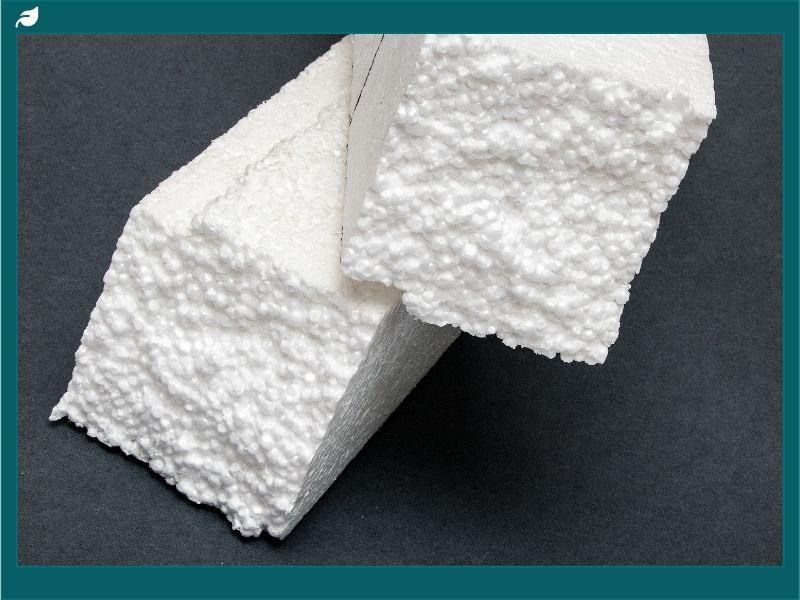
Polystyrene foam is a type of plastic known for its lightweight and excellent insulating properties. It is primarily made from styrene, a liquid hydrocarbon that is processed into a solid through polymerization. Expanded polystyrene (EPS) is created by expanding raw polymer beads and fusing them together, resulting in a lightweight, cellular structure.
This material is widely used in sectors requiring thermal insulation and protection due to its superior cushioning capabilities. Importantly, while EPS is often labeled as styrofoam, a brand name, the two terms have become synonymous in everyday language.
Polystyrene foam is popular because it is cheap to make and can be shaped for many packaging uses. However, its chemical makeup means it does not break down easily, so it stays in landfills for a very long time. The same qualities that make it strong also make it a problem for the environment.
It is important to weigh both the good and bad sides of using polystyrene, especially in packaging and everyday products.
Applications of Polystyrene Foam in Daily Life
Polystyrene foam is used in many industries, not just packaging. In daily life, it makes things more convenient and affordable. You’ll find it in food containers, cups, and plates because it keeps food hot or cold. Its light weight also helps lower shipping costs and emissions, which is good for businesses.
Beyond food service, polystyrene is widely used in the construction industry. It serves as an effective insulator, helping buildings maintain stable indoor temperatures by reducing heat loss or gain. This application has significant energy-saving potential, especially in colder climates.
Moreover, the material’s shock-absorbing qualities make it a staple in the manufacture of protective packaging for electronics, furniture, and industrial equipment. Its ability to absorb impact without compromising the integrity of its contents during shipping is indispensable for the protection of fragile items.
Even though polystyrene foam has many uses, its impact on the environment is a growing concern. Because it does not break down, it builds up in landfills and can harm wildlife and ecosystems. To deal with these problems, we need to balance its benefits with the need for more sustainable options. Knowing how much we use polystyrene helps us look for better, eco-friendly alternatives.

Environmental Impact of Plastic Foam
The environmental impact of plastic foam, particularly polystyrene, is multifaceted and significant. As plastic pollution becomes an increasingly pressing issue, the role of foam waste in contributing to marine debris and landfills is under scrutiny. Challenges in waste management stem from the material’s durability and non-biodegradable nature, leading to long-term environmental repercussions.
Moreover, comparing polystyrene with other packaging materials highlights the complex balance between utility, cost-efficiency, and environmental responsibility. By examining these aspects, the broader implications of polystyrene use are better understood within the context of sustainable development.
Challenges of Plastic Foam Waste Management
Plastic foam waste, predominantly made up of polystyrene, poses significant challenges for waste management systems worldwide. One of the primary issues is its resistance to decomposition. Unlike other materials, foam products like styrofoam persist for centuries, contributing to the expanding volumes of landfill styrofoam waste.
This slow breakdown process not only clogs landfills but also elevates the risk of plastic pollution, as smaller pieces of foam can easily be transported by wind or water, entering marine environments and contributing to marine debris. In oceans, these fragments become microplastics, which are ingested by marine life, posing toxic chemical risks up the food chain.
Recycling polystyrene is hard because it is light and often dirty after use. Most recycling centers do not accept it since it costs more to process than it is worth. As a result, most styrofoam goes to landfills. To solve this, we need better recycling methods and more biodegradable packaging. Finding new ways to manage waste is important for both the environment and industry.
Each of these approaches contributes to a more sustainable and effective waste management system:
- Develop cost-effective methods to recycle contaminated polystyrene efficiently.
- Promote public awareness campaigns on the impacts of foam pollution.
- Encourage the use of biodegradable alternatives in packaging industries.
- Implement regulations that limit the use of polystyrene in consumer products.
- Invest in research for advanced waste processing technologies.
- Support collaboration between governments, industries, and consumers for sustainable solutions.
Comparing Polystyrene with Other Packaging Materials
Comparing polystyrene foam to other packaging materials shows both pros and cons. Polystyrene is popular because it insulates well and is cheap, which helps in food service and packaging. Its light weight also lowers shipping costs and emissions. But unlike biodegradable options like cornstarch packing peanuts, polystyrene stays in the environment for a long time and adds to plastic waste and ocean pollution.
Eco-friendly alternatives to polystyrene often have downsides. They may not protect or insulate as well, and they can be more expensive to make. The real challenge is to create new materials that work as well as polystyrene but do not harm the environment for so long. By looking at both the practical and environmental sides, we can find better options that help both the planet and businesses.
How Long Does Styrofoam Take to Decompose?
The question of how long styrofoam takes to decompose is pivotal in understanding its environmental impact. Styrofoam decomposition is notoriously slow, potentially requiring hundreds of years. This is due to its inherent chemical composition, which resists breakdown even under harsh environmental conditions. Unlike biodegradable materials, styrofoam does not degrade through microbial processes, meaning it can persist in landfills indefinitely. The years styrofoam spends in a landfill contribute greatly to waste accumulation, exacerbating the waste management crisis.
When styrofoam eventually starts to break down, it does so very slowly, fragmenting into smaller pieces rather than decomposing completely. This slow degradation process leads to the generation of microplastics, which pose significant environmental hazards. These microscopic particles often find their way into marine ecosystems, where they become ingested by aquatic life, disrupting the food chain and causing severe ecological damage.
The long-term presence of styrofoam in the environment underscores the urgent need for effective waste management solutions and the development of biodegradable alternatives that can replace foam products in packaging.
Dealing with how long styrofoam takes to break down needs several solutions. Recycling helps, but it is not always possible because of cost and other issues. That is why it is important to create new materials that break down faster but still work well. By learning more about materials like styrofoam, companies can make choices that are better for the environment and do not leave waste behind for centuries.
Is Styrofoam Biodegradable?
Many people wonder if styrofoam is biodegradable, but there are a lot of myths about this. Styrofoam hardly breaks down at all, which is why it causes so much debate. Some people think it can biodegrade, but that is not true. By looking at the real facts, we can better understand how styrofoam affects the environment over time.
Exploring Myths About Styrofoam Biodegradation
There’s a prevailing misconception that styrofoam, being a type of plastic, has some capacity to biodegrade similar to organic materials. This myth often stems from the material’s ubiquity and the misinformation surrounding its long-term environmental impact. Styrofoam is made from polystyrene, a non-biodegradable polymer known for its resistance to microbial breakdown.
Unlike materials that naturally biodegrade over a few years, polystyrene foam remains remarkably stable, taking hundreds of years to decompose. This stability creates misinformation, suggesting that it can break down under certain conditions, which is not the case. The truth is that styrofoam maintains its structural integrity far longer than most natural substances.
Another common myth is that styrofoam can degrade with exposure to certain environmental conditions, like sunlight or water. While UV rays can embrittle the material, causing surface-level cracking over time, this does not equate to biodegradation. Instead, it results in fragmentation, breaking the foam into smaller pieces rather than a biological breakdown.
These fragments, often referred to as microplastics, pose further environmental threats as they spread easily in wind and water, infiltrating ecosystems. Understanding the distinction between physical degradation and true biodegradation is crucial in addressing the misconceptions surrounding styrofoam’s environmental impact and its role in waste management strategies.
Realities of Decomposition Processes
The way styrofoam breaks down shows why it lasts so long and adds to waste problems. Unlike biodegradable materials, styrofoam cannot be broken down by microbes. Because it is made from polystyrene, it takes hundreds of years to even start breaking apart. This is not real biodegradation, since nothing living is turning it into simpler substances.
Instead, styrofoam breaks down through photodegradation, where sunlight slowly makes it crumble into smaller pieces. But this does not mean it disappears; it just creates more microplastics, making waste management harder. This shows why we need better, biodegradable alternatives and improved recycling.
New bioplastics and recycling methods could help reduce the impact of styrofoam on the environment. Knowing how styrofoam really breaks down helps industries make more responsible choices.

Safer Alternatives to Styrofoam and Their Benefits
In light of the enduring environmental challenges posed by polystyrene, the search for safer alternatives in packaging has become more pressing. One promising direction is the use of biodegradable materials, such as cornstarch-based packaging, which decomposes much quicker than traditional. Because polystyrene causes so many environmental problems, finding safer packaging alternatives is more important than ever.
Biodegradable materials like cornstarch-based packaging break down much faster than styrofoam. These options, made from natural resources, help reduce landfill waste and lower the risk of ocean pollution. By choosing biodegradable packaging, the industry can greatly cut down on plastic waste. Furthermore, incorporating recycled content into new products supports a circular economy and showcases a commitment to sustainability.
Comparatively, traditional styrofoam fails to meet these environmental standards, as it is neither easily recyclable nor biodegradable, emphasizing the urgency for innovation in packaging materials.
Switching to safer materials is not just good for the environment; it can also help businesses. Companies that use eco-friendly options often attract more customers who care about sustainability, which can build brand loyalty. As more businesses see how their choices affect the planet, using greener materials becomes both a smart and responsible move. This shift shows a real commitment to protecting the environment and sets a new standard for the industry.
| Alternative Material | Environmental Benefit | Economic Advantage | Industry Application | Sustainability Impact |
| Biodegradable Plastics | Reduced landfill waste | Cost-effective production | Food packaging | Decomposes within months |
| Molded Fiber | Compostable in industrial facilities | Utilizes recycled materials | Electronics shipping | Lowers carbon footprint |
| Cornstarch Packaging | Minimized pollution from production | Uses renewable resources | Agricultural products | Biodegrades in natural environments |
| Recycled Paper | Reduces deforestation | Lower raw material costs | Consumer goods packaging | Promotes recycling culture |
| Mycelium Packaging | Natural decomposition | Scalable production | Furniture shipping | Carbon neutral life cycle |
This table outlines the diverse benefits of different styrofoam alternatives, highlighting their role in promoting a more sustainable and economically viable packaging industry.
Learning about Styrofoam’s impact on the environment shows why we need better alternatives and smarter ways to get rid of it. Even though Styrofoam takes centuries to break down, recycling and new biodegradable materials give us hope. By using less Styrofoam and choosing eco-friendly products, both people and businesses can help the planet. When more companies and consumers make sustainable choices, real change can happen. Every small step, like picking biodegradable packaging or supporting green policies, helps create a cleaner, healthier future.