Industrial managers face a changing world where efficiency defines the success of a shop. Every dollar spent on the floor must return significant value to the business. Keeping costs low is the primary way to survive in a global trade market.
The shift toward sustainable tools is more than a simple trend for the environment. It is a strategic move to cut waste and keep operations running smoothly in a high-speed market. Smart leaders are making changes now to stay ahead of their rivals.
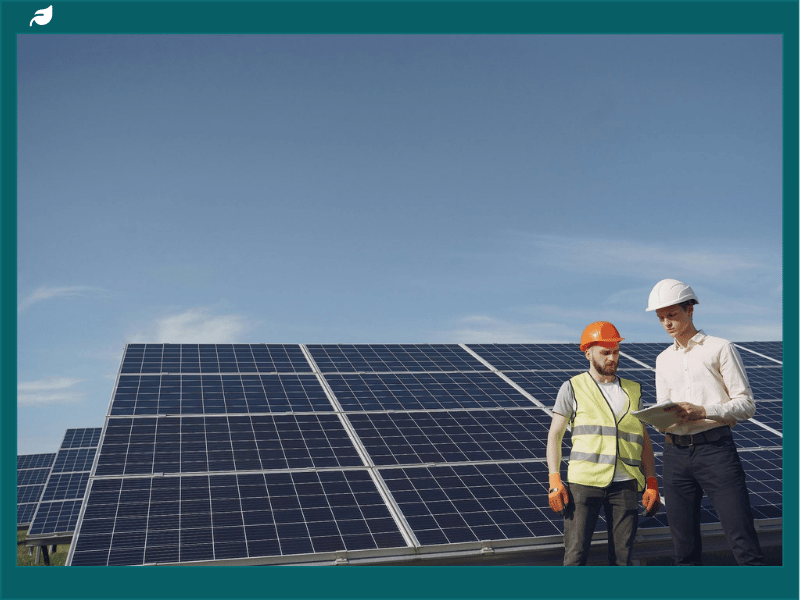
Investing In Sustainable Machinery
Selecting equipment is a major part of any warehouse project. Heavy machines keep the supply chain moving for local and global companies. Having the right tools on hand prevents small delays from stalling the crew.
Older models drain budgets with high fuel costs and repairs. Local teams find that teams, such as Tiger Material Handling material handling experts, help firms pick better gear for a strong return. Modern fleets work harder for longer without the high price of gas.
Balancing the price and performance is a key task. New units offer a way to save cash through lower maintenance and improved battery life. Savings pay off as machines last 10 years.
Lowering Daily Operating Costs
Powering a large fleet of forklifts or pallet jacks is a massive recurring expense for a facility. Managers spend a lot of time looking for ways to shrink monthly utility bills. High energy use can quickly eat into the profits of a busy shipping season.
A business publication mentioned that sustainable firms often enjoy lower operational costs. Companies see benefits from efficient energy use and have a smaller reliance on expensive raw resources.
Cutting down on wasted power keeps the business flexible. Small savings on every shift add up to thousands of dollars by the end of the year for most shops. It is a simple way to improve the bottom line without raising prices for customers.
Maximising Equipment Lifecycle Value
Reliability is the most valuable trait for any piece of industrial gear on the floor. When a machine stops, the entire shipping process comes to a halt, and profits drop. Keeping a fleet in top shape is a daily challenge for maintenance teams.
A trade article shared that predictive maintenance can boost equipment uptime by 20%. The data suggests that repair times can drop by 50% when a team uses smart data systems.
Finding small issues before they become major breaks is a major win for efficiency. This approach keeps the crew working and avoids the high price of emergency service calls or parts.
Following Global Investment Trends
The industrial world is seeing a massive surge in funding for clean technology. Leaders are watching trends to decide where to put their money for the next 5 years. Technology is moving away from fossil fuels toward cleaner and more stable power sources.
A clean energy forecast stated that investments in tech will rise by up to 20%. More firms are choosing to ditch gas engines for electric power to stay ahead of the curve.
A high level of funding makes the equipment cheaper for everyone as production scales up. It creates a market where eco-friendly options are the most logical financial choice for a growing business. Prices continue to drop as more companies adopt green solutions.
Strategic Resource Management
Managing a fleet requires a deep look at every resource used during a working day. Efficiency is a way to squeeze every bit of value out of a single work shift. Managers use data to see where they can save time and energy.
- Electric charging is cheaper than buying fossil fuels every week.
- Regenerative braking systems extend the life of a battery charge.
- Simple designs lead to faster part swaps during regular maintenance.
- Smaller battery footprints allow for more compact warehouse aisles and storage.
Tracking how energy moves through a facility reveals hidden waste that costs money. Using the data helps managers make better decisions about their daily workflow and their staff schedules for the week.
Preparing For Future Standards
Laws regarding emissions and energy use are getting tougher every single month in this sector. Staying ahead of changes is a way to avoid heavy fines or forced upgrades later. It is much cheaper to be proactive than to react to new rules.
Buying sustainable gear now protects the company from future government mandates that could be expensive. It helps a business build a reputation as a leader in a modern and clean economy.
Client expectations are moving toward sustainability for their entire supply chain partners. Offering green logistics can help a company win more contracts and grow its professional network. It is a powerful way to stand out when bidding on new work.
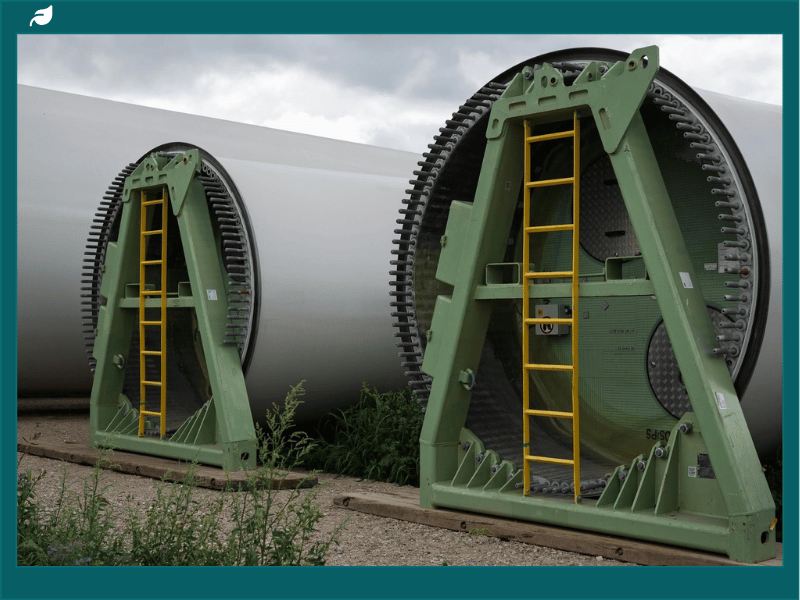
Choosing the right industrial tools is a path to a more stable financial future. Efficiency saves money and builds a stronger brand in a crowded and noisy market.
The economics of green equipment are clear for any smart business leader today. Investing in a sustainable fleet sets the stage for a profitable and smooth tomorrow. Taking steps now secures the future of the company for years to come.