An entrepreneur has shared details of the financial commitment required to appear on BBC’s Dragons’ Den, stating that participation cost her business around £20,000. Danielle Close, founder of skincare brand My Skin Feels, outlined the expenses following her appearance on the programme, where she secured a £50,000 investment from Deborah Meaden and Gary Neville.
The show is often viewed as a low-cost opportunity for exposure, but Close said the reality can be different for early-stage brands. “When you add it all up, going on the show cost us around £20,000.”
Close detailed a range of costs incurred before, during and after filming. These included £3,600 in lost stock during production, £4,000 in additional staffing, and £3,000 per month on PR support in the period surrounding the broadcast.
Other expenses covered preparation and presentation, including £500 for a speech coach and £500 for set build and props. She also spent £250 on clothing, £150 on hair and makeup, and £700 on product allocated for the BBC, the Dragons and on-set use.
Operational readiness ahead of the episode airing added further cost. Close said £500 went towards last-minute website updates, alongside £1,000 for a watch party and £150 for a branded celebration cake.
Despite the outlay, Close said the experience delivered strong returns for the business. “1,000%. It’s the cheapest, biggest marketing activation we will probably ever do – and we’ve learned so much.”
My Skin Feels was founded with a focus on reducing waste in the beauty sector. The company produces vegan skincare using rescued food by-products, addressing a wider industry issue around resource use and disposal.
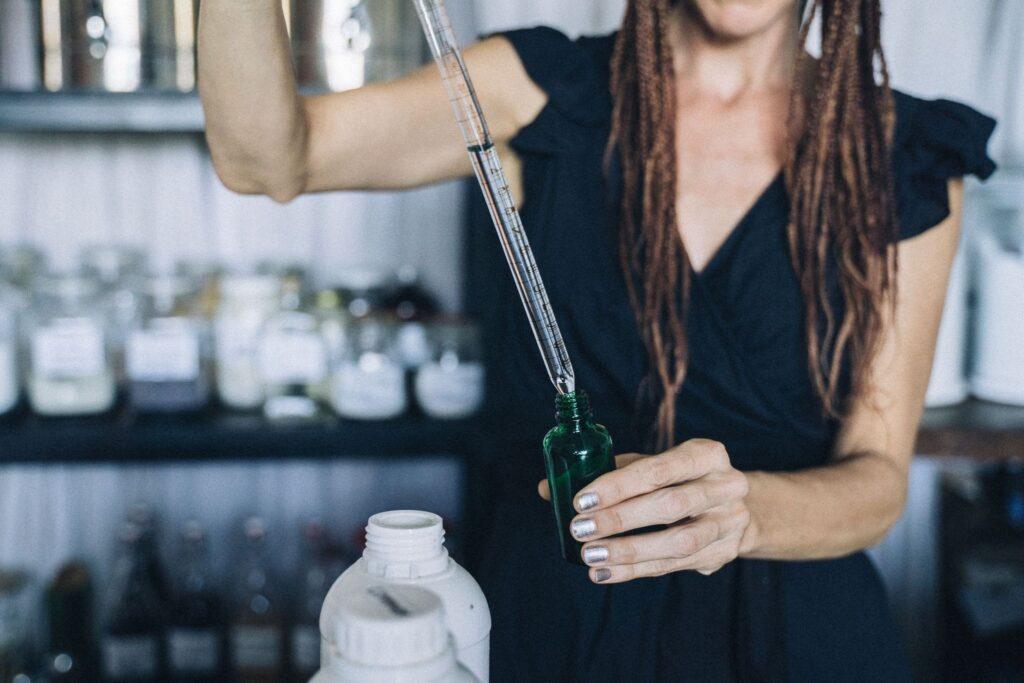
The brand uses a fermentation process to extract amino acids, antioxidants and postbiotics from these materials. This approach is designed to support the skin’s microbiota and improve comfort, particularly for customers with sensitive or reactive skin.
Interest in circular approaches within beauty and personal care has increased in recent years, as companies look to reduce waste streams and improve resource efficiency. The use of by-products from the food industry is one route being explored to align product development with environmental considerations.
Close’s business has seen rapid growth, reporting 250% year-on-year increases. The company has also expanded into international retail, launching in all 15 Credo Beauty stores in the United States and securing early distribution with Whole Foods.
Until recently, the company had been run solely by Close. The Dragons’ Den appearance marked a shift in both the commercial trajectory of the business and its internal structure following external investment.
Reflecting on the experience, Close described the process as positive despite initial nerves. “I loved every second of it,’ she says. “The only really nerve-wracking bit was waiting for the elevator doors to open, but once I stepped out, it felt like a performance.”
The pitch also prompted discussion among the investors about the brand’s positioning. Questions were raised about whether My Skin Feels should be considered a digital-first brand or one focused on physical retail.
This reflects a wider trend in the beauty sector, where brands often operate across both direct-to-consumer channels and traditional retail environments. Close positioned My Skin Feels as a hybrid model, combining community-led growth with expansion into stores.
The visibility provided by television exposure can play a role in accelerating brand recognition, though it often requires operational readiness to manage increased demand. For smaller companies, this can involve upfront investment in staffing, logistics and communications.
Close indicated that the experience served as a catalyst for future growth rather than an endpoint. “I want My Skin Feels to become a household name and a leader in the conscious beauty movement. We want to prove you can build a profitable, long-lasting brand with sustainability at its core.”
Her account offers insight into the financial and operational considerations involved in participating in high-profile media opportunities. While the exposure can be significant, the associated costs highlight the level of preparation required for businesses aiming to scale through such platforms.
The disclosure also contributes to a broader conversation around transparency in entrepreneurship. As more founders share the realities behind business milestones, it provides a clearer picture of the investment and risk involved in scaling consumer brands.
For companies operating within sustainability-focused sectors, balancing growth with responsible practices remains a key consideration. My Skin Feels’ use of food by-products and its positioning within conscious beauty reflects one approach to addressing this balance while expanding into new markets.
Close’s experience illustrates both the opportunities and the demands associated with national exposure. For businesses able to absorb the upfront costs, the potential returns can extend beyond immediate sales to longer-term brand development and market positioning.