Modern manufacturing factories face heavy pressure to cut down on consumption. Every gallon saved helps regional ecosystems and lowers monthly utility bills. Industrial facilities must adapt to changing resource limits to maintain high production rates. Proactive planning shields operations from future regulatory constraints.
Finding practical ways to recycle precious resources protects nearby communities. Smart industrial operations change how they handle runoff and supply needs. Strategic updates protect business operations from severe resource shortages. Sustainable management preserves local ecosystems for future generations.

Designing Modern Drainage Channels
Industrial floor drainage requires careful planning during facility setup. Heavy loads and constant liquid flow demand durable construction materials. Choosing the right layout prevents liquid accumulation on busy factory floors. Proper slope design keeps fluids moving toward collection points.
Safe industrial operations rely on reliable channel layouts to remove liquids quickly. Installing a reliable system, such as a DuraTrench system or a similar one, provides heavy-duty protection against floor flooding. This setup keeps workers safe and prevents liquid contamination. Sturdy grates withstand heavy forklift traffic daily.
Proper daily maintenance keeps these channels clear throughout the year. Production teams should inspect the lines weekly to avoid blockages. Regular debris removal preserves steady flow rates. Clean floors reduce workplace accidents significantly.
Identifying Main Industrial Water Uses
Large manufacturing centers require vast liquid supplies for daily operations. Heating systems and facility sanitation consume significant volumes. Heavy machinery requires constant thermal regulation to prevent costly overheating. Understanding these demands helps companies map their fluid footprints.
A recent government manual shows that factories utilize major supplies for cooling, steam generation, and housekeeping. These areas represent excellent targets for conservation efforts. Facility managers track these points to locate waste. Target metrics guide future infrastructure upgrades.
Implementing digital smart meters helps teams measure exact usage in every department. Data collection highlights which machinery uses the most resources. Fixing minor leaks drops operating costs. Regular audits find hidden leaks behind walls.
Combating Drought Risks Locally
Severe dry weather patterns create massive challenges for production schedules. Limited municipal supplies can force plants to restrict daily operations. Companies need independent solutions to maintain production targets. Regional water scarcity demands swift corporate action.
An official environmental protection guide notes that recycling programs offer a reliable supply to lessen drought impacts. Having an independent supply keeps production lines moving during shortages. This strategy insulates the plant from external shortages. Reliable reserves prevent costly factory shutdowns.
Local civic communities benefit when major factories reduce their strain on public utilities. Shared resources remain stable for nearby residents. Sustainable practices build strong civic partnerships. Clean manufacturing boosts regional goodwill immensely.
Treating Facility Wastewater On Site
Sending untreated dirty liquid into municipal sewers costs substantial money in fees. Many plants install filtration machinery to process liquid right on the factory floor. Cleaned fluid cycles back into production loops. This approach cuts waste drastically.
Primary wastewater treatment steps separate large solids using gravity basins. Smaller particles settle out before the fluid moves to secondary filtration. Regular testing confirms the output meets cleanliness metrics. Automated systems track purity levels continuously.
Advanced physical filtration options remove tiny contaminants and chemicals. Investing in treatment equipment saves $5000 or more over multiple years. Lower utility bills offset the initial hardware costs. Plant managers praise these long-term savings.
Reusing Process Water for Secondary Tasks
Not every factory job requires high drinking-quality water. Rinsing heavy equipment or cooling machinery utilizes recycled supplies. Matching fluid quality to specific tasks optimizes resource distribution. This method prevents clean water depletion.
Here are 3 standard options for recycled fluids:
- Cooling towers utilize recycled liquid to regulate machine temperatures.
- Floor washing operations consume treated runoff instead of fresh supplies.
- Irrigation systems keep facility grounds green without drawing from clean drinking reserves.
Dividing the physical piping infrastructure separates drinkable water from recycled fluid. Clear labeling prevents cross-contamination in the facility. Team training guides workers on proper handling rules. Safe separation avoids accidental mixing completely.
Smart Monitoring Technology for Real Time Savings
Digital automated sensors track fluid movement through every pipe section. Sudden pressure drops signal hidden leaks behind factory walls. Early detection prevents major structural damage and resource loss. Maintenance teams respond before failures occur.
Automated safety valves shut off flow when systems detect unusual patterns. This automation protects expensive production equipment from water damage. Maintenance crews receive instant alerts on mobile devices. Fast responses minimize operational downtime.
Reviewing weekly data reports reveals long-term usage trends. Managers adjust scheduling to run water-heavy processes during off-peak hours. Continuous optimization lowers overall operating budgets. Data-driven choices improve plant efficiency.
Employee Training and Conservation Culture
Hardware upgrades only solve part of the conservation puzzle. Human habits dictate how much fluid goes to waste each shift. Teaching workers to report small leaks builds a proactive workplace culture. Engaged teams drive sustainable progress.
Quarterly training workshops refresh staff knowledge on recycling protocols. Team members share practical ideas to save resources on the line. Small adjustments add up to massive utility savings. Continuous education keeps conservation simple.
Departmental reward programs incentivize departments that meet reduction goals. Friendly competition keeps conservation top of mind for everyone. Success stories inspire other shifts to improve their metrics. Recognized efforts boost plant morale.
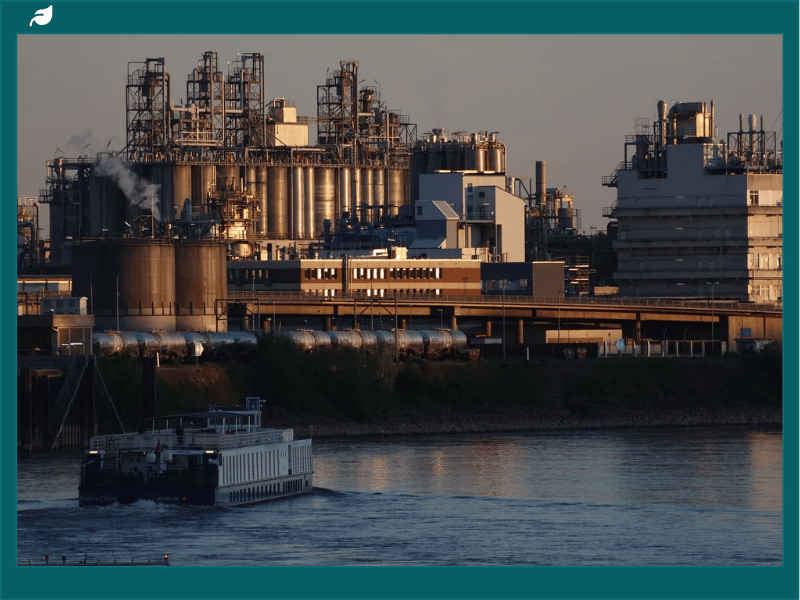
Transitioning to sustainable conservation practices helps modern manufacturing plants thrive. Protecting regional supplies creates long-term stability for businesses and residents alike. Every operational improvement strengthens the local supply chain. Cooperative models preserve valuable natural resources.
Small strategic changes in daily operations yield impressive environmental dividends. Smarter choices today safeguard critical resources for future manufacturing needs. Forward-thinking plants lead the way in resource protection. Committing to conservation secures long-term industrial success.