By: Dr. Fatima Driouech

Standfirst:
Dr. Fatima Driouech, Associate Professor at University Mohammed VI Polytechnic and co-chair of the WMO Standing Committee on Climate Services, explores how Africa is turning water scarcity into opportunity. She highlights Morocco’s pioneering strategies, innovative technologies, and community-driven solutions that are building resilient water systems for the future.
The Urgency of Water Resilience
Water scarcity is one of the defining challenges of the 21st century. Globally, more than two billion people still lack access to safely managed drinking water, and about half of the world’s population is estimated to experience severe water scarcity for at least a part of the year due to climatic and non-climatic factors. Projections suggest that by 2030, demand could outstrip supply by 40%. Climate change, and unsustainable consumption patterns are accelerating this crisis, reshaping communities, economies, and ecosystems.
Future changes will heighten risks that affect many different industries and services that depend on water and even traditionally water-secure nations are increasingly vulnerable. For example, the UK’s Environment Agency has warned of a nationally significant shortfall, estimating that England could face a daily deficit of five billion litres by 2055. This looming gap threatens not only domestic supply but also agriculture, industry, and energy production. Yet within this challenge lies a powerful opportunity. With innovation, strategic foresight, and international collaboration, water scarcity can be transformed into resilience.
Case of Morocco: Turning Crisis into Opportunity
The country is facing its seventh consecutive year of drought, with groundwater reserves under severe strain and dam inflows at historic lows. Per capita water availability has dropped dramatically over the past decades and is expected to fall below 500 cubic metres by 2030, a threshold the United Nations defines as extreme water stress. In response, Morocco has launched a multi-billion-dollar programme to secure drinking water and irrigation through 2027, as part of a broader national water plan extending to 2050. This strategy integrates infrastructure development, policy reform, and technological innovation to balance supply and demand across sectors. Alongside the high level of awareness about projected climate change and its impacts on water resources, these actions illustrate how a nation can turn crisis into opportunity.
Technology as a Game-Changer
Technology plays a central role in Morocco’s approach. Seawater desalination has been scaled up significantly, with new plants under construction in Casablanca and Agadir. These facilities are designed to provide reliable drinking water to coastal populations where freshwater sources are increasingly scarce. Wastewater treatment and reuse are also gaining traction, particularly in agriculture and industry, where treated effluent is being repurposed to reduce pressure on conventional sources.
A recent example is the SUS-Hydra project, led by UM6P’s ReBuild program team in Douar Talat Maghran, Tahnaout. The initiative is revitalising the local wastewater infrastructure to improve sanitation for 1,500 residents, while also enabling sustainable agriculture by providing treated water for irrigation.
In farming, smart irrigation systems powered by sensors, satellite data, and predictive analytics are helping growers apply water precisely when and where it is needed, reducing waste and improving yields. These innovations form a multi-layered strategy that addresses both immediate shortages and long-term climate risks.
Africa’s Broader Lessons
Morocco’s progress reflects a broader trend across Africa, where nations are combining both high-technology and community-driven solutions. In South Africa, rainwater harvesting is being adopted at scale, supported by a national programme led by the Department of Water and Sanitation. Rooftop collection systems, underground storage tanks, and filtration units are being installed in schools, clinics, and homes, particularly in rural areas where municipal supply is unreliable. These systems not only improve water availability but also enhance hygiene and reduce costs.
This example highlight the successful integration of traditional practices with modern technology, demonstrating how communities can enhance their resilience to water scarcity and climate variability.
Building Resilient Water Systems
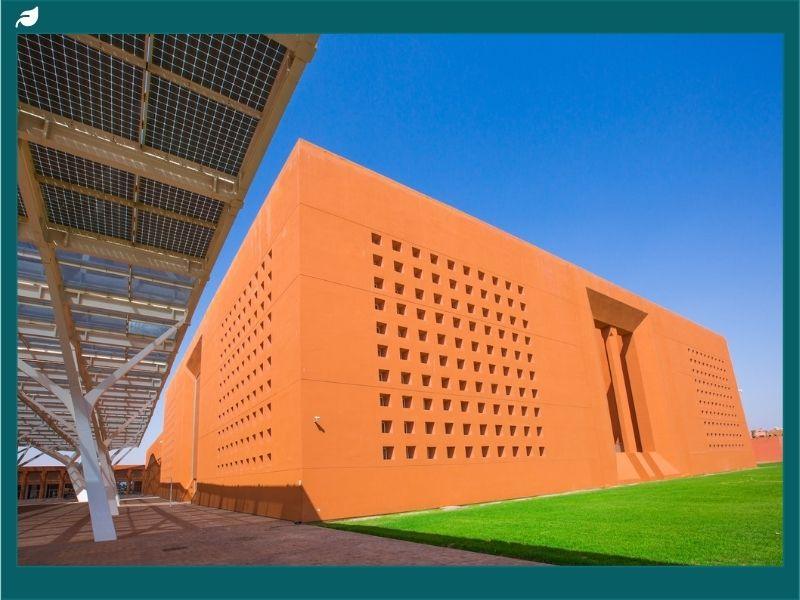
Resilience, however, requires more than infrastructure. It demands foresight, adaptability, and inclusive governance. Morocco’s Integrated Water Resources Management framework exemplifies this holistic approach. By aligning policy reform with technological innovation and stakeholder engagement, the country is building systems capable of withstanding the most challenging conditions. Real-time monitoring, remote sensing, modelling and predictive analytics allow water managers to allocate resources more effectively, anticipate shortages, and respond proactively when crises emerge.
Global Implications: Water Resilience Beyond Borders
Water scarcity extends beyond environmental concerns; it is a global economic and public health imperative. Reduced water availability directly affects agricultural output, disrupting food security and driving up global prices. Industries dependent on water face operational risks that can undermine supply chains, and the impacts ripple across borders. The COVID-19 pandemic revealed the fragility of global systems, and water scarcity presents a comparable systemic threat. Strengthening water resilience is therefore not only a national priority but a collective global responsibility.
Scarcity as a Driver of Innovation
Water scarcity should not be seen solely as a limitation. It can serve as a powerful driver of creativity, collaboration, and systemic change. Morocco’s strategies illustrate how effective plans and management (new reservoirs, desalination schemes, and recycling projects) can turn scarcity into opportunity, and efficient water use can also advance wider sustainability goals. Optimising irrigation reduces both water loss and the energy demands of pumping and treatment, while wastewater reuse decreases pollution and creates new resources for industry and agriculture. These co-benefits reinforce water’s central role in climate action and sustainable development.
Looking Towards the Future
Looking ahead, addressing global water scarcity will require bold, integrated strategies that bring together technology, governance, and community engagement. Proactive efforts, in Morocco, Africa and worldwide, demonstrate that resilience is achievable when nations commit to forward-looking policies and sustained innovation. As pressures intensify, collaboration across borders will become increasingly vital, with knowledge-sharing and international partnerships driving progress.
Water scarcity represents an opportunity to rethink how societies value and manage this vital resource. By fostering water related research and innovation, investing in adaptive infrastructure, increasing cooperation, and cultivating a culture of shared responsibility, the world can transform vulnerability into strength. The future of water is not only about survival but about building resilient systems that safeguard communities, economies, and ecosystems for generations to come.