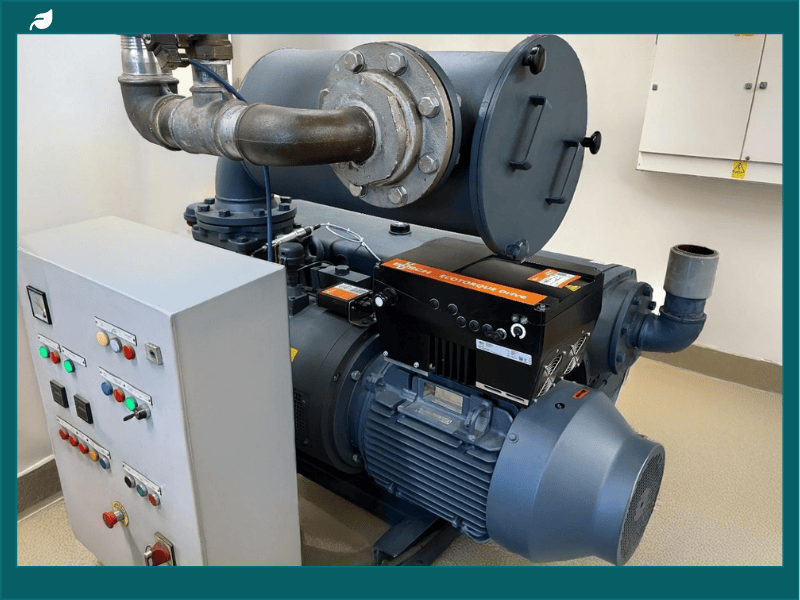
Managing industrial fluid systems demands a massive amount of electricity every single day. Aging hardware often drops in performance, creating significant waste across the production line. Plant managers frequently overlook inefficiencies until utility bills spike.
Upgrading to modern components provides an immediate boost to operational efficiency. New setups reduce the workload on pumps and motors, shrinking monthly expenditures. Investing in updated technology keeps facilities competitive.

Optimizing Flow Control Systems
Industrial facilities face constant pressure to lower their monthly utility bills. Selecting the right machinery from suppliers like https://www.nwflowtech.com/ helps facilities lower operational expenses by optimizing liquid movement. Modern designs prevent common issues like friction losses and internal leaks.
Older systems waste power through outdated mechanics. Replacing these parts delivers several direct benefits to the entire facility:
- Lower heat generation during 24-hour production runs.
- Reduced mechanical wear on internal rubber seals.
- Fewer emergency maintenance interventions that halt production.
Facility managers notice a swift drop in daily power demands. Positive structural changes stabilize the entire network, keeping production on schedule. Saving just $1 on power metrics can add up to thousands over a single fiscal year.
Upgrading Actuators And Reducing Valve Losses
Heavy valves create massive friction as liquids pass through narrow openings. An article in a sustainability publication revealed that electro-hydraulic actuators achieve up to 54% lower energy consumption compared to traditional systems.
Eliminating complex valve networks removes the main source of fluid resistance. The direct connection lowers energy losses, which is a massive benefit for heavy industrial applications. High friction forces vanish when fluid paths remain clear and unobstructed.
Better responsiveness means the machinery reacts instantly to pressure shifts. Operations run more smoothly with fewer sudden spikes in power draws. Facilities protect their hardware while maintaining high output levels during peak operational shifts every day.
Harnessing Smart Pump Technology
Traditional pumps operate at a fixed speed regardless of actual demand. A study published by an academic journal showed that adjusting fan and pump loads effectively cuts cooling power consumption. The method improves dynamic response and system control stability.
Smart controllers match the equipment speed to real-time process needs. The setup prevents the machinery from running at peak capacity when a lower flow rate suffices. Older systems lack the adaptive ability, spinning at maximum velocity for hours on end.
Lowering pump speed even slightly yields exponential savings on the electric bill. It eliminates the need for manual bypass loops that bleed off excess pressure. Facilities reduce wear, extending the lifespan of expensive machinery by 3 or 4 years without extra costs.
Utilizing Advanced Recovery Components
Pressure drops in traditional systems usually represent lost power. Research from an energy innovation platform indicated that replacing throttling valves with ejectors recovers expansion work. A simple swap increases net power output by 10.44 to 15.25%.
The same data highlighted an increase in exergy efficiency by 4.69 to 5.88 percentage points. Capturing the leftover force turns waste into usable motion. Systems operate with greater balance without demanding extra electricity from the local power grid.
Modern systems reuse energy instead of letting it dissipate as heat. Implementing upgrades protects hardware longevity and the company budget. Companies save thousands of dollars annually by recapturing lost physical forces from old lines.
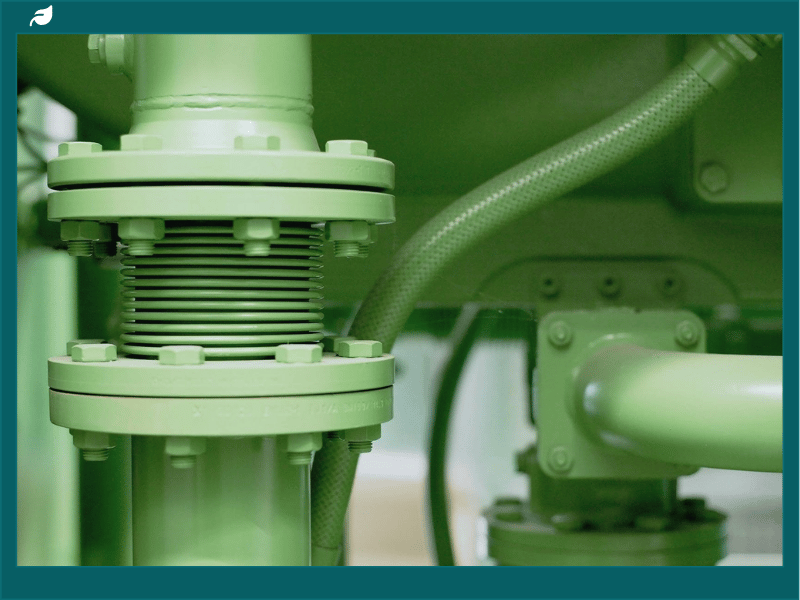
Investing in new fluid machinery pays off rapidly through reduced monthly utility bills. Modern hardware minimizes friction, curbs power waste, and stabilizes daily manufacturing workflows. Teams spend less time fixing old pipes and more time optimizing output.
Upgrading outdated setups protects your company budget from rising electricity costs. Simple hardware adjustments secure long-term operational success without sacrificing production volume. Taking action now stabilizes future utility expenses.