With the UK’s ambitious targets for carbon neutrality by 2050, solar panels are increasingly seen as a viable investment for both individual households and businesses. Despite the country’s reputation for cloudy weather, advancements in photovoltaic technology mean solar panels are more efficient and cost-effective than ever before.
This makes them an appealing choice for those looking to reduce energy bills and environmental impact. As government incentives and falling costs further entice potential adopters, understanding the financial and environmental benefits of solar panels is crucial for anyone considering this renewable energy solution.
The Benefits of Solar Panels in the UK
Solar panels offer significant advantages for UK households, both financially and environmentally. By harnessing solar energy, homeowners can reduce their energy bills and lessen their carbon footprint.
This section looks at how solar panels start saving you money by slashing energy bills immediately and contributing to environmental conservation. We also examine why solar electricity represents a worthwhile investment for your home and the planet, detailing how installing solar panels can earn you cash and reduce carbon emissions by one tonne annually.
How Solar Panels Reduce Energy Bills
Solar panels are transforming the way UK households manage their energy consumption by offering substantial savings on energy bills. As sunlight is converted into solar electricity, these panels provide a renewable source of energy that reduces dependence on traditional power grids.
The integration of solar panels allows households to cut costs by generating their own solar energy, effectively decreasing electricity expenses. When solar panels are installed, they start delivering savings almost immediately by offsetting the need to purchase energy from the grid.
As the UK gradually adopts renewable energy sources, the initial cost of solar panels is often mitigated by government incentives, making solar panels a worthwhile investment for those looking to save money on energy bills.
The savings generated by solar panels extend beyond reducing energy bills. Once installed, solar panels will save you money every year by generating free electricity from sunlight.
This means households can look forward to significant savings on their energy bills annually. In some regions, surplus energy can be sold back to the grid, allowing homeowners to save money and earn cash.
This dual approach makes solar panels an attractive financial option for eco-friendly homeowners. The consistent rise in electricity costs further confirms the benefits of solar energy as a way to achieve energy independence and financial security.
In a country where sunlight is sometimes limited, there’s understandable skepticism about the efficiency of solar panels. Advancements in solar technology have improved the performance of solar panels, enabling them to harness even low levels of sunlight to produce electricity.
This means that, despite the UK’s less-than-ideal weather conditions, solar panels still offer considerable savings and electricity generation. For those keen on reducing their energy bills, the ability of solar panels to function efficiently in diverse weather conditions makes them a preferable choice in sustainable energy solutions.
Solar panels can also increase the value of properties. Homes equipped with solar panels are often more attractive to prospective buyers who value sustainability and cost-efficiency.
The prospect of reduced energy bills and additional income from selling excess solar electricity makes these properties more desirable in the real estate market. Solar panels lessen current electricity expenses and boost the long-term valuation of the property, ensuring that the investment yields dividends beyond immediate savings.
Solar energy represents a practical shift in energy consumption in the UK, driven by technological innovation and financial prudence.
Environmental Impact of Installing Solar Panels
The installation of solar panels has a profound environmental impact, significantly contributing to the reduction of harmful carbon emissions. By switching to solar energy, homeowners actively participate in an eco-friendly initiative aimed at decreasing reliance on fossil fuels.
Solar panels are a sustainable energy solution that produces electricity without emitting greenhouse gases, making them a crucial component in tackling climate change. On average, a solar panel system can reduce carbon emissions by one tonne per year, which shows the importance of solar panels in achieving greenhouse gas reduction targets in the UK.
Solar panels also play a key role in conserving the environment by minimizing air pollution. Traditional electricity generation methods often involve burning fossil fuels, which release pollutants known to harm both air quality and public health.
The shift to solar electricity reduces these adverse effects, as solar panels convert sunlight into electricity without emitting toxic substances. The wider adoption of solar panels contributes to a reduction in collective carbon footprints and to the improvement of air quality in urban areas.
The UK government’s support for renewable energy is vital in amplifying the environmental benefits of solar panels. Various governmental schemes incentivize the installation of solar panels, reflecting a national commitment to solar energy as a long-term, sustainable solution.
Such policies have accelerated the adoption of solar panels, enabling more households to benefit from their environmental advantages. By facilitating the transition to renewable energy, these initiatives align with the broader agenda of mitigating climate risks and building a sustainable future for upcoming generations.
Solar panels also help conserve natural resources. By decreasing the demand for fossil fuels, solar panels preserve these limited resources, ensuring they remain available for essential applications where alternatives are currently impractical.
This conservation effort is essential to maintaining the biodiversity and ecological balance that underpin the health of our planet. The environmental benefits of solar energy reach beyond its immediate utility to individual homeowners, affecting broader ecological systems positively.
Installing solar panels offers an opportunity to contribute to a sustainable environment while reaping the economic benefits of reduced energy costs and cleaner air.
Understanding the Cost of Solar Panel Installation
Investing in solar panels in the UK involves upfront costs, but these can be mitigated by various incentives ensuring long-term savings. This section breaks down the factors influencing solar panel costs, such as system size and installation specifics, and evaluates whether you can save money with solar panels. By understanding these components, homeowners can make informed decisions and determine if solar energy is worth the investment.
Factors Affecting Solar Panel Costs
The cost of solar panel installation can be influenced by several key factors, which include the system size, type of panels, and the complexity of the installation. A larger system size will generally increase the overall cost as more panels need to be acquired and fitted.
There is an important balance to find, as a system that is too small may not generate enough electricity to meet the homeowner’s energy needs. Typically, solar panels are generally sold in terms of watts, and the size of the system is measured by the total wattage of the installed panels.
The size of the roof, the orientation, and the amount of sunlight the roof receives will all influence the optimal system size and cost.
Another factor is the choice between different types of panels, such as standard monocrystalline or polycrystalline panels. Although monocrystalline panels are more efficient and compact, they usually come with a higher price tag.
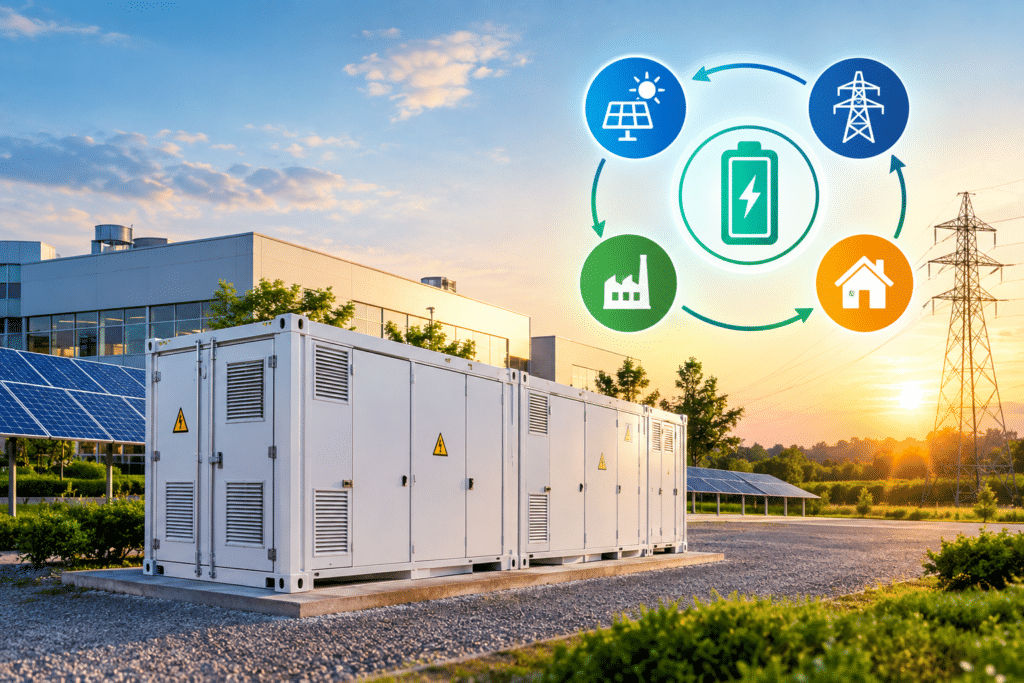
The decision also includes consideration about additional components, such as battery storage solutions, which are essential if a homeowner wants to store excess solar electricity for use when the sun isn’t shining. These batteries can increase the initial investment significantly, but they offer a practical way to save money in the long run by maximizing the use of generated electricity instead of exporting it to the grid.
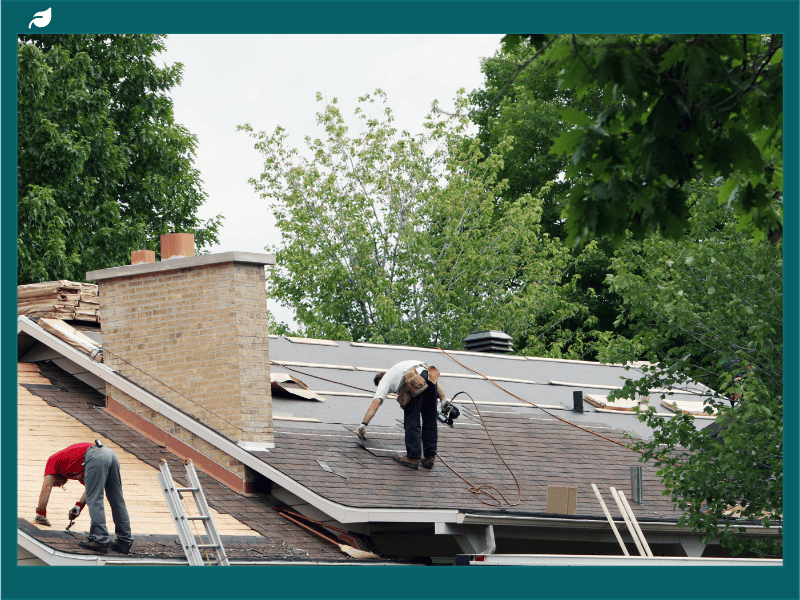
The installation cost can vary greatly depending on the complexity of fitting the panels. Roofs that are hard to access or require additional reinforcement to support the weight of the panels will increase the cost of labor and materials.
Contractors might charge higher rates for installing on tiled roofs as opposed to flat roofs. Geographic location within the UK can also affect cost due to variations in local labor rates and regional incentives or tariffs.
Urban areas might see slightly higher prices due to the premium on space and other logistical challenges.
Governments offer incentives like the Smart Export Guarantee (SEG), a scheme that pays homeowners for the surplus energy they provide to the grid, making the financial aspect of solar panels more appealing. These incentives can reduce the effective cost over time and increase savings. As more companies enter the solar market and technology advances, prices for solar panels continue to decrease, making them an increasingly accessible and worthwhile investment.
Can You Save Money with Solar Panels?
For UK homeowners contemplating the switch to solar energy, a crucial consideration is whether the savings on electricity bills outweigh the initial investment in solar panels. The potential to save money is significant, primarily due to the reduction in reliance on traditional electricity sources and the financial incentives available.
Solar panels will save you money by reducing the need to purchase electricity from the grid, thereby shrinking electricity expenses. Once installed, they start generating electricity, which can power household appliances, significantly lowering overall energy consumption from the grid.
One of the major ways solar panels contribute to savings is through the reduction of electricity bills. Solar energy allows homeowners to generate their own electricity during peak sunlight hours.
Any surplus electricity can be returned to the grid, where schemes like the SEG offer payments to homeowners for the electricity exported, effectively creating a passive income stream. This option offers savings and a means to earn cash, increasing the financial attractiveness of solar investments.
As electricity prices have been on a consistent upward trend, generating one’s own electricity provides protection against future price hikes. Over the years, the savings can add up significantly, with some estimates indicating that a typical UK household can recover the initial solar investment in less than a decade, depending on system size, location, and available sun exposure. While initial costs might seem high, government incentives and reduced VAT rates on energy-saving goods create an environment where solar electricity becomes a financially viable and increasingly popular choice.
Considering the environmental benefits and the financial savings, solar panels can prove to be a smart choice for many UK households. They help in reducing carbon footprints, aligning with global sustainability goals, and they represent long-term savings and an increase in property value.
Homes with solar installations are perceived as modern and eco-friendly, often attracting prospective buyers willing to pay a premium for sustainable living options. The decision to install solar panels is supported by the promise of financial savings, environmental stewardship, and the improvement of personal and global environmental health.
Choosing the Right Solar Panels
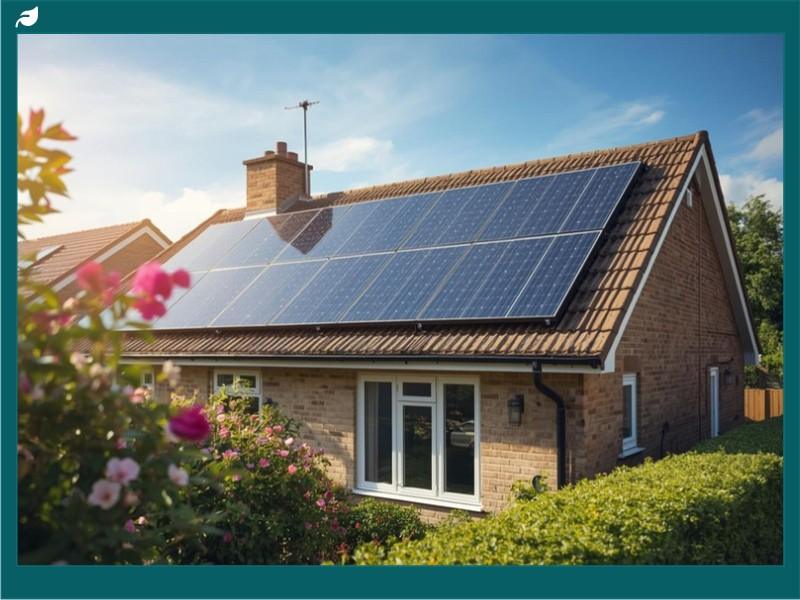
Selecting the right solar panels for your needs is an important decision for UK homeowners looking to reap the benefits of solar energy. Understanding the types of solar panels available and where to install them for maximum efficiency can significantly affect their effectiveness and overall savings on energy bills. This section covers the various types of solar panels offered in the market, and examines key considerations for installing these systems to optimize electricity generation and cost savings.
Types of Solar Panels Available
When choosing solar panels, homeowners in the UK are presented with a variety of options, each with distinct specifications and efficiencies. The primary types include monocrystalline, polycrystalline, and thin-film solar panels.
Monocrystalline panels are well regarded for their high efficiency and compact design, making them a popular choice for those with limited roof space. These panels are crafted from single silicon crystals, which allows for greater efficiency in converting sunlight to electricity, an essential feature in Britain’s often cloudy climate.
When opting for monocrystalline panels, the upfront cost might be higher, but the long-term savings derived from higher efficiency levels often justify the initial expenditure.
Polycrystalline panels are another common option, typically less efficient than their monocrystalline counterparts but more affordable. They are manufactured from multiple silicon fragments melted together, which results in a slightly lower efficiency rate.
For homeowners with ample roof space who want to maximize their electricity production without a premium cost, polycrystalline panels represent a cost-effective solution. The decision to choose between monocrystalline and polycrystalline often depends on balancing budget constraints against desired electricity yield and roof space.
For those seeking alternative solutions, thin-film solar panels present a different approach. Unlike crystalline silicon panels, thin-film options are created by depositing solar cells onto a substrate like glass, plastic, or metal.
This method allows for flexibility and lighter panels. Thin-film panels do not match the same level of efficiency as crystalline options, especially under conditions of low sunlight, but their versatility and lower cost make them worth considering for unconventional applications like solar canopies or integrated building applications.
The choice of solar panels directly affects the total efficiency and return on investment for a solar energy system. Adding features like solar batteries can improve the effectiveness of these panels by storing electricity generated for use during less sunny periods. Understanding these options ensures that homeowners can select the right technology, tailored to their specific location and energy needs, optimizing both cost savings and electricity production even in variable British sunlight conditions.
To further examine the benefits and challenges of these solar panel types, consider the following factors when making your decision:
- Efficiency levels and how they match your energy needs.
- Initial costs versus long-term savings potential.
- Amount of available roof space for optimal installation.
- Climate considerations, focusing on performance in cloudy conditions.
- Installation complexity and associated costs.
- Warranty terms and product lifespan.
- Integration with existing solar systems or smart technology.
Carefully weighing these factors will guide you to the most suitable solar panel choice for your home.
Where to Install Solar Panels for Maximum Efficiency
Determining the optimal location for installing solar panels is critical to maximizing their efficiency and the resulting electricity generation. In the UK, solar panels are commonly installed on rooftops, but careful consideration of orientation, tilt angle, and shading is necessary.
South-facing roofs are typically ideal because they receive the most sunlight throughout the day, which directly correlates to higher electricity production. The tilt angle of the roof also matters; a gradient that matches the latitude of the location generally yields the best results, though many UK rooftops with a slight pitch will still effectively capture sufficient solar energy.
Shading presents a considerable challenge in optimizing solar panel efficiency. Objects like trees, chimneys, or neighboring structures can cast shadows on the panels, directly affecting their ability to generate electricity.
Even partial shading can cause significant drops in efficiency. Conducting a thorough shading analysis before installation can identify potential obstacles and allow for strategic panel placement.
In cases where shading is unavoidable, microinverters or power optimizers can reduce efficiency loss by managing the output of each panel individually, rather than as a string array.
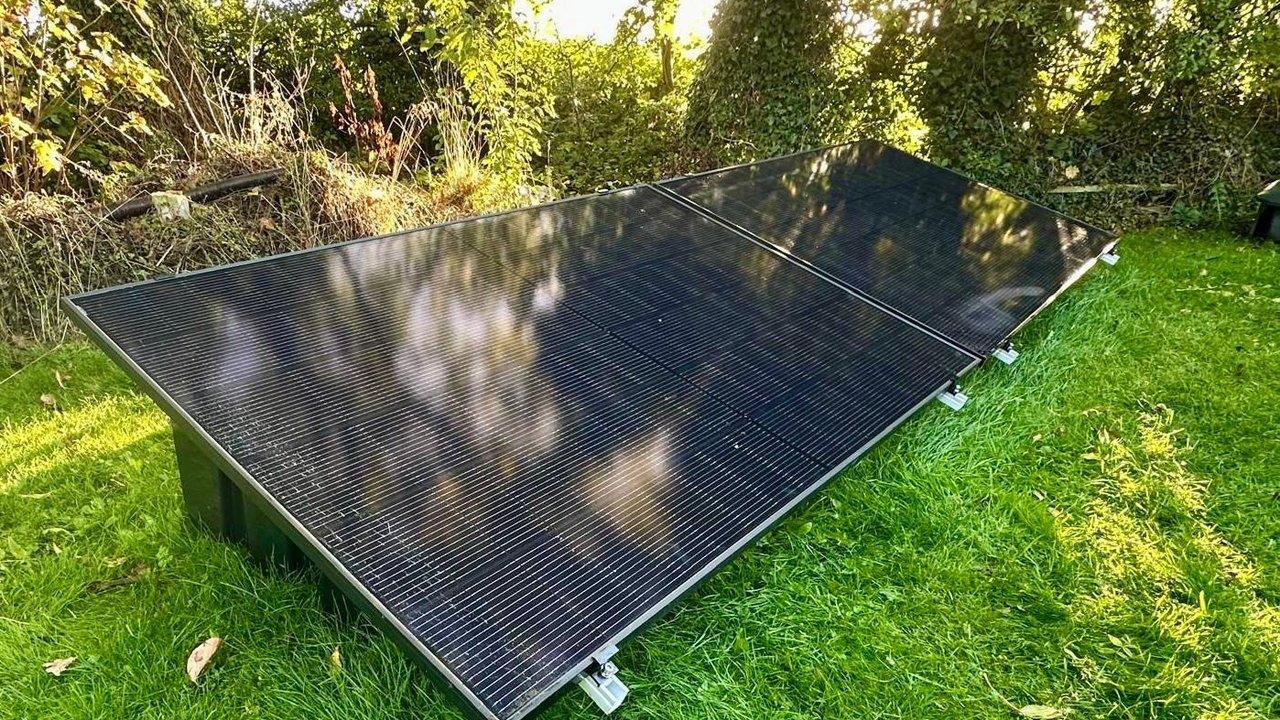
Aside from rooftops, alternative installations like ground-mounted solar panels offer flexibility, especially in rural areas with more available land. These systems can be positioned to optimize sunlight exposure and allow for easy maintenance.
The initial installation cost may be higher due to the need for supportive structures. Solar carports and canopies are practical solutions that provide dual functionality, offering shade or cover while generating electricity.
These installations are gaining popularity in public and commercial spaces where roof space may be limited.
Local weather conditions are also worth considering. While the UK isn’t known for its sun-drenched climate, technological advancements have made solar panels more resilient to cloudy weather.
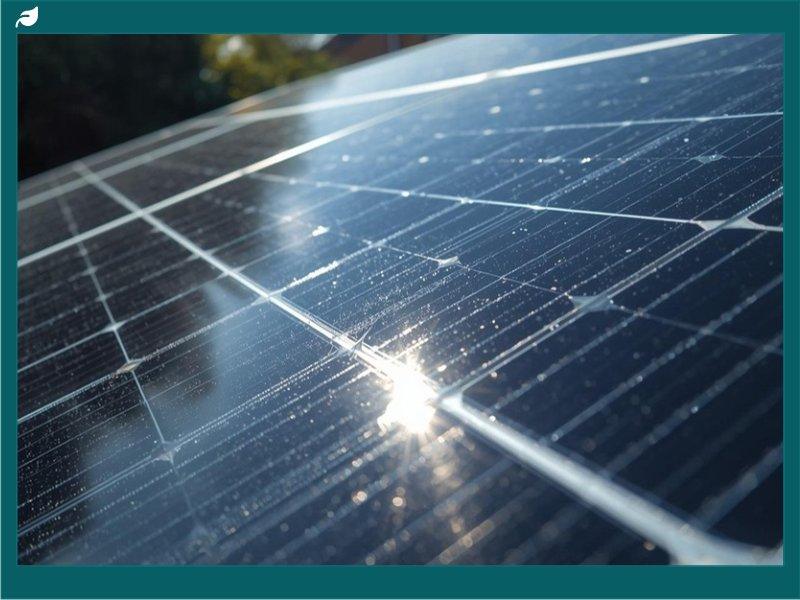
Several systems can operate efficiently even under diffuse sunlight, which is important given the UK’s variable climate conditions. Regular maintenance and cleaning are recommended to keep the panels free from dust and debris, which can reduce their efficiency.
With thoughtful planning and implementation, UK homeowners can effectively harness solar power, making significant strides toward reducing energy bills and contributing to sustainable energy usage.
Long-term Considerations of Solar Panel Ownership
The long-term considerations of solar panel ownership in the UK point to sustained economic and environmental benefits. Understanding the maintenance and durability of solar panels confirms their longevity, providing continuous savings and income potential.
Various incentives offered by the UK government can reduce initial costs and boost financial returns for adopters. These include schemes like the Smart Export Guarantee, which allow households to earn from surplus energy exported back to the grid, ensuring solar energy systems remain a sound investment.
Examining these factors shows how solar panels can maintain financial and ecological value over years.
Maintenance and Durability of Solar Panels
Solar panels are generally known for their robust durability and low maintenance requirements, making them a viable long-term option for homeowners in the UK. The technology used to manufacture solar panels has advanced significantly, resulting in devices that withstand various weather conditions, rain, snow, wind, and even hail.
High-quality panels can endure these elements for decades, with most manufacturers offering warranties that last between 20 to 25 years. These warranties often guarantee that solar panels will retain at least 80% of their original efficiency at the end of the warranty period, confirming their longevity and the cost savings that they deliver over time.
Routine maintenance for solar panels is fairly straightforward. It typically includes ensuring that the panels are clean and free from debris like leaves, dust, or snow, which can obscure sunlight and reduce system efficiency.
In most cases, natural rain in the UK suffices to keep panels clean, but occasional manual cleaning may be necessary to maintain optimal performance. Electrical components like inverters may require examination or replacement after about 10 years as part of regular maintenance.
This periodic upkeep is essential to ensure that solar panels continue to produce power efficiently, and despite these minor interventions, the costs remain minimal compared to the financial and environmental returns gained.
Cold weather, common in the UK, benefits solar energy systems, as panels operate more efficiently in cooler temperatures than they do in hot climates. Modern solar panels are designed with engineered frames that can support a significant load, making them resistant to potential impacts from snow accumulation. This level of durability ensures continued electricity generation even during winter months with limited sunlight, providing consistent energy independence and financial savings.
Installation quality also plays a crucial role in the long-term durability of solar panels. A professional installation ensures wiring is secure and connections are insulated against weather exposure, preventing potential electrical faults.
As part of safeguarding durability, asking installers about certifications and ensuring compliance with UK safety standards is highly recommended. These measures ensure that solar panels function efficiently and reliably for their entire lifespan, making them a sound addition to any property aiming to harness sustainable energy while maximizing financial returns and environmental responsibility.
Incentives for Solar Panel Installation in the UK
The UK government has implemented several incentives to encourage the adoption of solar panels, acknowledging their role in combating climate change and supporting renewable energy targets. The Smart Export Guarantee (SEG) is a key initiative that compensates homeowners for exporting surplus solar electricity back to the grid.
This helps balance the grid and offers a tangible financial reward for solar panel owners, making it an attractive option for those seeking both environmental and economic benefits. By selling excess energy, homeowners effectively turn their solar panels into a source of revenue.
Another significant incentive is the zero VAT rate applied to energy-saving materials, including solar panels. This legislative measure significantly reduces the upfront cost of installation, making the transition to solar energy more accessible to a broader audience.
Reducing VAT also signals the government’s commitment to promoting sustainable practices and removing barriers for homeowners interested in reducing their carbon footprint. The reduced initial cost helps users realize financial gains earlier, improving the overall viability of solar investments in the UK.
Some local councils offer grants or rebates specifically designed to support renewable energy efforts within their jurisdictions. These localized incentives, when coupled with national schemes, further reduce the financial barriers associated with solar panel installations. By encouraging residents to adopt solar technologies, municipalities contribute to broader sustainability goals, while also driving local economic growth in related sectors such as renewable technology providers and solar panel installation firms.
Property value increases when equipped with solar panels, reflecting their appeal to eco-conscious buyers who wish to benefit from lower energy costs and reduced environmental impact. Sustainable homes attract higher market values, rewarding homeowners who invest in solar panels with immediate energy savings and significant returns when selling their property. Whether influenced by immediate savings, tax reductions, or potential earnings from surplus energy, the various incentives available make the adoption of solar panels a strategically sound decision, supporting both individual financial health and national environmental policies for years to come.
For those considering sustainable energy options, UK solar panels present a compelling opportunity. While initial costs are a consideration, they are outweighed by long-term savings on energy bills and a significant reduction in carbon footprint.
Advances in technology and government incentives further improve their affordability and attractiveness. Homeowners who prioritize green living and energy independence will find solar panels align with their goals and investments towards a sustainable future.
As technology improves and prices decrease, these installations are becoming more accessible, proving to be a forward-thinking decision that benefits both homeowners and the environment.
Looking for a solar installer?
Compare MCS-certified solar panel installers across the UK in our directory, with ratings, reviews and free quotes, listed by county.
Related solar guides: