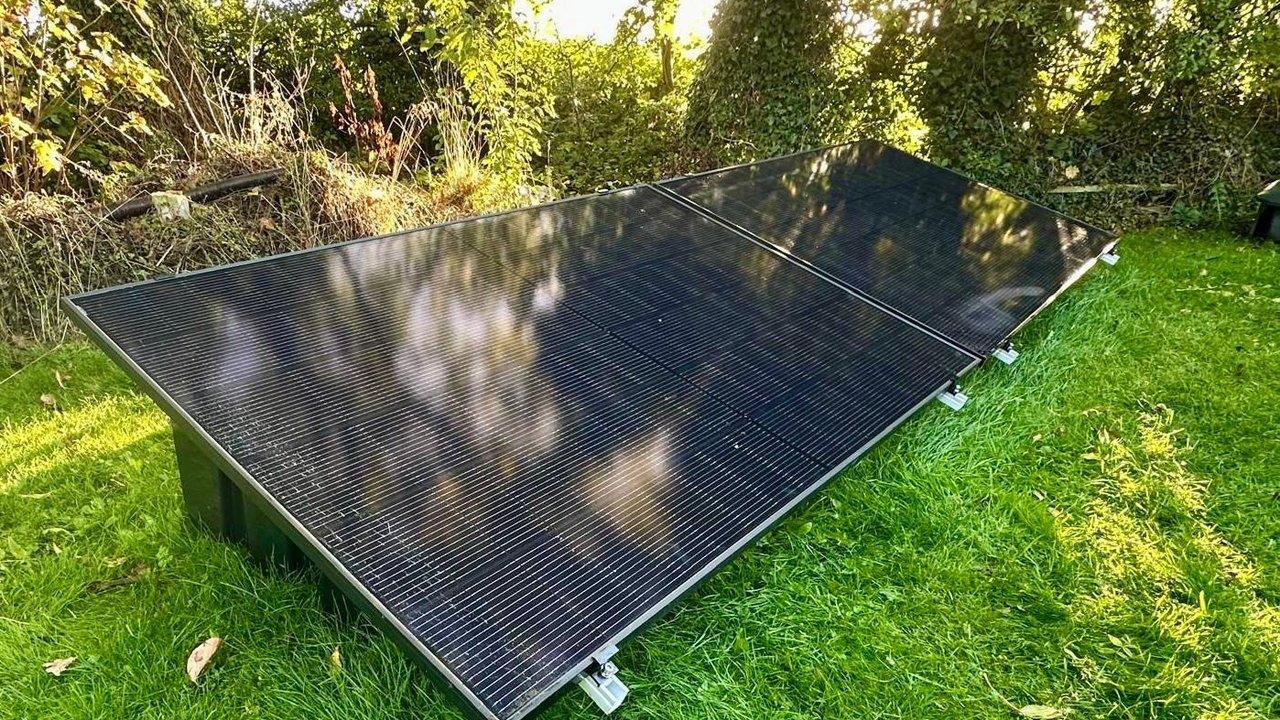
Octopus Energy has restocked its plug-in solar kits for a second time in under four weeks after its first 500 units sold out within a fortnight. The development follows the UK Government’s approval of plug-in solar at the end of August, opening a lower-barrier route into solar generation for renters, flat-dwellers and households without access to a private roof. Octopus says its bundles start at £450 for one panel and £650 for two, while an estimated £150 in annual electricity-bill savings is available for a household using a two-panel system. Demand has arrived as the Ofgem energy price cap rose by 4% from 1 October to 31 December 2026.
A New Route Into Solar
Plug-in solar kits can be installed by customers without an electrician or professional installation, according to Octopus. Once set up, the panels can begin supplying power to household appliances including televisions, washing machines and laptops.
The model broadens access to small-scale solar for people who may not be able to install a conventional rooftop array. Renters and residents of flats can take the equipment with them when they move, while unused electricity can be exported to the grid through Octopus’s Outgoing export tariff.
The estimated £150 annual saving applies to households using a two-panel plug-in solar system. Octopus notes that actual savings will vary with sunlight levels and household energy consumption.
Demand Follows Legal Change
The pace of sales offers an early indication of public interest following the regulatory change. Octopus says thousands of households have sought its kits since plug-in solar received the green light, with units now reaching customers’ doorsteps.
Its two-panel bundle has proved especially popular. The company reports that 89% of customers have chosen the larger configuration, increasing the amount of electricity they can generate for use at home or export.
Rebecca Dibb-Simkin, Chief Customer Officer at Octopus, said:
“Plug-in solar is a cracking example of how smart, simple tech can help households knock a bit off their energy bills. We’ve been blown away by how quickly people have taken to it. It’s flown off the shelves and we’ve had to restock, but fear not – there’s more on the way.”
Lower Cost Household Generation
Traditional home solar can require roof ownership, professional installation and a larger up-front investment. Plug-in products offer a more compact proposition, with mounting equipment and the components needed for self-installation included in Octopus’s bundles.
The timing is notable for households facing higher electricity costs. The price cap increase announced by the UK energy regulator applies for the final quarter of 2026, adding pressure to domestic budgets during the continuing cost-of-living crisis.
For customers able to use generation when it is produced, the systems offer a practical way to reduce electricity bought from the grid. Export capability also gives surplus generation an additional route to value, subject to the relevant tariff arrangements.
Battery Plans Take Shape
Octopus is preparing a wider plug-in technology offer alongside its solar kits. The company expects its Octopus Nook Cube battery to launch in the first quarter of next year.
A battery could allow households to store electricity for later use, complementing the daytime generation available from plug-in panels. Octopus has not provided further details of the product’s specifications or pricing in its announcement.
As the only major energy supplier currently selling plug-in solar, Octopus is positioning the kits as an accessible addition to its customer energy offering. More information is available through the company’s plug-in solar page.
Small Scale Solar Gains Momentum
The quick sell-out illustrates how changes to product rules can translate into immediate consumer uptake when the technology is simple to buy and install. For households unable to pursue conventional rooftop solar, plug-in equipment may create a more flexible entry point to on-site generation.
Octopus’s repeated restocking also points to a market opportunity in lower-cost, portable solar products. With most buyers selecting a two-panel system and the company planning a compatible battery offer, the early response suggests that customers are seeking practical ways to manage electricity costs while participating in the shift towards cleaner power.
Looking for a solar installer?
Compare MCS-certified solar panel installers across the UK in our directory, with ratings, reviews and free quotes, listed by county.
Related solar guides: