Octopus Energy has paid almost £100 million to UK households for surplus solar electricity exported to the grid over the past year, as high summer temperatures coincide with rising interest in rooftop generation. The company paid £99.2 million to 405,233 export tariff customers between 1 August 2025 and 31 July 2026, averaging just over £244 per household. More than 400,000 homes are now on Octopus export tariffs, collectively feeding 825 GWh of solar power into the electricity system in 12 months. Solar enquiries through Octopus reached almost 74,000 during May, June and July, a 34% increase on the same months a year earlier.
Solar Exports Generate Household Income
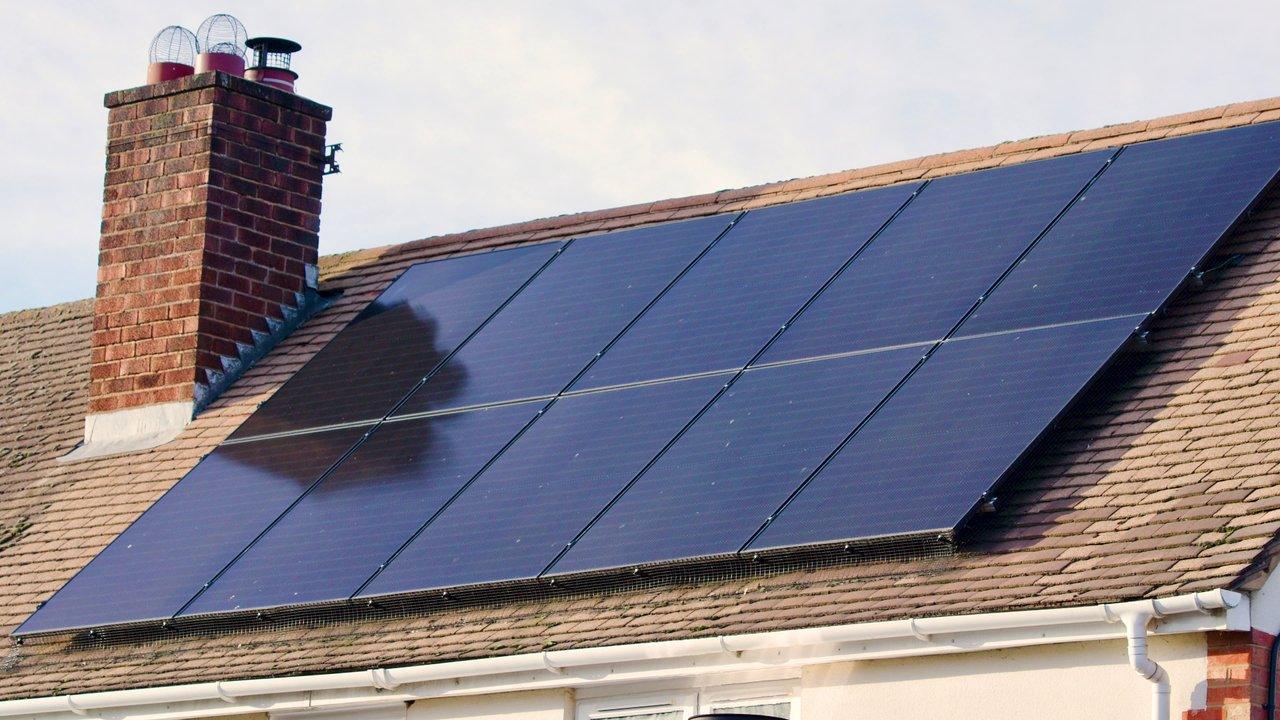
The payments point to the increasingly active role households can play in Britain’s electricity system. Customers with solar panels can use their own generation at home and export spare power when production exceeds demand, receiving payments through export tariffs.
Octopus reported that the 825 GWh exported by its customers in the past 12 months was equivalent to the annual output of a medium-sized gas plant. The figure reflects the collective contribution of distributed generation, where power is produced across homes rather than solely at centralised stations.
Summer sunshine has helped make solar production particularly visible. The company’s latest figures arrive during the UK’s fifth heatwave of the year, with temperatures forecast to reach 38°C on the day of the announcement. For households already equipped with panels, periods of strong generation can create both bill-saving and export-income opportunities.
Heatwave Interest Lifts Enquiries
Demand for installations has risen alongside the warmer weather. Nearly 74,000 people contacted Octopus about solar during May, June and July, representing a 34% year-on-year rise. The busiest periods tracked closely with peak temperatures, with enquiries on 26 June, the hottest day of the year so far, 50% higher than the monthly average.
The figures suggest that consumers are connecting the immediate experience of hotter weather with the practical value of generating electricity at home. Rooftop solar can lower the amount of electricity purchased from the grid while creating an exportable surplus at times of high production.
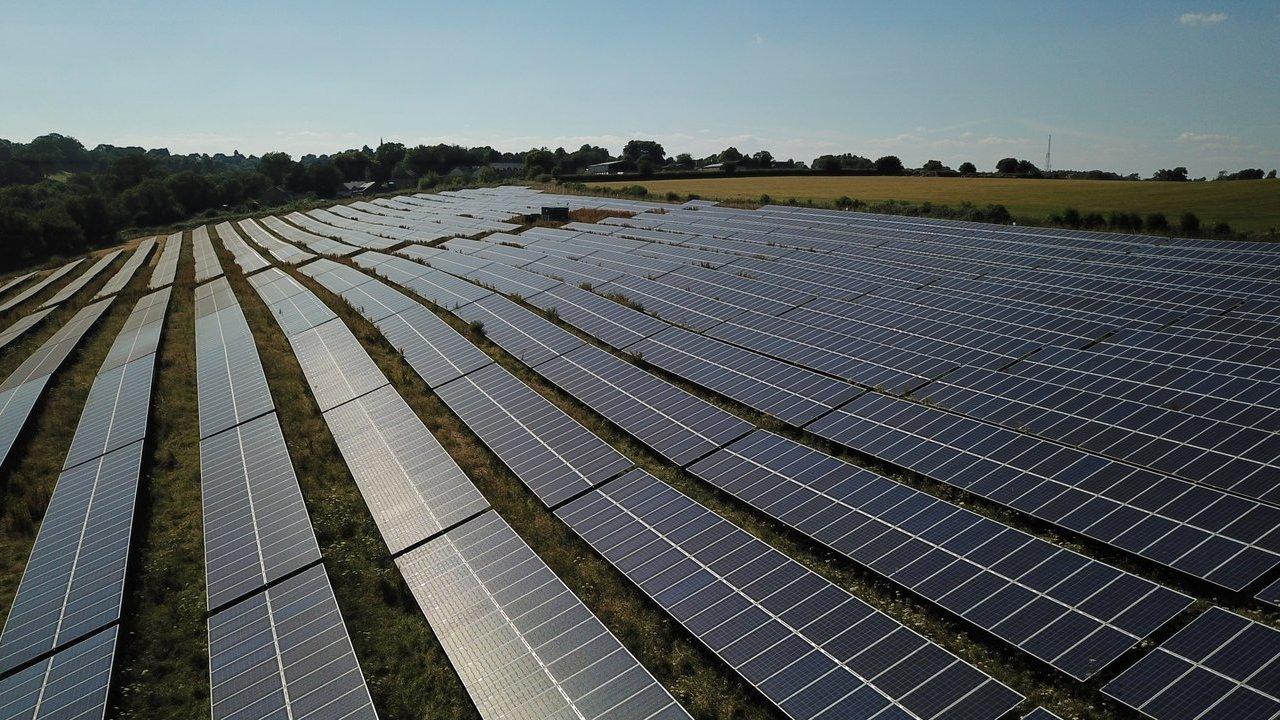
Britain’s wider solar output has also reached a new level. According to the National Energy System Operator’s Great Britain’s Monthly Energy Stats, rooftop and ground-mounted solar generated a record 14.4% of the country’s electricity demand this year.
Batteries Expand Consumer Choice
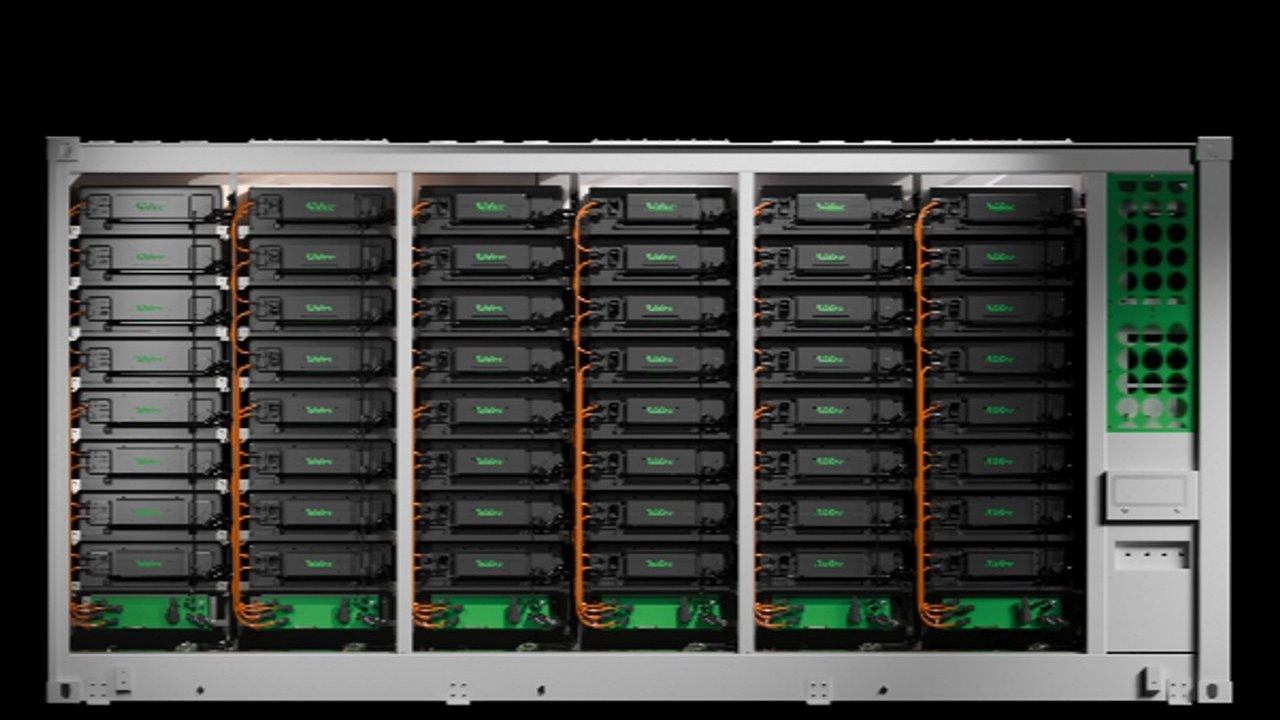
Household battery uptake is rising at an even faster rate in Octopus’s installation data. Battery-only installations increased 630% year on year across May, June and July, as households look to retain low-cost electricity for later use or export surplus power when wholesale prices are higher.
Batteries can give solar households more control over when locally generated energy is used. They can also allow homes without panels to store electricity bought at lower-cost periods, depending on their tariff and consumption patterns. The pace of reported growth signals a strong consumer response to technologies that make electricity use more flexible.
As more homes combine generation, storage and smart tariffs, the relationship between households and the grid is becoming more two-way. Export tariffs offer a clear financial route for customers whose systems generate more electricity than they consume at a given time.
A More Secure Energy System
Octopus’s customer base now represents a sizeable source of small-scale renewable generation, with over 400,000 households participating through its export tariffs. The company sees local clean power as part of a more resilient national energy mix, reducing dependence on fossil fuel generation while rewarding households that contribute electricity.
Rebecca Dibb-Simkin, Chief Product and Marketing Officer at Octopus, said:
“Over 400,000 UK households on Octopus tariffs are already generating their own clean energy, and that number just keeps climbing.
“The more we make use of our homegrown green energy sources, the less we rely on fossil fuels, and the more secure our energy system becomes.”
For the UK energy sector, the latest data offers a timely indication of how consumer-owned solar and storage are becoming a meaningful part of the electricity mix. The £99.2 million paid through Octopus export tariffs demonstrates that the benefits of renewable generation can extend directly to participating households, while the 825 GWh sent back to the grid supports cleaner electricity supply for the wider system.
Looking for a solar installer?
Compare MCS-certified solar panel installers across the UK in our directory, with ratings, reviews and free quotes, listed by county.
Related solar guides: