With the UK’s commitment to renewable energy, understanding the cost-effectiveness of solar panels is more crucial than ever. Homeowners and businesses alike are considering solar energy as a viable way to minimize energy bills and reduce carbon footprints.
However, the upfront investment can seem daunting. Evaluating the long-term benefits, government incentives, and overall value proposition is essential for making an informed decision.
This exploration provides insights into the financial and environmental impacts, aiding UK residents in determining whether solar panel installation is a worthwhile investment for their specific needs and circumstances, and whether it can help save money over the long term.
The Cost of Solar Panels in the UK
Exploring the cost of solar panels in the UK involves considering various factors, from initial investment to long-term savings. The initial panel cost, along with installation costs, lays the foundation of understanding the overall expenditure.
Several aspects such as geographic location, roof specifications, and the choice of solar panel system influence these costs. Knowledge about labor, equipment, and potential additional expenses is crucial for evaluating the financial feasibility of solar panel installation.
This detailed examination informs homeowners about the cost per kWh and typical costs, guiding them in making informed decisions about investing in solar technology and helping them save on energy bills for years to come.
Understanding Panel Cost and Installation Costs
Understanding the financial implications of solar panel installation in the UK starts with dissecting panel cost and installation cost components. These costs vary based on several factors, influencing the total investment required for a solar panel system.
The panel cost forms the cornerstone of this investment, typically costs ranging between £1,500 to £8,000 depending on the size of the system. This variation is largely due to the cost per kWh, which can fluctuate based on the efficiency and type of solar panels selected.
Popular types include monocrystalline, polycrystalline, and thin-film, each offering distinct cost-benefit profiles that influence the overall panel cost. These solar panels are built around photovoltaic cells, and the quality of those cells directly affects how many kWh of solar electricity the system can produce each year.
Installation cost adds another significant dimension to the financial picture of solar investment. On average, a household solar panel installation cost can span £5,000 to £10,000.
These installation costs encompass labor, necessary permits, and any required modifications to accommodate the panel system. Labor alone typically represents a substantial portion of the installation costs, potentially reaching up to 30% of the total expenditure.
Understanding this cost breakdown is vital as it affects the overall budget planning.
A thorough cost guide for solar panel systems in the UK also includes considerations for installation specifics. Costs can increase for roof installations requiring additional work, such as reinforcement for older roofs or alterations for optimal panel placement.
While these costs are variable, investing in a detailed cost guide helps homeowners predict potential costs more accurately, thereby planning their finances effectively. This guide should offer insights into various installation scenarios and typical spending for diverse roof types or sizes, further refining cost expectations for years ahead.
Potential export tariffs in the UK can offset some of the initial costs. The Smart Export Guarantee (SEG) allows homeowners to receive payments for surplus energy returned to the grid, providing economic value beyond simple energy savings.
Effective utilization of SEG contributes to reducing the cost per kWh experienced by the homeowner, improving the financial appeal of solar panels. Understanding these dynamics is crucial for homeowners looking to leverage both cost and sustainability benefits of installing solar panel systems, and to save on energy bills over many years.
Factors Influencing Installation Costs
Several factors influence the installation costs of solar panels in the UK. First, geographic location plays a key role in determining these costs.
Solar panel installation in urban areas can often incur higher expenses compared to rural regions due to labor and logistical considerations. For instance, panels cost in metropolitan areas like London may rise due to higher labor charges and more stringent regulatory requirements compared to more distant locales.
Another critical factor is roof specifications. The condition, size, and orientation of a roof can significantly affect installation costs.
For example, roofs requiring extensive structural modifications or those that present challenging angles for solar pv installation often demand additional expenses. Flat roofs typically cost more to retrofit due to the need for mounting systems that adjust angles to maximize sunlight exposure.
The type of roofing material also affects cost, with slate or tile roofs requiring specialized mounting solutions compared to standard asphalt, contributing to higher labor and material costs.
The specific solar panel system selected ultimately influences installation costs. Sophisticated systems, incorporating more advanced technology or larger arrays, naturally demand greater investment.
Larger, more efficient panel systems might require significant outlays initially but offer greater savings in electricity costs in the long run, allowing households to save significantly on energy bills over many years. Installation costs could also include additional installation expenses if supplementary equipment, such as inverters or battery storage, is necessary.
These components increase both complexity and expenses, particularly if integration with existing electrical systems demands further labor.
Economic incentives, like government grants or subsidies, can mitigate installation costs. In the UK, homeowners might benefit from various schemes that provide financial relief for adopting renewable energy solutions.
Engaging with these incentives requires prospective solar adopters to navigate available programs carefully, understanding eligibility and the specific benefits offered. The potential reduction in out-of-pocket expenses through such incentives can be significant, lowering the effective cost per kWh and making solar panels more financially feasible for years of operation.
Ongoing advancements in solar technology and installation practices continually evolve, influencing cost structures over time. The trend towards cheaper yet more efficient panels, alongside simplified installation processes, suggests a potential downward pressure on future costs. Staying aware of such industry developments is crucial for homeowners considering solar installation, as timing their investment could align them with better costs and technology solutions.
Effective utilization of SEG contributes to reducing the cost per kWh experienced by the homeowner, improving the financial appeal of solar panels. Understanding these dynamics is crucial for homeowners looking to leverage both cost and sustainability benefits of installing solar panel systems.
Cost Breakdown: Solar Investment Components
Investing in solar panels requires a detailed understanding of the cost breakdown involving various solar investment components. The process begins with equipment and panel cost variations, depending on quality and efficiency.
The installation cost significantly impacts the overall expenditure, as labor and additional installation expenses add complexity. By examining these core components, potential solar adopters can better navigate the financial picture, ensuring that they make informed decisions that align with their budget while maximizing the long-term benefits of solar investments and the ability to save on energy bills for years to come.
Equipment and Panel Cost Variation
The cost of equipment and panels forms a significant portion of the solar investment, and this cost varies considerably based on the type and quality of materials chosen. Solar panel costs are influenced by their type, whether monocrystalline, polycrystalline, or thin-film, each presenting unique price points and efficiency levels.
Monocrystalline panels, known for their higher efficiency, tend to cost more due to the manufacturing processes involved, as they are crafted from a single crystal structure using high-grade silicon cells. These panels occupy less roof space to generate equivalent solar electricity compared to their polycrystalline counterparts, which can be more economical yet slightly less efficient.
Thin-film panels offer the advantage of flexibility and are often used in unconventional applications but at the expense of efficiency, typically reserved for larger roof installations due to their extensive space requirements.
The integration of advanced technologies within panel systems, such as bifacial panels that capture sunlight from both sides, can further influence panel cost. These systems promise improved electricity generation of many kWh per day but might involve higher upfront costs, requiring a careful analysis of cost-benefit dynamics in terms of energy generation versus expense.
The inclusion of additional equipment like inverters and monitoring systems also plays a role in the overall expenditure. High-efficiency inverters are crucial for transforming DC electricity produced by panels into usable AC form for home use or grid export, and their cost can vary with sophistication and brand reliability.
The fluctuating market prices for raw materials, particularly silicon which constitutes the core of most panel systems and their cells, also contribute to cost variations. As technological advancements lead to more efficient production processes, some cost reductions have been observed.
However, market demand, geopolitical considerations, and supply chain dynamics frequently impact the cost picture. Homeowners must consider these factors, possibly engaging with cost guides and market analyses, to optimize the timing of their investment for better economic returns over many years.
Consulting with multiple suppliers and contractors to compare panel cost quotations can be beneficial, as it allows for an informed decision regarding equipment budget allocation. Given the rapid advancements in solar technology, potential buyers should stay informed about industry trends.
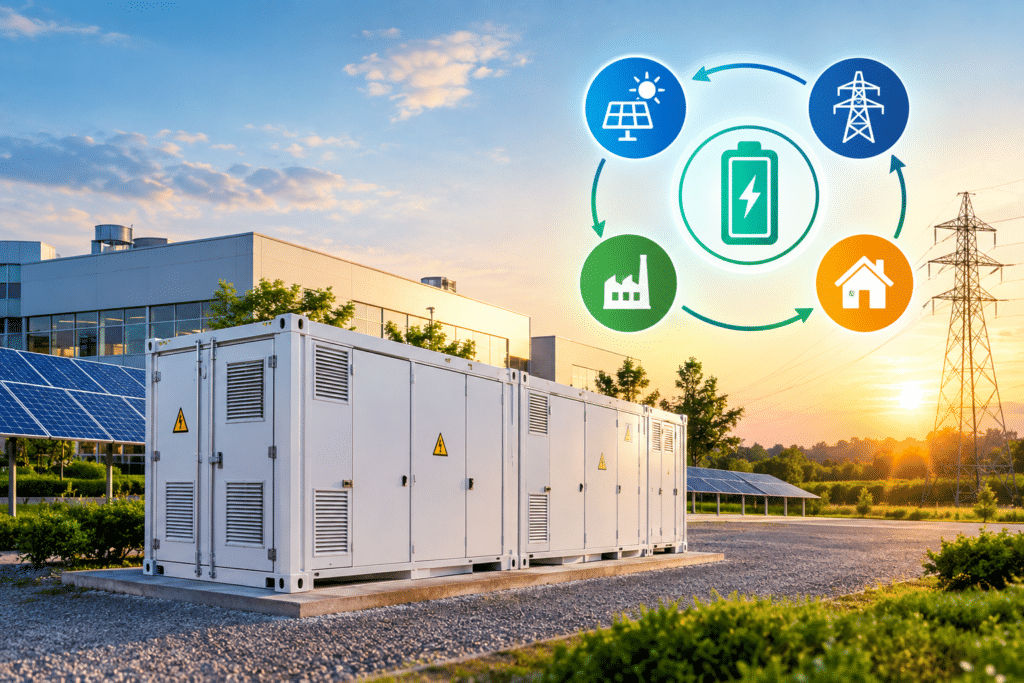
They might consider investing in future-ready technologies like integrated storage solutions. Battery options such as lithium-ion, often incorporated in modern solar setups, add to the initial cost but improve electricity autonomy and storage.
The ability to store generated solar electricity as kWh offers a buffer against peak-time electricity prices, making this investment not only a step towards sustainability but also a financially sound move that helps homeowners save for years.
Labor and Additional Installation Expenses
Beyond the tangible costs of equipment, labor and additional installation expenses play crucial roles in the overall financial commitment required for solar investments. Installation costs vary significantly based on factors like complexity, location, and specific requirements of the installation site.
Labor costs generally account for about 20 to 30% of the total investment, making it essential to understand their contribution to the final bill. These costs cover the expertise of certified installers required to ensure the system’s efficiency and compliance with safety standards when panels are fitted correctly.
Location can significantly influence labor expenses, with urban areas such as London experiencing higher rates due to increased operational costs and stringent building regulations. Conversely, installations in rural settings might incur lower expenses but could face logistical challenges, influencing the accessibility and transport costs. Geographic disparities in these costs are often compounded by the specific security measures required for certain neighborhoods, including more rigorous insurance or infrastructural adjustments related to the property’s characteristics.
Additional installation expenses encompass several modifications and adaptations necessary for optimal solar panel performance. Older properties may require structural reinforcement to support the weight of the panels, increasing initial outlays.
Similarly, angled or non-standard roof orientations might require specialized mounting hardware, adding to the overall expenditure. In some cases, the need for electrical system upgrades to accommodate the new solar panel system could further raise costs.
This could involve upgrading fuse boxes, wiring adjustments, or integrating a battery storage system, especially when intended to improve self-consumption rates and optimize energy efficiency, helping households save more kWh from their solar panels each year.
Potential extra costs also arise from obtaining necessary permits, which vary by local jurisdiction but commonly involve planning permission for specific installations. These administrative processes can incur additional fees and extend the timeframe of installation, although they are vital for ensuring compliance with local regulations.
Financial considerations might also include the purchase and installation of monitoring systems that track kWh electricity generation, as well as the potential cost of ongoing maintenance contracts to ensure long-term performance and reliability of the solar investment. Given these varied expenses, a thorough approach that includes consulting expert cost guides and comparing installation quotes is advisable for cost-effectiveness when you install solar panels.
Economic Savings with Solar Panels
Solar panels represent a significant investment for households aiming to harness renewable energy, promising substantial economic savings over time. By reducing energy bills and offering potential economic returns through schemes like tariffs and energy exports, these systems are worth considering.
Short-term savings start to accumulate after installation but are most impressive over the long-term, while location also affects these economic returns significantly. Understanding the tangible benefits through both immediate and extended financial lenses helps homeowners make informed decisions about integrating solar technologies into their energy plans and the ability to save for many years.
Short-Term Savings versus Long-Term Benefits
Investing in solar panels initially may seem daunting due to the upfront costs associated with purchasing and installing the system. However, this expenditure is counterbalanced by significant savings on energy bills, which become evident in the short-term.
Households often notice a decrease in monthly electricity costs immediately after their solar panel system is operational. This is primarily due to their capacity to generate their own power, reducing reliance on the grid.
With the Smart Export Guarantee (SEG) in place, homeowners have opportunities to earn through exporting excess solar electricity back to the grid, which adds an additional stream of economic value. While the SEG typically involves a modest tariff, it contributes a noteworthy element to the household’s energy economics, turning solar investment into an active financial asset that can save homeowners money over many years.
Over the long-term, the benefits of solar panels are markedly more pronounced. The savings on energy bills accrue over the lifespan of the panels, which generally extends over 25 years or more.
During this period, the electricity cost avoided by using self-generated power accumulates across thousands of kWh, producing the most substantial long-term benefits. Many find this gradual accumulation of savings eventually covers the initial outlay, resulting in potential for net-positive financial outcomes over many years.
Advancements in storage technologies, particularly with battery systems like lithium-ion, improve this long-term value by allowing greater energy independence. Storing excess power generated during daylight ensures minimal reliance on the grid during peak electricity pricing periods, further optimizing long-term cost savings and helping households save significantly on energy bills.
For some households, these battery systems also act as backups during power outages, offering additional peace of mind.
Financial instruments such as solar panel financing or leasing options further impact a solar investment’s economic viability. Transitioning to solar on a budget can be managed by taking advantage of finance options that spread costs over time without significantly impacting immediate cash flow.
Many UK households benefit from green loans that offer low interest rates specifically for sustainable investments, thereby widening access to solar technologies for a broader economic segment. Combined with government incentives, such as tax credits or rebates, these financial products can substantially reduce the economic barrier to entry and help more homeowners save on energy bills for years.
The economic benefits extend beyond direct savings. Solar panels often increase property values, providing another avenue of financial return.
Houses equipped with renewable energy sources are increasingly attractive on the real estate market, promising higher resale values. This aspect improves long-term economic benefits for homeowners considering future resale.
Potential buyers or current owners planning to transition to solar energy should calculate thorough financial projections. Carefully assessing the intersection of short-term savings, long-term benefits, and associated costs with finance solutions is crucial for meeting energy and financial goals effectively, ensuring solar panels are a worthwhile investment for diverse household needs for many years to come.
How Location Affects Economic Returns
Geographic location significantly influences the economic returns of solar panel installations. Variables such as solar irradiance, local climate conditions, and available incentives play key roles in determining the economic feasibility of solar investments.
For households in the UK, solar irradiance varies markedly across regions. Southern cities like London or Brighton typically experience higher sun exposure compared to northern suburbs such as Manchester or Glasgow, impacting the amount of kWh of electricity generated by solar panels each year.
This variation affects both the short-term financial outcomes and long-term savings on energy bills.
Beyond basic geographic considerations, local climate conditions also affect solar performance. Regions that experience more cloudy days may see reduced photovoltaic efficiency, impacting the number of kWh the panels can produce.
However, modern technological advances have made panels increasingly efficient, even under variable weather conditions. These variances still require a location-specific review when estimating economic returns, influencing both installation sizes and expected payback periods.
Online tools and assessments available through solar providers can assist in determining the most suitable configurations, balancing efficiency with likely output based on local solar potential.
Another integral factor is the locale’s policy environment. Different areas may offer varying subsidies or incentives to promote renewable energy adoption.
In the UK, the SEG compensates homeowners for exporting unused solar electricity back to the grid, and specific local government initiatives may provide additional financial support. These programs are crucial for maximizing economic returns, offering further incentives that can make solar panel systems more affordable and help households save on energy bills for years.
Discounted installation fees or rebate programs might be available in specific districts, decreasing the overall cost burden on the homeowner.
Location also impacts logistical costs related to solar panel installation. Urban areas often face higher labor and logistical expenses due to increased operational fees and stringent building codes compared to rural installations.
The accessibility of transportation routes, the complexity of installation terrains, such as different roof angles or types, and the density of local electrician networks can all vary across locations, influencing installation costs and timelines. Larger cities may present higher operational challenges and costs, which impact the upfront financial commitment despite potential savings over time as solar panels are fitted and generating power.
To optimize economic outcomes, potential investors should carefully evaluate site-specific data and engage with local experts to draft precise projections of both costs and estimated savings. Understanding how location affects each element of solar economics, including electricity generation capabilities in kWh, eligibility for local incentives, and variations in installation costs, ensures that households can make the most of solar technologies effectively. By aligning these aspects with thorough research and professional guidance, homeowners can maximize the economic viability of their solar investments, ensuring a beneficial energy transition that fits both environmental goals and financial capabilities for many years ahead.

Evaluating the Worth of Solar Panels
The decision to invest in solar panels involves examining both financial and environmental aspects. Solar panels are a renewable energy source that offer households significant electricity savings while contributing to sustainable energy use.
This evaluation considers the environmental and financial gains associated with solar panel systems and how they impact households. Such considerations are crucial when determining if solar panels are a viable choice for your home, taking into account electricity generation, installation specifics, and associated costs.
Understanding these factors helps in assessing the full value of solar panels and their role in achieving long-term energy goals, allowing homeowners to save for many years.
Environmental and Financial Gains
Solar panels provide households with substantial environmental and financial gains by reducing reliance on fossil fuels and lowering energy bills. From an environmental perspective, solar panels generate solar electricity without emitting greenhouse gases, making them a crucial component in combating climate change.
This clean energy source aligns with global efforts to reduce carbon footprints, particularly through decentralized electricity generation that reduces grid dependence. By harnessing the sun’s power, solar panel systems allow households to take part in an energy transition essential for sustainable development, contributing to the goal of achieving net-zero emissions.
Such systems are designed to optimize solar capture, which can vary based on panel orientation and roof incline, improving environmental gains through efficient operation.
On the financial side, solar panels are a reliable source of significant financial gains due to reduced electricity costs and potential for additional revenue streams. The initial investment in solar panels may be substantial, but the long-term savings offset this outlay across many years.
Households can expect a gradual decrease in monthly energy bills, as the system generates power independently. Over time, this translates to thousands of kWh in saved electricity costs, a considerable financial relief for many homeowners.
The Smart Export Guarantee (SEG) in the UK provides an opportunity to earn from returning surplus solar electricity to the grid. While the tariff rates might not completely offset initial costs, they offer an appreciable contribution to improving the panel system’s economic appeal.
Households can save more and improve their financial gains by integrating battery systems, allowing excess solar electricity to be stored rather than exported when tariffs are low, further leveraging their investment.
By investing in solar panels, homeowners reduce their ecological impact and gain financial benefits through reduced electricity dependency and participation in grid-oriented energy exchanges. As the price of solar technology continues to decrease over the years, the financial gains will potentially rise, making solar panels are an even more attractive option over time.
Investment in solar technology represents a step towards a greener, more sustainable future with tangible returns. Innovations in panel efficiency and decreased costs of ancillary technologies like inverters and battery storage improve both environmental and financial outcomes.
Solar panels present compelling dual benefits, making them a smart long-term investment both for individual households and the broader environmental good, helping families save on energy bills for many years.
Are Solar Panels a Viable Choice for Your Home?
Determining whether solar panels are a viable choice for your home involves a multi-faceted analysis ranging from economic feasibility, environmental considerations, to specific household characteristics. Residential solar panels offer an effective solution for decreasing energy bills, increasing energy independence, and contributing to environmental sustainability.
Their viability, however, depends significantly on household-specific factors such as roof orientation, geographic location, and energy consumption patterns. Homes where solar panels are fitted correctly with good southern exposure can save many thousands of kWh over the years.
The roof’s suitability is critical to effectively harness solar energy. Roof considerations include orientation, pitch, size, and shading from nearby structures or trees.
A south-facing roof usually provides optimal solar exposure in the UK, improving solar electricity generation efficiency. Similarly, roofs with minimal shading throughout the day maximize solar capture, raising the energy output in kWh and improving financial returns.
Investing in a professional solar assessment can precisely determine the roof’s potential, tailoring the solar panel array to best suit specific household needs.
Geographically, solar panels offer variances based on location due to differing levels of solar irradiance. Southern UK regions typically experience more consistent sunlight, benefitting solar system output.
Nevertheless, even areas with moderate sun exposure can see significant savings on energy bills due to decreasing solar technology costs and improving efficiencies. The feasibility increases with government incentives like the SEG, which rewards households for surplus solar electricity fed back to the grid.
Areas with higher grid electricity rates can see faster financial returns over the years, as self-generated power offsets substantial utility costs.
Evaluating energy consumption habits also determines the viability of going solar. Homes with higher electricity needs often see faster returns on solar investments, as the system offsets a significant portion of grid power use each year.
Added benefits include the integration of battery storage systems; these battery devices store excess production in kWh, allowing households to draw on stored power during periods of high electricity demand or low solar generation. Financial schemes and green loans facilitate solar adoption by spreading initial costs over time, making solar systems accessible to a wider range of households.
Solar panels also boost property value and align with broader ecological goals. Homes equipped with renewable energy solutions become more attractive to environmentally-conscious buyers and eligible for eco-certifications.
These environmental and financial incentives further reinforce the case for solar panels are a viable, rewarding choice that can save homeowners money for many years. Conducting a thorough analysis involving cost assessments, energy consumption patterns, and location-specific factors ensures that transitioning to solar power fits household objectives and environmental intentions, maximizing the investment’s overall success.
To further explore the potential of solar panels for your home, consider the following important factors:
- Evaluate any existing financial incentives available in your area for solar installations.
- Assess the potential for increased home value as a green property.
- Investigate the possibility of integrating solar battery storage to enhance energy reliability.
- Research local firms offering comprehensive solar assessments tailored to your home.
- Compare solar installation costs using different financing options to find the best fit.
- Analyze seasonal changes in sunlight exposure affecting potential energy production.
- Explore partnerships with local renewable energy initiatives for community benefits.
These points provide a practical framework to help determine the suitability of solar panels for individual households.
Investing in solar panels in the UK can be a beneficial long-term decision, both financially and environmentally. While the initial costs may seem steep, government incentives and decreasing technology prices can significantly improve affordability.
With the potential to save on energy bills and the added benefit of contributing to a sustainable future, solar panels present a viable solar energy solution for many homeowners across many years of operation. Conducting thorough research and evaluating individual energy needs will be essential in making an informed decision on their cost-effectiveness and suitability for your property.
Looking for a solar installer?
Compare MCS-certified solar panel installers across the UK in our directory, with ratings, reviews and free quotes, listed by county.
Related solar guides: