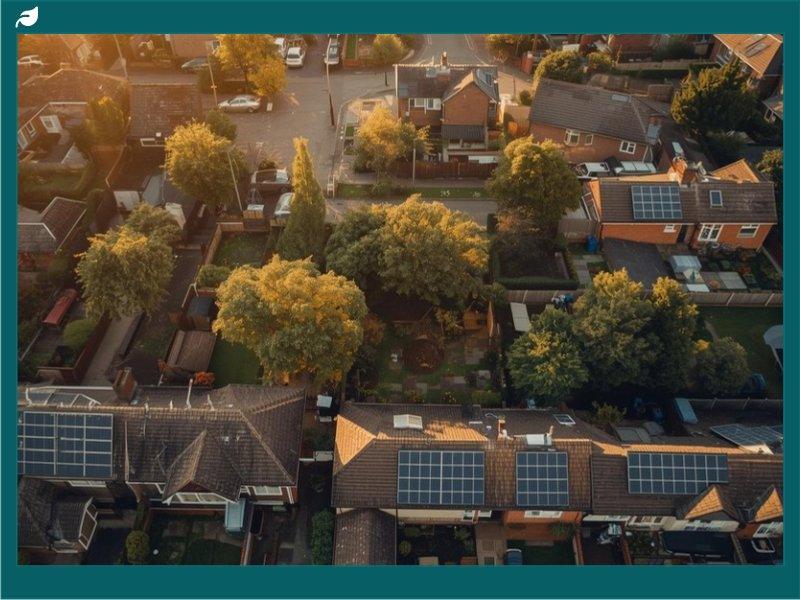
The UK government’s free solar panels scheme aims to bolster energy efficiency for households across the nation. This initiative targets reducing carbon footprints while alleviating energy costs for eligible residents.
Different criteria, such as income and property type, influence eligibility. Various local councils and energy providers collaborate to ensure widespread access.
Understanding who qualifies can unlock significant benefits, from cost savings to greener living. As the nation progresses towards sustainable energy, these government-supported schemes provide crucial support to households eager to embrace renewable energy solutions without upfront financial barriers.
Understanding the Free Solar Panels Government Scheme
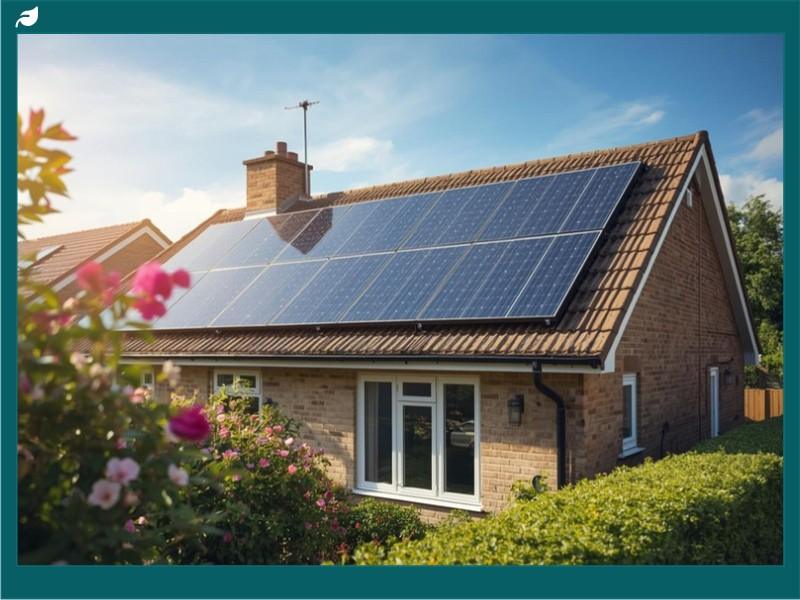
The Free Solar Panels Government Scheme offers a real opportunity for households in the UK seeking to reduce energy bills and improve efficiency. This initiative focuses on promoting sustainable energy through solar installations, providing substantial solar grants and funding for eligible homes.
Participants in this scheme can enjoy free energy saving improvements like free solar panels and insulation grants as part of a broader plan to create warm homes and reduce household energy expenses. This section looks at how the government scheme works and the benefits of participating, along with the potential for significant cost savings and energy efficiency improvements to your home.
How the Free Solar Panels Government Scheme Works
The mechanism behind the Free Solar Panels Government Scheme is rooted in government-backed funding and grants designed to support the installation of solar panels in eligible homes across the UK. The plan is part of a broader initiative aimed at promoting renewable energy while increasing energy efficiency and reducing heating bills within residential buildings.
The scheme typically involves a thorough assessment of household energy needs, followed by the provision of solar installations at no upfront cost to the homeowner. Energy companies, often mandated by the government, implement these solar systems, ensuring that the benefits of solar energy are accessible to more households, thus contributing to overall energy savings.
To qualify for the scheme, households generally need to meet specific criteria such as income thresholds or receiving certain benefits like the Personal Independence Payment (PIP). Nest can confirm eligibility, ensuring that applicants meet the required conditions to benefit from free solar panels.
Once eligibility is established, the process involves selecting suitable solar panels that fit the energy profile and specifications of the home over the coming months. This ensures that the solar installations are both efficient and effective, enabling the maximum use of solar energy resources within your home.
A critical component of the scheme is its focus on delivering free energy saving improvements beyond solar installations. This includes measures like loft insulation grants, wall insulation, and other energy-saving upgrades that reduce heating costs, comprehensively tackling household energy inefficiencies.
Through this combination of solar panels and insulation grants covering loft insulation and other upgrades, participants can experience substantial reductions in energy bills, contributing to more sustainable and warm homes. The initiative marks a significant step towards more sustainable living in the UK, aligned with the country’s broader environmental goals and commitment to reducing carbon emissions.
By embracing renewable energy through the government scheme, households can significantly diminish their reliance on traditional energy sources and lower their heating bills, reaping long-term financial and environmental benefits.
Benefits of Joining the Scheme
Joining the Free Solar Panels Government Scheme offers a range of advantages, primarily around financial savings and improved energy efficiency. One of the primary benefits is the substantial reduction in energy bills, as solar energy lessens the reliance on conventional electricity and heating systems, which can be considerably more expensive.
These free energy saving improvements made to your home not only drive down bills but also increase property value, making solar panel installations an attractive proposition for homeowners across the UK. Another significant benefit is the contribution to the environment.
By adopting solar energy, you reduce your carbon footprint significantly. Solar panels convert sunlight into electricity without emitting harmful pollutants, aligning with global efforts to combat climate change.
This move towards clean energy supports the creation of warm homes that are energy efficient and environmentally friendly, cutting both heating costs and carbon output. Such improvements contribute to national sustainability targets, reinforcing the UK’s commitment to transitioning towards a low-carbon economy.
Beyond financial and environmental advantages, participating in the scheme also improves energy independence. By generating your own electricity through solar panels, you become less susceptible to fluctuations in energy prices and supply disruptions.
This independence ensures a more stable and predictable energy future for your home. Many individuals worry that free solar panels are not available or that they come with hidden costs.
The government scheme is designed to ensure transparency, where solar panel grants cover the installation costs, providing clarity and assurance to the participants. By taking advantage of these opportunities, whether through direct funding, solar panel grants, or other types of support, households can experience significant savings on their bills without any initial financial burden.
The scheme also covers more than just the installation of panels; it involves continuous support and maintenance, ensuring that the solar panels operate effectively over the long term. This thorough approach, which can include insulation improvements such as plug-in energy monitoring and cavity wall insulation alongside solar panels, represents a significant step forward in making renewable energy universally accessible, driving more households towards embracing sustainable energy solutions.
Qualifying Criteria for Free Solar Panels
Understanding who qualifies for free solar panels under the UK government scheme is essential for tapping into the benefits of renewable energy. Eligibility largely depends on specific criteria such as household income and receipt of certain benefits.
Those looking to apply must have a clear grasp of the qualifying criteria and necessary documentation. By examining eligibility for solar panel grants and understanding the documents required for application, individuals can better position themselves to apply for free solar panel installations, contributing to energy efficiency and cost savings in their homes.
Eligibility for Panel Grants
Determining eligibility for panel grants under the UK’s free solar panels initiative involves several key factors. One of the primary considerations is household income, often set against an established threshold to ensure that aid goes to those who need it most.
Generally, families with lower income are prioritized within the scheme, making solar panel installations accessible to households that might otherwise struggle with upfront costs. Participation in specific welfare programs such as the Personal Independence Payment (PIP) can also play a crucial role in qualifying for solar panel grants.
These benefits are recognized markers that indicate financial need, further helping to guide the allocation of resources and grants under the scheme. Beyond financial factors, the eligibility criteria may extend to the condition and location of the home, including the state of existing insulation and heating systems.
Older houses with inefficient energy systems and poor insulation often receive priority as part of a broader mission to improve national energy efficiency. Eligibility can also depend on the specific region within the UK, reflecting the varying levels of governmental grants aimed at reducing regional energy consumption and emissions.
Companies performing the installations will typically conduct an assessment of your home to verify suitability for the installation process. Potential participants should be aware that even if they qualify financially, the technical suitability of the home is vital for safe and effective solar panel installations.
Free panels will then be installed, as long as the property meets the necessary conditions. The scheme also considers environmental impact forecasts, ensuring that installing free solar panels will lead to meaningful reductions in carbon emissions.
This focus aligns with the UK’s commitment to sustainable living and its transition to renewable energy solutions. By meeting these collectively stringent eligibility requirements, you are eligible to apply for grants that contribute to broader environmental goals while improving your household’s energy efficiency and reducing heating bills.
Documents Required for Application
The process of applying for free solar panels through the government scheme requires proper documentation to establish eligibility clearly. Aspiring beneficiaries must prepare a range of documents to capture their household income, benefit status, and home ownership.
These requirements typically include proof of income, such as recent pay slips or tax returns, to validate that the household income falls within the qualifying range for solar panel grants. An official letter or statement confirming receipt of benefits like the Personal Independence Payment (PIP) can also strengthen an applicant’s case, confirming their financial need and helping them apply successfully.
Another critical aspect of the application involves demonstrating homeownership or a tenant’s right with the landlord’s consent. This can include a title deed, recent mortgage statement, or a formal lease agreement accompanied by landlord permission, ensuring that applications comply with legal property requirements.
Verifying homeownership or tenancy rights is essential for the organizing company to proceed with the solar panel installations without legal impediments. Applicants should also consider providing utility bills to help illustrate current energy use, heating costs, and potential savings areas through improved energy efficiency and insulation.
This information is valuable in tailoring solar panel installations to best suit the home’s needs, optimizing energy saving improvements from the solar panel system. Failure to provide complete or correct documents can result in application delays or rejections.
Applicants must ensure all necessary papers are current and verifiable. For households seeking these free energy-saving solutions, carefully compiling this documentation is a vital step to a successful application.
The ultimate goal is to make it straightforward to apply, allowing more households to benefit from such sustainable energy advancements and access the grants available to them.
Exploring Solar Panel Grants in the UK
As the drive towards renewable energy gains momentum, understanding the availability of solar panel grants in the UK becomes crucial. These grants form part of a wider effort to improve home energy efficiency through free solar panels and other government-supported initiatives.
By examining solar grant schemes, residents can identify opportunities for cost-free solar panel installations, reduce energy bills, and contribute to sustainable living. This section outlines the primary solar panel grants available, offering insights into how UK residents can check their eligibility and successfully apply for these opportunities, improving their homes with eco-friendly upgrades including better insulation and heating systems.
Main Solar Grant Schemes Explained
The UK government has introduced various solar panel grants and schemes aimed at increasing accessibility to renewable energy solutions. These grants provide financial support for solar panel installations, allowing homeowners and tenants alike to benefit.
One such scheme is the Boiler Upgrade Scheme (BUS), which provides upfront grants toward low-carbon heating systems such as heat pumps for eligible homes. It encourages the adoption of renewable heating technologies, directly incentivizing the use of clean energy systems that reduce heating bills.
The Smart Export Guarantee (SEG) requires energy suppliers to pay small-scale energy producers for any excess energy exported back to the grid. This creates a financial incentive not only to install solar panels but also to optimize energy use within households.
The Great British Insulation Scheme and ECO4 are the current initiatives funding energy-saving home improvements including insulation. Delivered through energy suppliers, they remain an important source of support for eligible households.
Through these grants and support mechanisms, the government aims to reduce the carbon footprint while contributing to the UK’s broader energy efficiency objectives. Understanding how these schemes operate is crucial for unlocking the financial and environmental benefits they offer.
These programs often require specific criteria to be met, usually concerning home energy performance, insulation standards, and financial need. Participating in such schemes can lead to significant reductions in bills over time while improving property values through energy-efficient upgrades.
For households eligible under these main solar grant initiatives, the opportunity to integrate modern solar systems sets the stage for more sustainable living environments. These grants not only reduce the upfront costs associated with solar panel installations but also ensure these systems contribute meaningfully to domestic energy usage.
By using these financial support systems and grants, individuals can reduce their reliance on conventional energy sources and lower their heating bills, helping to drive down national carbon emissions. Keeping up with the changing range of solar panel grants allows homeowners to make informed decisions about their energy investments, supporting the transition to a sustainable future.
Key Points for Participating in the UK’s Solar Grant Schemes
- Ensure your property meets eligibility criteria, typically based on energy performance and financial need.
- Explore the Renewable Heat Incentive (RHI) to learn how it compensates renewable heating installations.
- Utilize the Smart Export Guarantee (SEG) for additional income streams through energy export.
- Stay updated on the Green Homes Grant to maximize funding for home energy improvements.
- Be mindful of scheme revisions to take advantage of improved incentives and conditions.
- Calculate potential cost savings to assess long-term financial benefits of integrating solar systems.
- Evaluate the impact of these grants on property values and market demand.
Engaging with these schemes allows you to make environmentally and economically sound energy choices.
Steps to Check Your Eligibility
Determining your eligibility for solar panel grants involves a series of steps designed to ensure that resources are appropriately allocated to those who need them most. The first step is to understand the specific eligibility criteria set by each solar grant scheme.
These criteria often include assessments of household income levels, receipt of specified benefits, the state of existing insulation and heating systems, and the energy efficiency status of the home. Households on lower incomes or those claiming benefits such as the Universal Credit or Disability Living Allowance are typically prioritized for grant access, as are homes with outdated heating systems or insufficient insulation that align with government efficiency targets.
Once potential eligibility is established, the next step involves gathering the necessary documentation to apply. This includes proof of benefits, recent utility bills, and, if applicable, permission from landlords if the applicant is a tenant.
Documents verifying income, like tax returns or wage slips, are also essential, as they substantiate the applicant’s financial status relative to grant requirements. Ensuring that this documentation is complete and accurate will facilitate a smoother application process, reducing the chances of delay or rejection when you apply for solar panel grants.
Applicants are encouraged to use online eligibility checkers provided by various government or grant-administrating bodies. These tools offer preliminary assessments that help applicants understand their likelihood of qualifying for grants.
Engaging with local energy advisors or consulting with councils can provide additional insights and assistance throughout the application journey. Applicants should stay informed about any changes to grant terms or criteria, as the policy environment for renewable energy funding can shift in response to legislative updates or economic circumstances.
By keeping up-to-date knowledge of available schemes and the steps to apply, applicants have a better chance of successfully securing funding for solar panels and insulation improvements. This supports not only personal financial savings and home efficiency improvements but also broader national efforts towards sustainable energy consumption.
Alternative Options for Solar Energy Funding
While the Free Solar Panels Government Scheme offers significant benefits, alternative options for solar energy funding exist to support those who may not qualify or prefer different approaches. Cheap loans are one such alternative that provides financial assistance for solar panel installations. This section examines how these loans can make solar technology more accessible, offering a practical plan for individuals and families eager to embrace renewable energy solutions without relying solely on government grants.
Using Cheap Loans for Solar Installations
As interest in renewable energy continues to grow, cheap loans are emerging as a practical component of solar energy funding. These financial products provide a workable solution for those who may not qualify for free solar panels through government schemes or where grants availability is limited.
Offering competitive interest rates and flexible repayment plans, cheap loans can make solar panel installations accessible to a broader audience. By enabling homeowners to spread the cost over several years, these loans reduce the financial burden often associated with upfront solar system expenses and heating upgrade costs.
Many financial institutions and solar companies offer tailored solar loan programs designed to cater to varying customer needs and financial situations. These programs typically start with an assessment of the homeowner’s energy requirements and financial capacity, ensuring that the proposed plan aligns with personal and environmental goals.
For those concerned about energy bills, cheap loans provide an immediate avenue to reduce long-term electricity bills by harnessing the potential of solar panels combined with better insulation throughout the home. Cheap loans for solar panel installations often come with added perks such as no prepayment penalties, meaning homeowners can pay off their loans earlier than scheduled without additional fees.
This flexibility aligns with the goal of maximizing savings on bills while supporting a smooth transition to solar energy. It also introduces a cost-effective path that allows homeowners to invest in the latest solar technologies, ensuring efficient and robust systems are in place.
The availability of cheap loans also stimulates market competition, encouraging more solar companies to offer innovative and customer-friendly financing solutions. Some companies integrate these loans into package deals that include consultation, installation, and maintenance services covering solar panels and insulation improvements.
This joined-up approach not only simplifies the transition to solar energy but also ensures long-term system efficiency and performance. In adopting cheap loans for solar funding, households effectively support broader efforts to improve national energy independence and sustainability.
By using loans alongside available grants, families can actively participate in the UK’s commitment to reducing carbon emissions and lowering heating bills, driving down overall reliance on non-renewable energy sources. This funding alternative empowers individuals to embrace clean energy and contributes to a more sustainable future for all.
Understanding eligibility for free solar panels in the UK can significantly decrease household energy bills while promoting sustainability. Homeowners on specific benefits or residing in certain local authority areas may qualify, allowing broader access to renewable energy solutions and insulation grants.
Taking advantage of these schemes not only supports environmental goals but also secures financial savings in the long term. As government initiatives evolve, staying informed about qualification criteria is essential for those looking to apply and improve your home’s energy efficiency through free solar panel installation.
Looking for a solar installer?
Compare MCS-certified solar panel installers across the UK in our directory, with ratings, reviews and free quotes, listed by county.
Related solar guides: